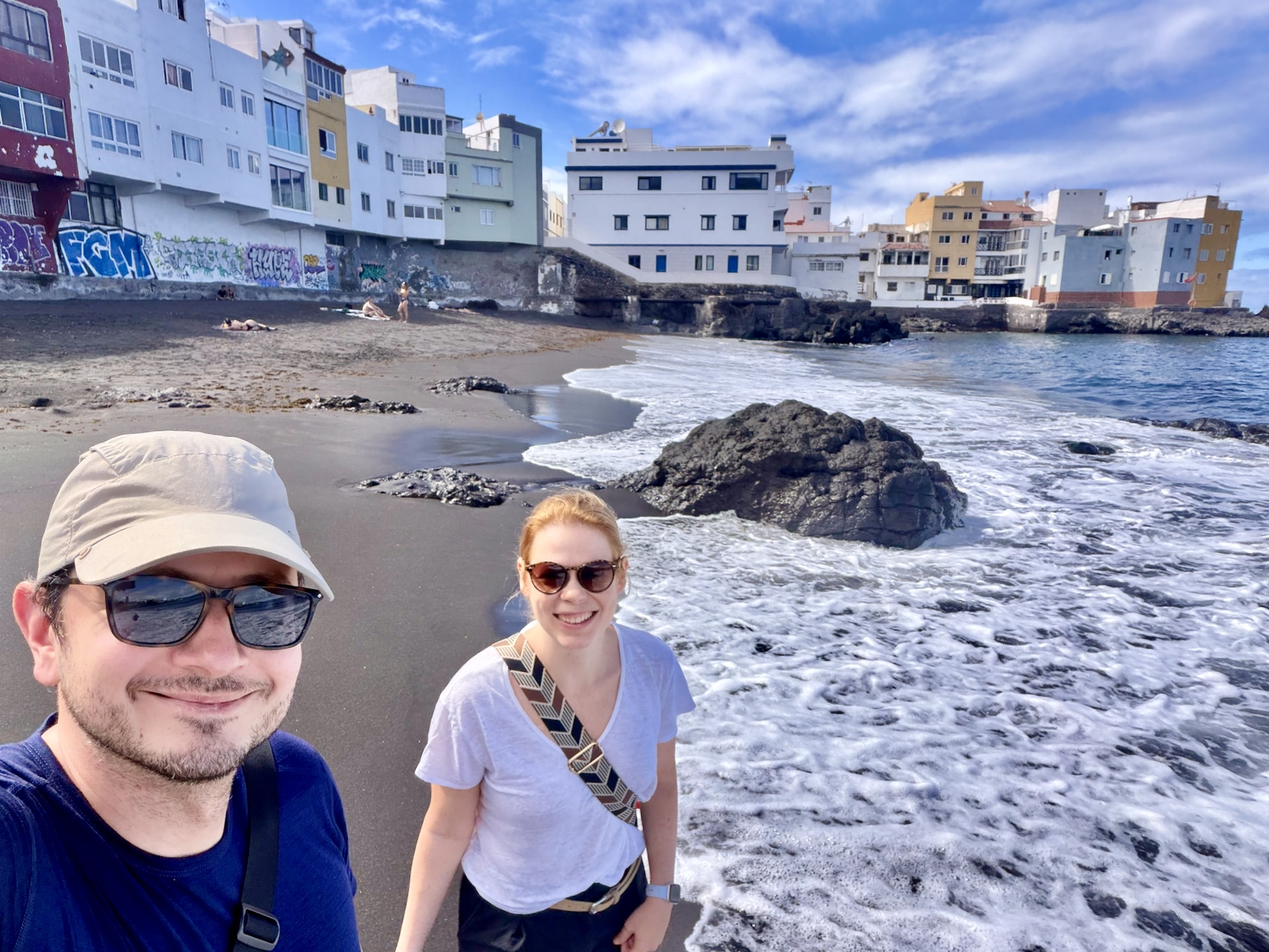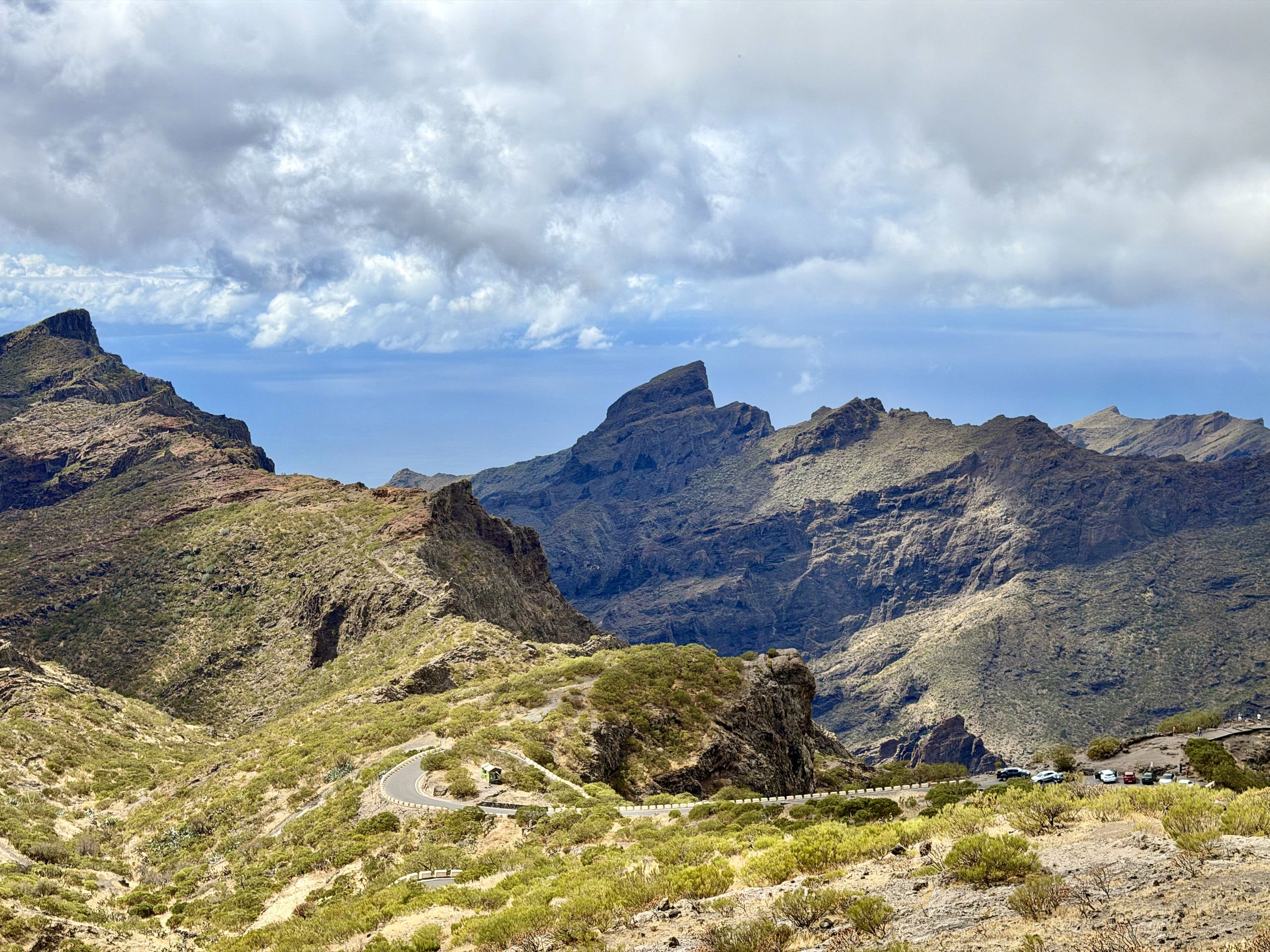
We arrived in Tenerife with a plan for every day. Teide went exactly to plan. Almost nothing else did. On the third morning it rained, so that day’s plan moved to the other end of the island. Our “easy day” turned into one of the longest of the week. The middle four days all ended up on different days, in a different order, or not at all.
This is the week we actually had: eight days, one base on the north coast, a rental car, and a lot of time spent looking for parking. For each day you’ll find where we went, how long things really took, and a link to our detailed guide for that part of the island. At the end there’s what we’d change, what we didn’t get to, and what the whole week cost us, down to the last euro.
The short version:
- Base: La Quinta, a quiet residential area in Santa Úrsula on the north coast, 10 minutes from Puerto de la Cruz. One apartment for seven nights, no moving around.
- Transport: a rental car for the whole week, plus one bus ride.
- The week: Puerto de la Cruz, the north-west (Garachico, Punta de Teno, the Masca road), the Anaga mountains, a banana plantation and El Bollullo beach, the south-east (Candelaria, Montaña Roja) with La Orotava on the way back, the Teide summit, and a last loop via the west coast to the airport.
- Cost: €1,661 (~$1,860 USD) for the two of us, excluding flights. That’s €104 (~$116 USD) per person per day.
- The three lessons: book the Teide permit early, let the weather decide the order of your days, and expect everything to take longer than you planned. Parking alone ate a good part of several days.
- The best day, for me: Punta de Teno, the island’s western tip, by bus.
Our Tenerife Itinerary at a Glance
| Day | What we did | Our guide |
|---|---|---|
| 1 | Landed at Tenerife South, picked up the car, drove north to La Quinta | Where to stay in Tenerife → |
| 2 | Puerto de la Cruz: Botanical Garden, Punta Brava, Playa Jardín. Sunset at Mirador de la Quinta | Puerto de la Cruz → |
| 3 | Rain, so the north-west instead: Garachico, the bus to Punta de Teno, the Masca road, the Icod dragon tree | Punta de Teno → |
| 4 | Anaga: Roque de las Bodegas, the Benijo loop hike, Las Teresitas | Anaga Rural Park → |
| 5 | Banana plantation tour, El Bollullo beach, dinner at a guachinche | Banana plantation and El Bollullo → |
| 6 | Candelaria, the Montaña Roja hike, La Orotava | Montaña Roja and Candelaria → |
| 7 | Teide summit by cable car and permit, lunch in Aguamansa | Teide permit → |
| 8 | Puerto de la Cruz old town, Mirador de Cherfe, Costa Adeje, flight home | Puerto de la Cruz → |
Where We Stayed: One Base in the North
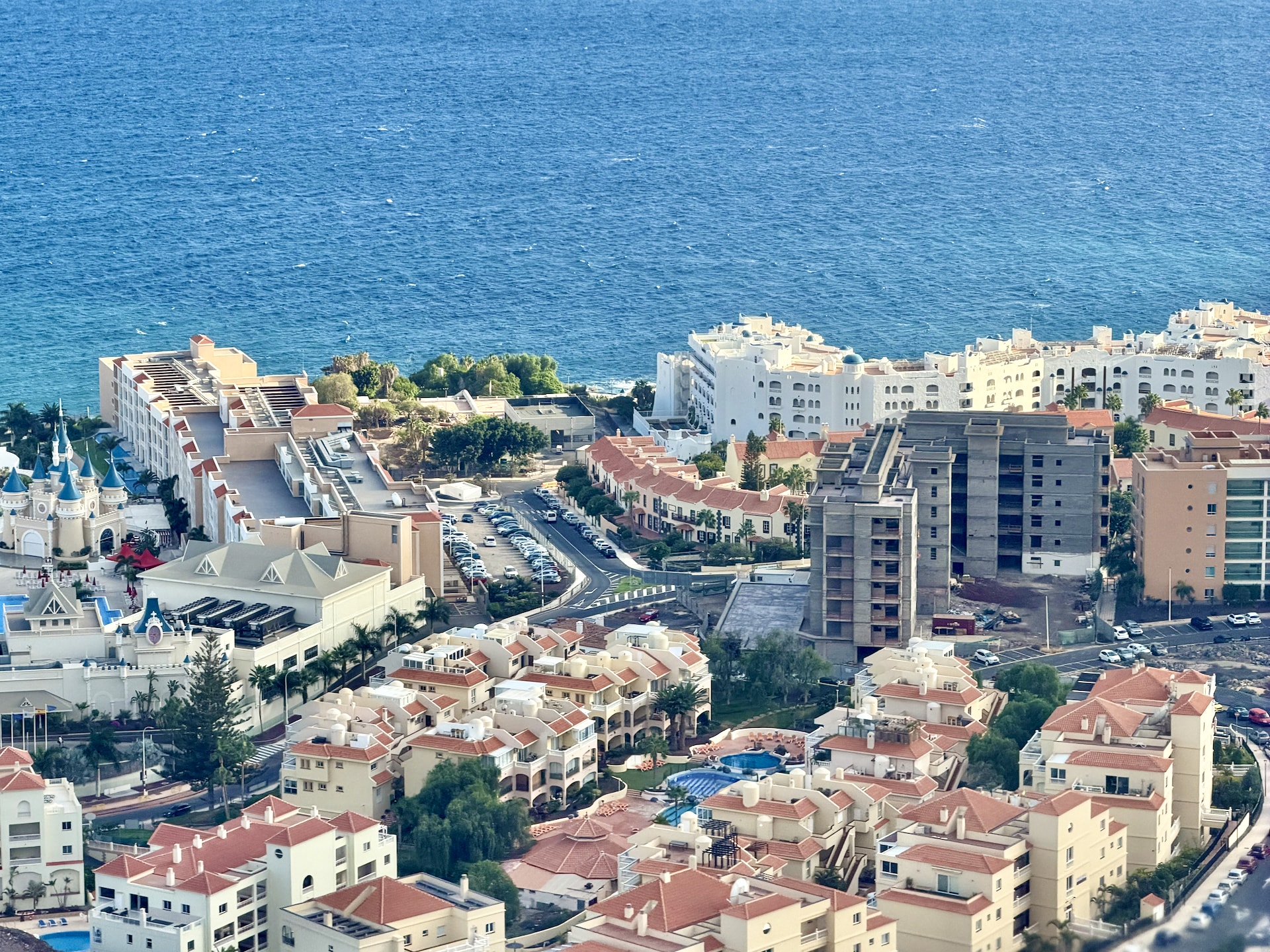
We booked one apartment for the whole week, in La Quinta, part of the municipality of Santa Úrsula. Everything we wanted to do pointed north, from the hiking to Teide, and with a car we didn’t need to stay in Puerto de la Cruz itself. La Quinta is quieter and cheaper, and the town is 10 minutes away.
Tenerife is small enough that one base works. From La Quinta, Garachico was about 40 minutes, the Teide cable car a little over an hour, and the south airport about an hour on the motorway. Moving hotels halfway through would have cost us more time than it saved.
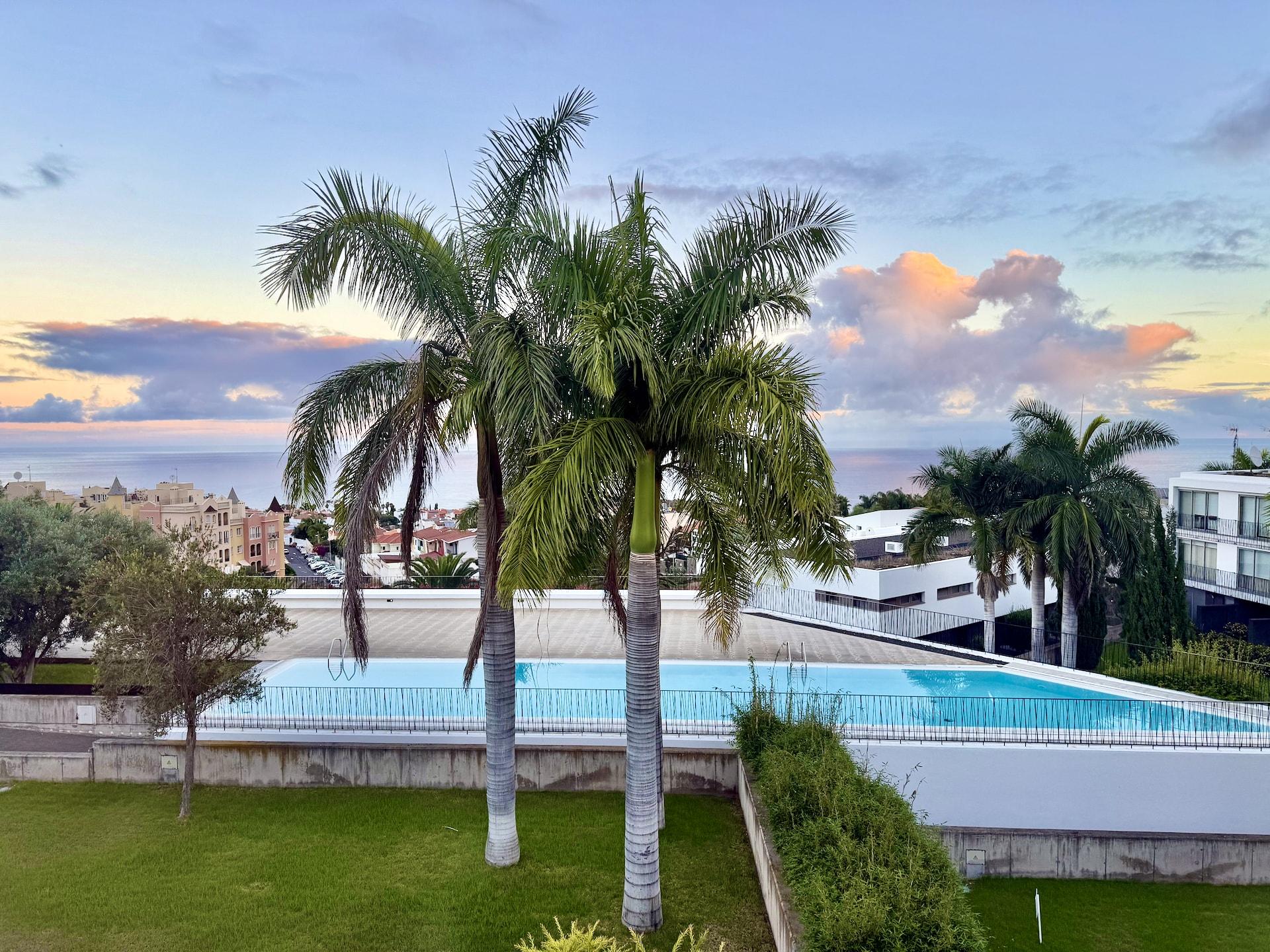
The apartment itself was the best surprise of the arrival: big, nicely renovated, looking out over a pool with the sea behind it, and Teide on the other side, visible from the pool and, if you squint, from the bedroom window. There were sun loungers, a parasol and even beach towels. We compared the two halves of the island, and why we picked this one, in north or south Tenerife: where to stay.
One Week in Tenerife, Day by Day
Day 1: Arrival and the drive north
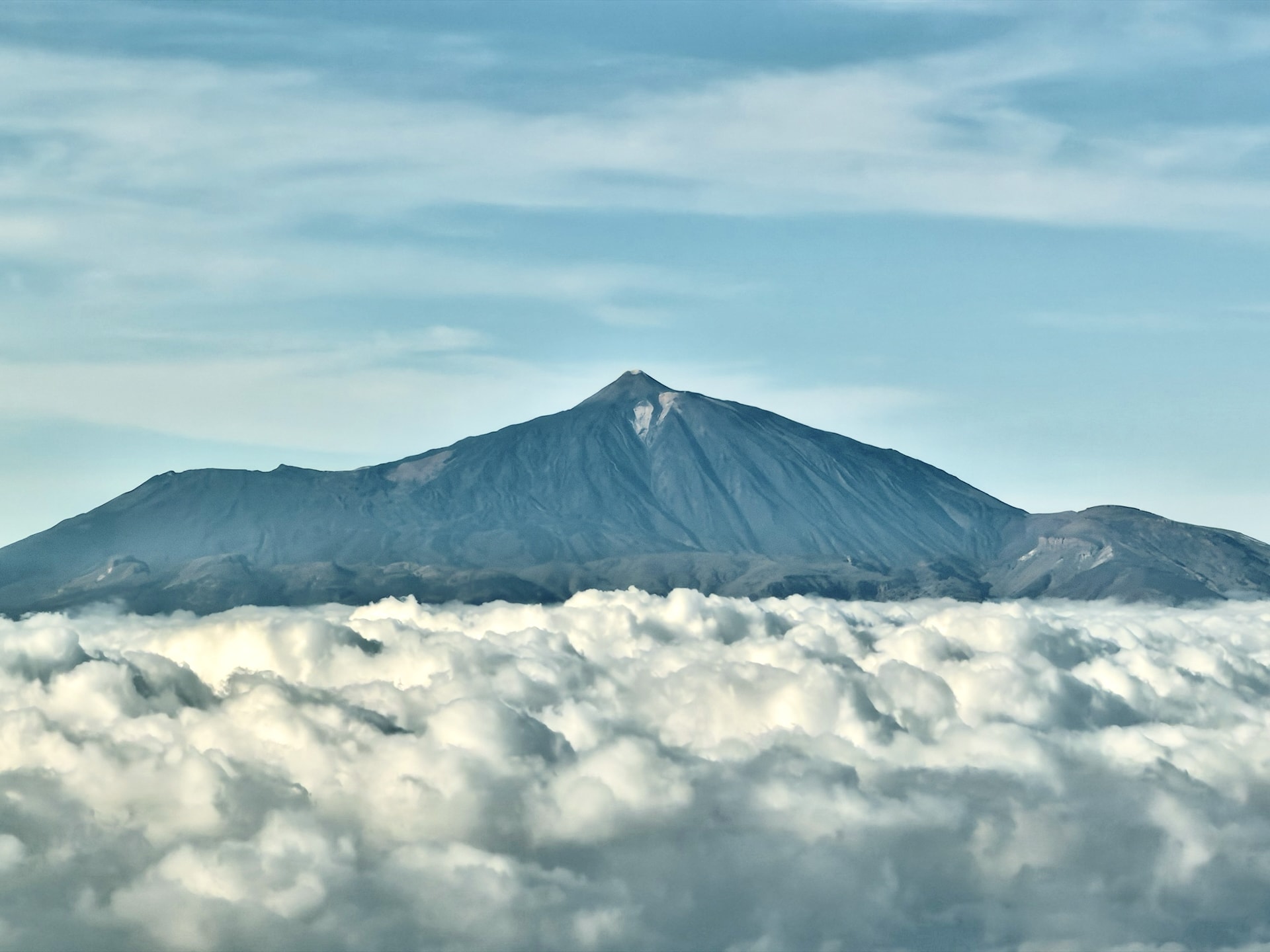
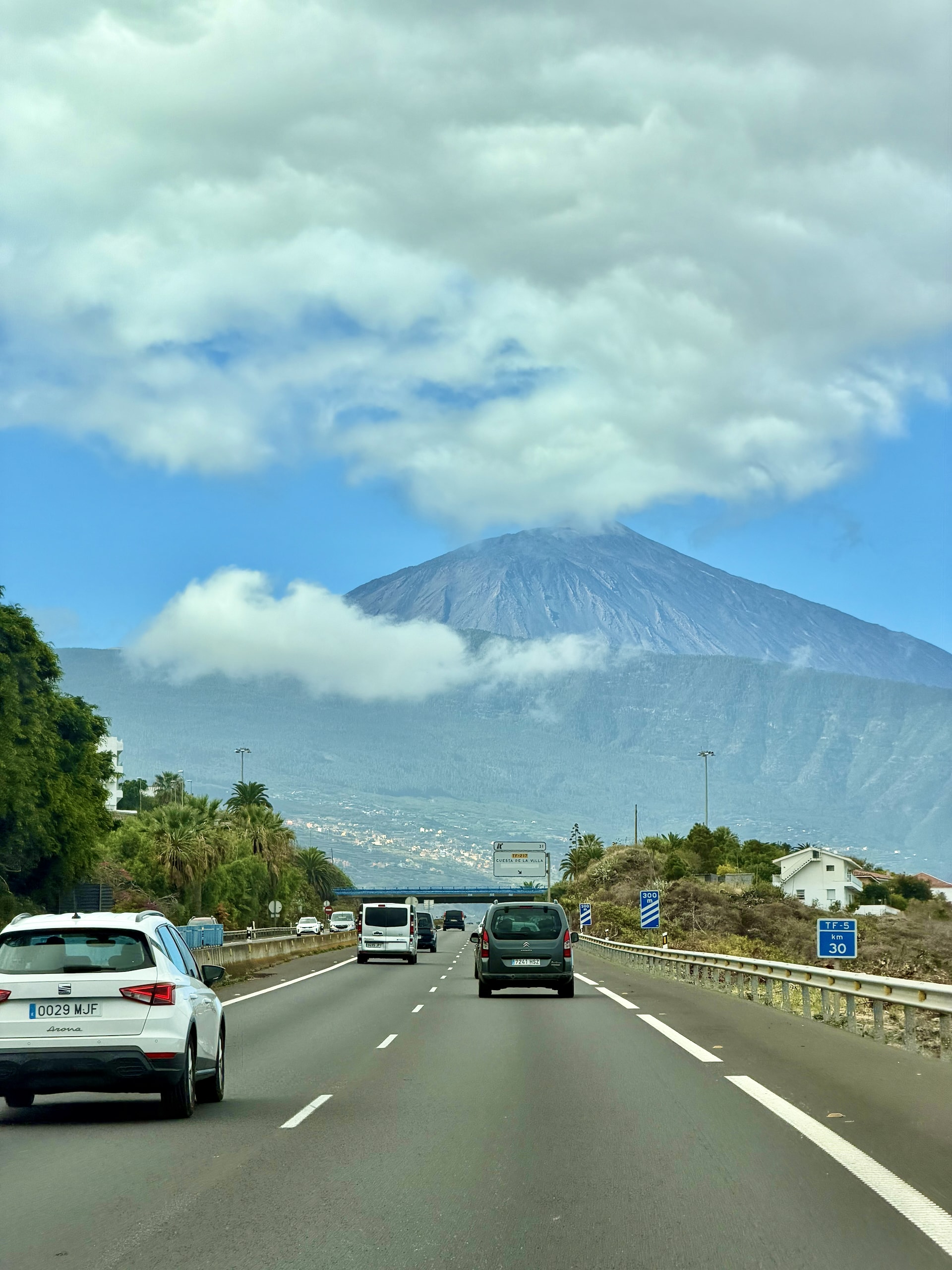
We landed at Tenerife South just before six in the evening. Sit on the right-hand side of the plane if you can: we could see the other Canary Islands on the way in, and Teide at the end, before it disappeared into cloud. We picked up our car from Cicar, a local Canarian company, and got a rather large Alfa Romeo for those narrow northern roads. The drive north took about an hour on the TF-1, TF-2 and TF-5 motorways, and the island’s split showed straight away: reddish rock and scrub in the south, green in the north. The nearest restaurant was already closed, so dinner came from a small shop.
Day 2: Puerto de la Cruz
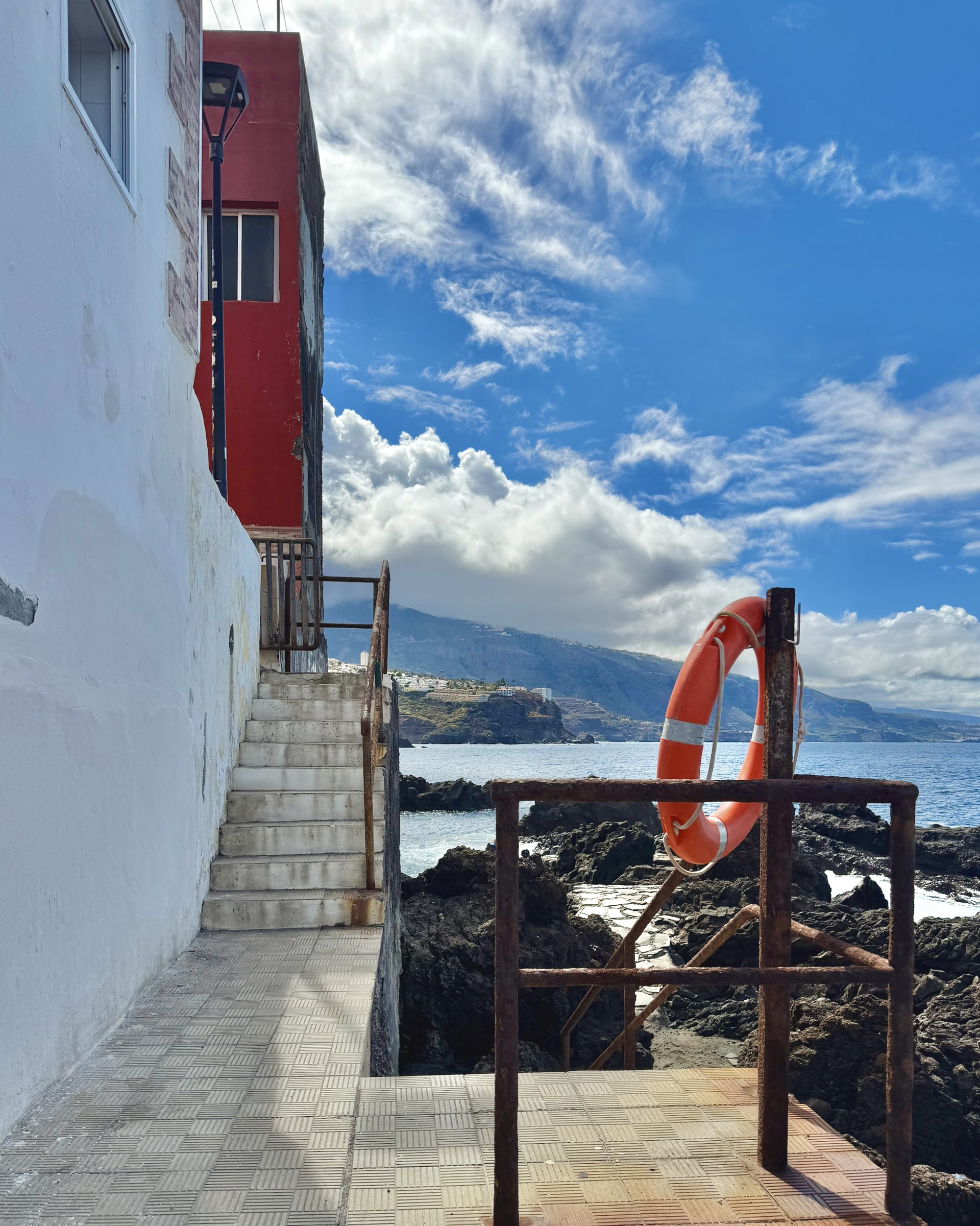
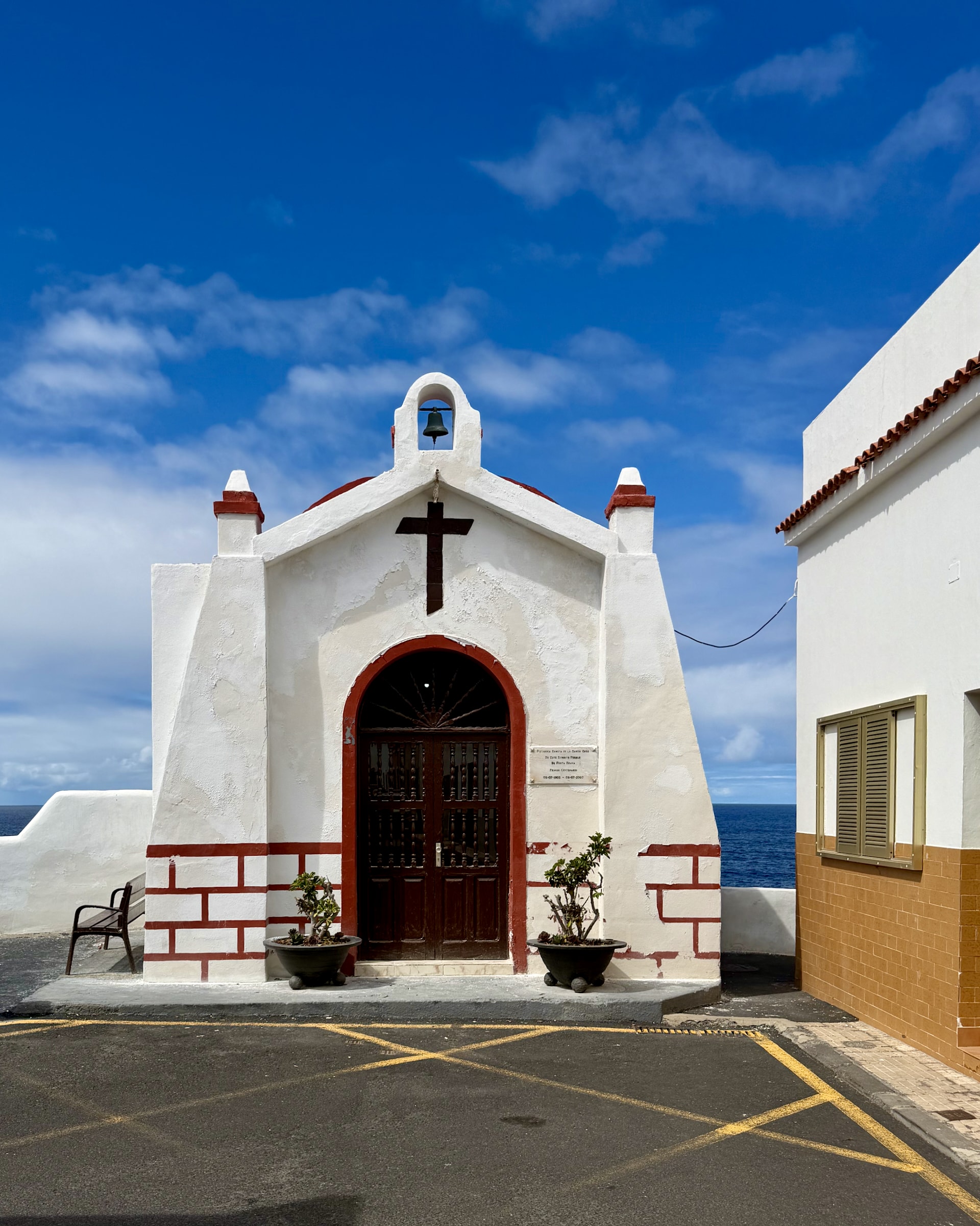
October 12 is Spain’s national holiday, so we stayed close. The Botanical Garden, €3 (~$3.4 USD) and an hour and a half, was better than I expect any botanical garden to be. Then the plan fell apart: the road to the seafront car park was closed and the old town was gridlocked. We paid €7 (~$7.8 USD) at the Loro Parque car park instead, wandered among Punta Brava’s fishermen and colorful houses, and walked the black sand beaches to Playa Jardín. That coast turned out to be the best part of town. At sunset we joined the locals at Mirador de la Quinta, who drive up with folding chairs and sunflower seeds. I was thoroughly sunburned, because I’d left the sunscreen at home. More in our Puerto de la Cruz guide and our black sand beaches guide.
Day 3: Rain, so the north-west instead
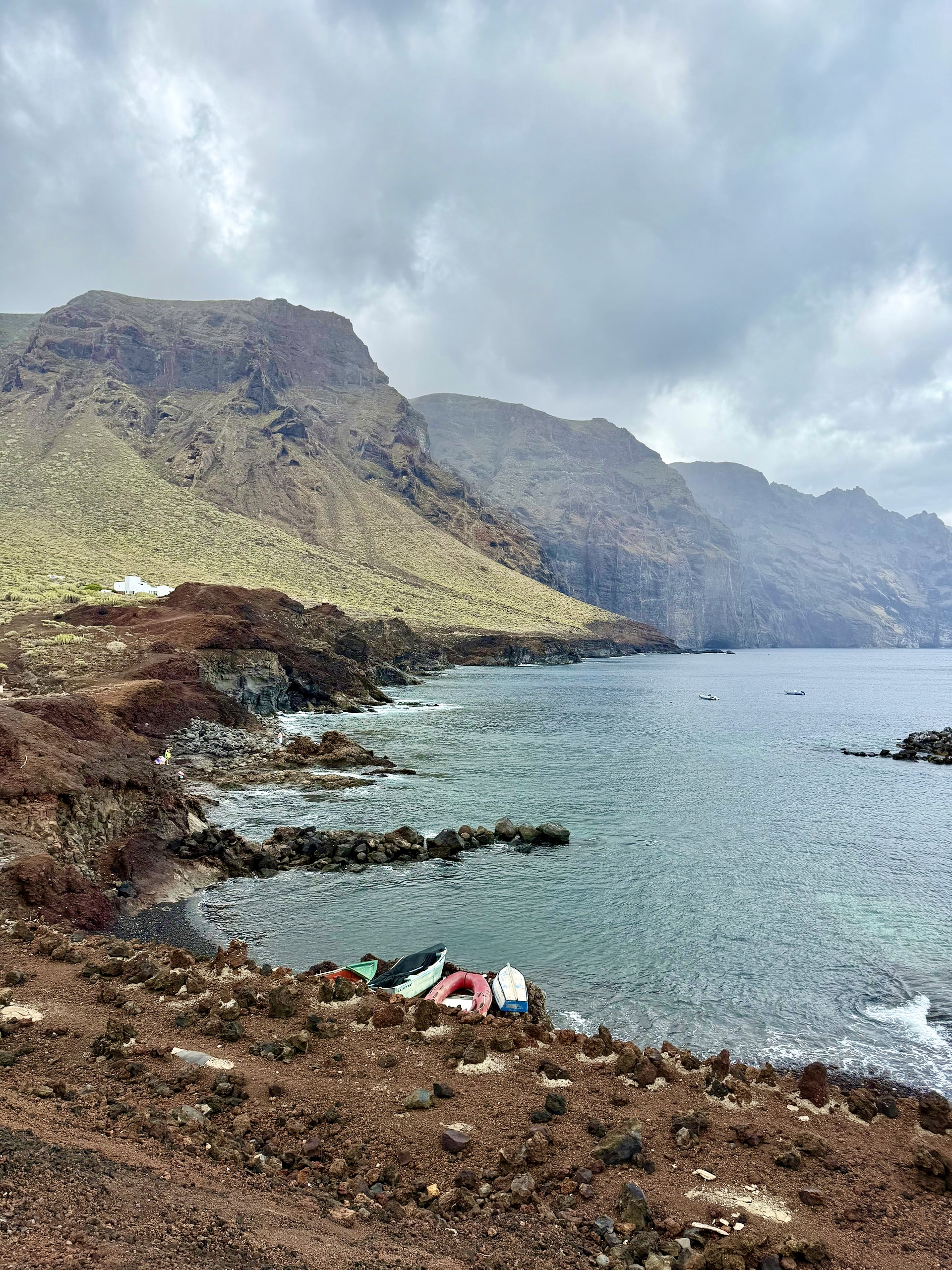
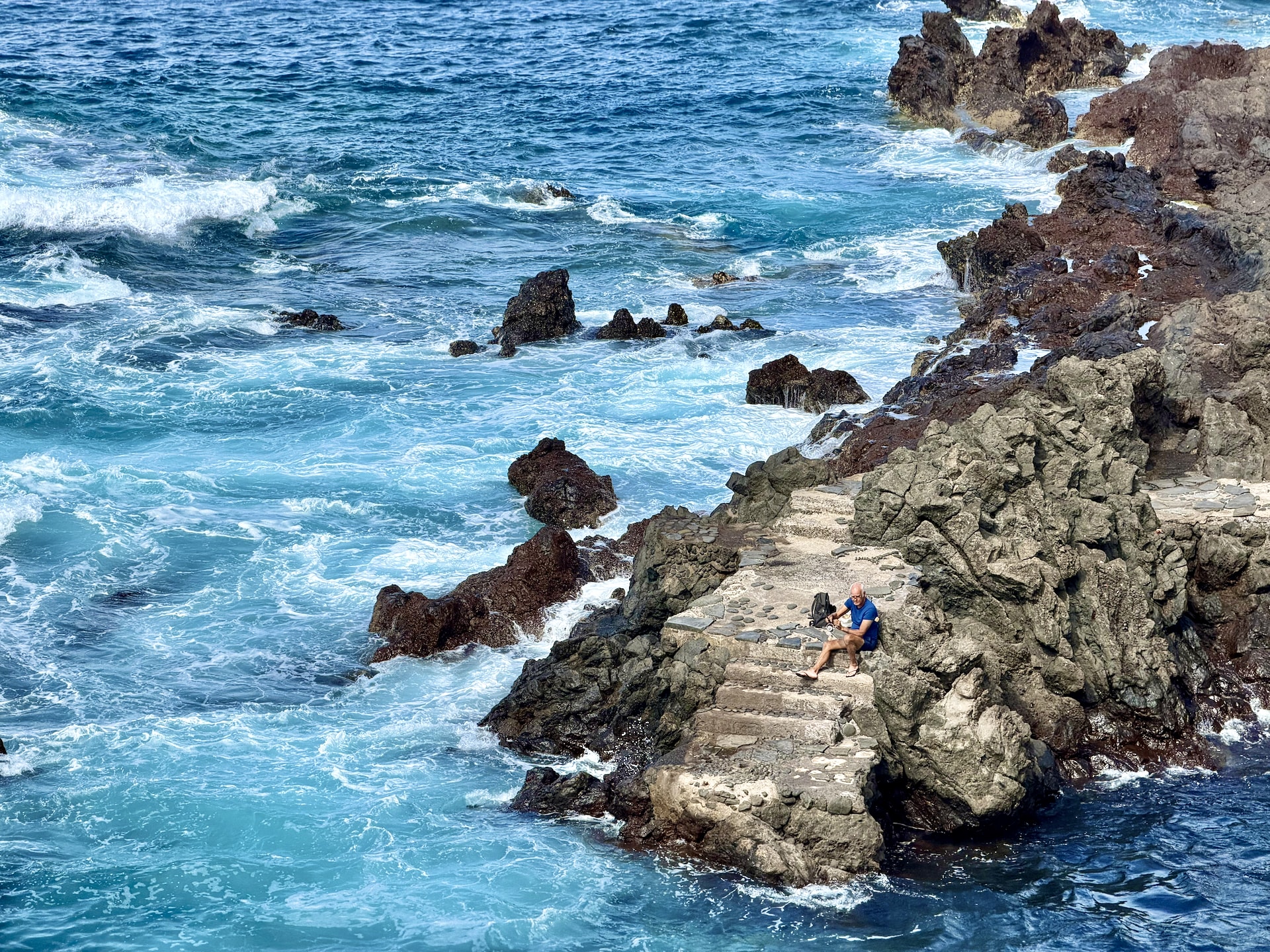
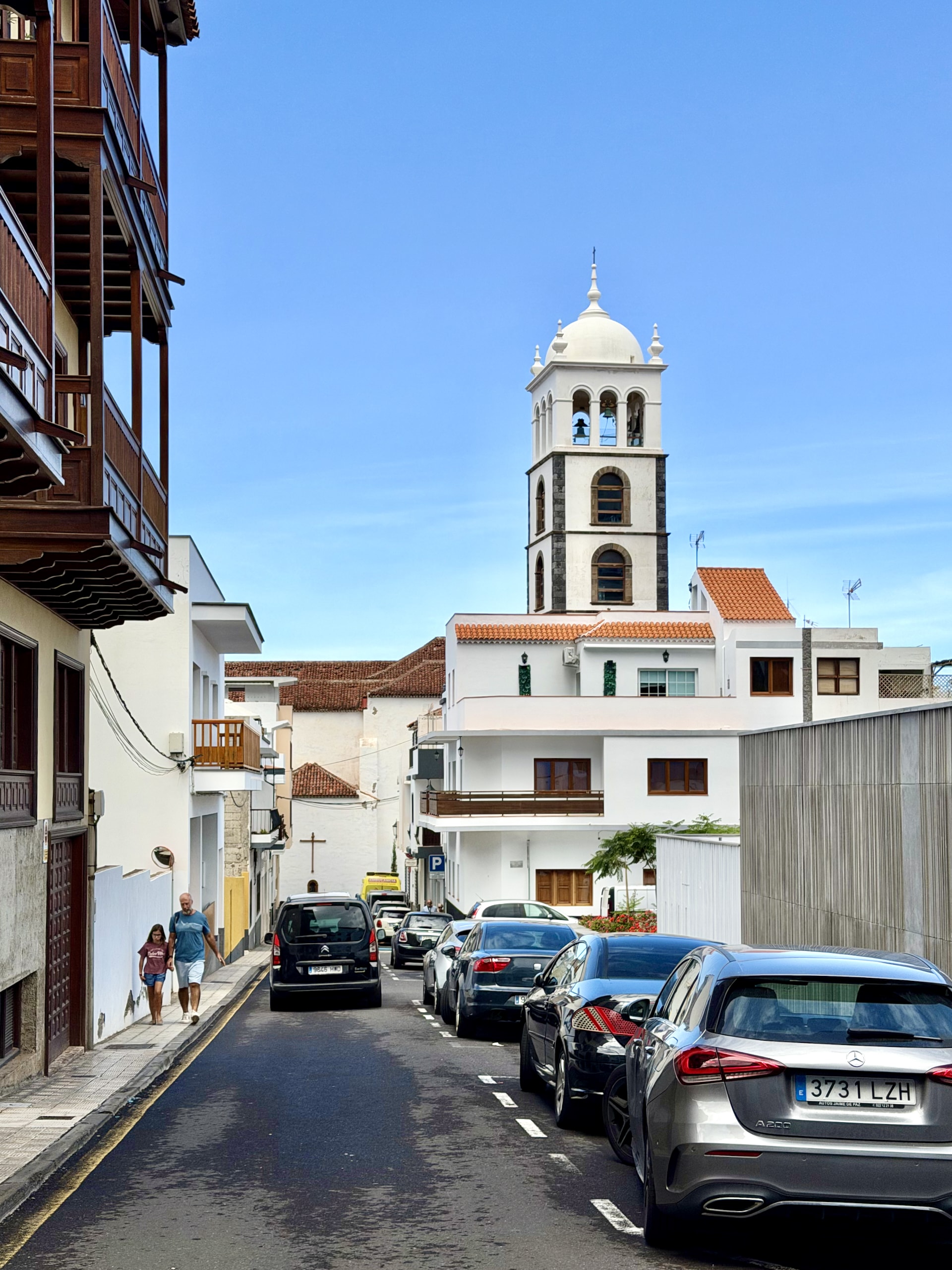
The plan said Anaga. With rain over the mountains, we went west instead. In Garachico we saw the natural lava pools in drizzle and had a long lunch at Candelaria La Cocinera, which only takes cash. From Buenavista del Norte, bus 369 (€1 each way) runs to Punta de Teno, the island’s western tip, because private cars aren’t allowed on the road. Black rock, crabs, a closed lighthouse and a very dramatic coastline. Teide was great too, but for me, this is the one that hit hardest all week. By the time we were back it was almost five. We drove up the Masca road into cloud and rain, turned back, and stopped in Icod to see the dragon tree for free from the church square. Nice tree. Old tree. Big tree. Tree. Full story in our Punta de Teno guide.
Plan one big thing per day in Tenerife, two at most. The drives between places are short. It’s everything at the other end that takes time: finding parking, the walk from the car, and lunch. Our north-west day had four stops on paper and only had time for two and a half.
Day 4: Anaga
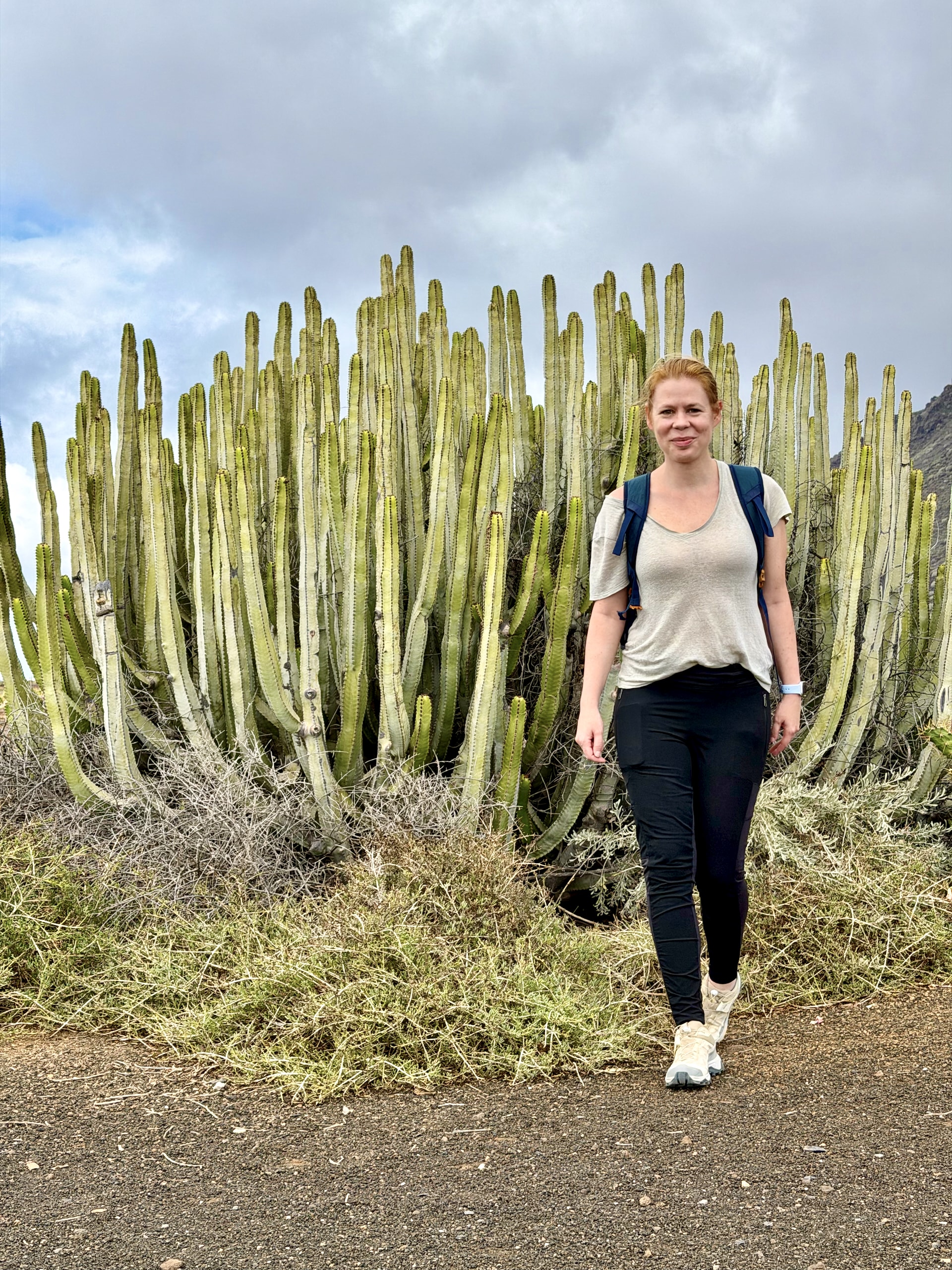
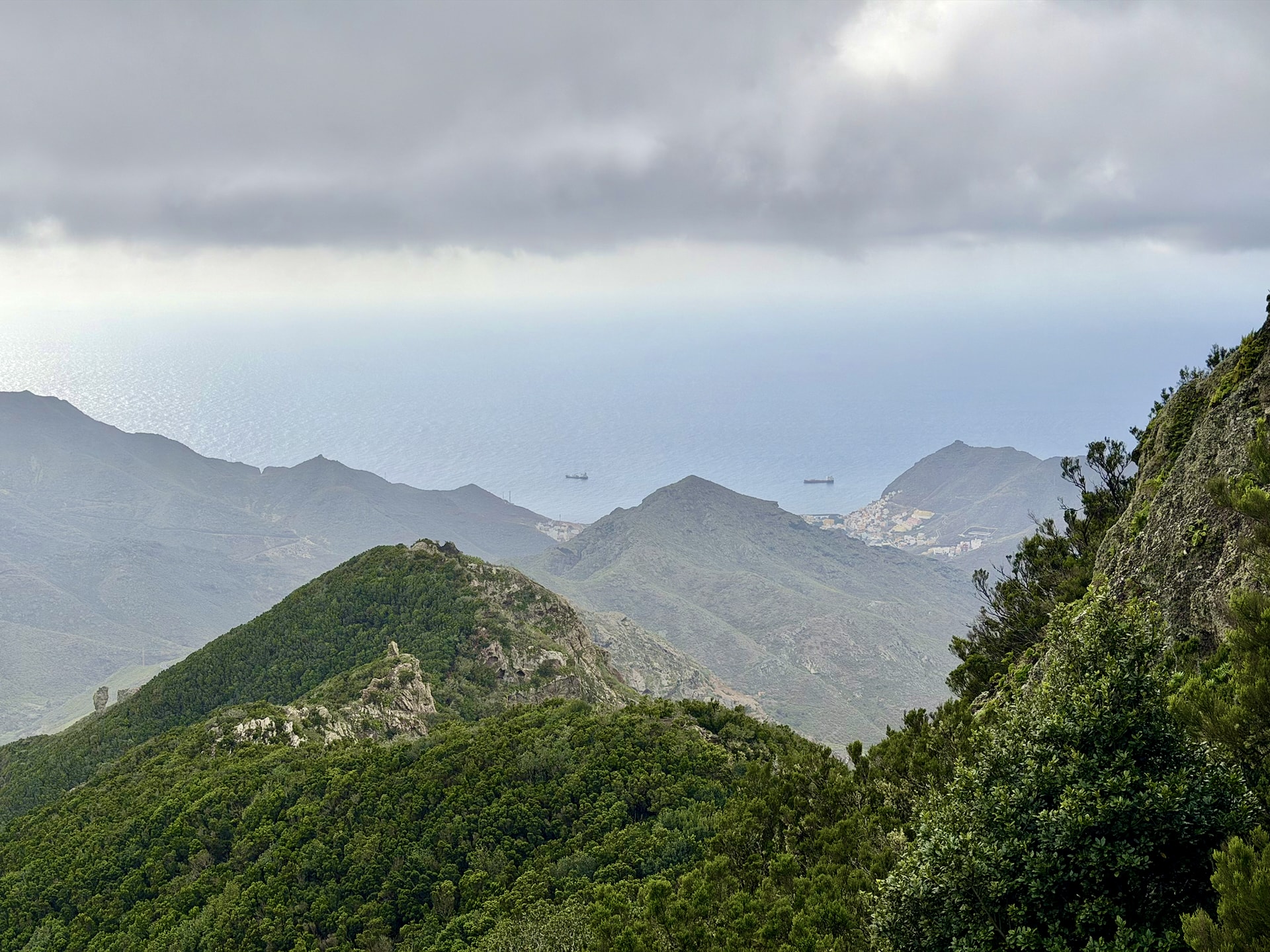
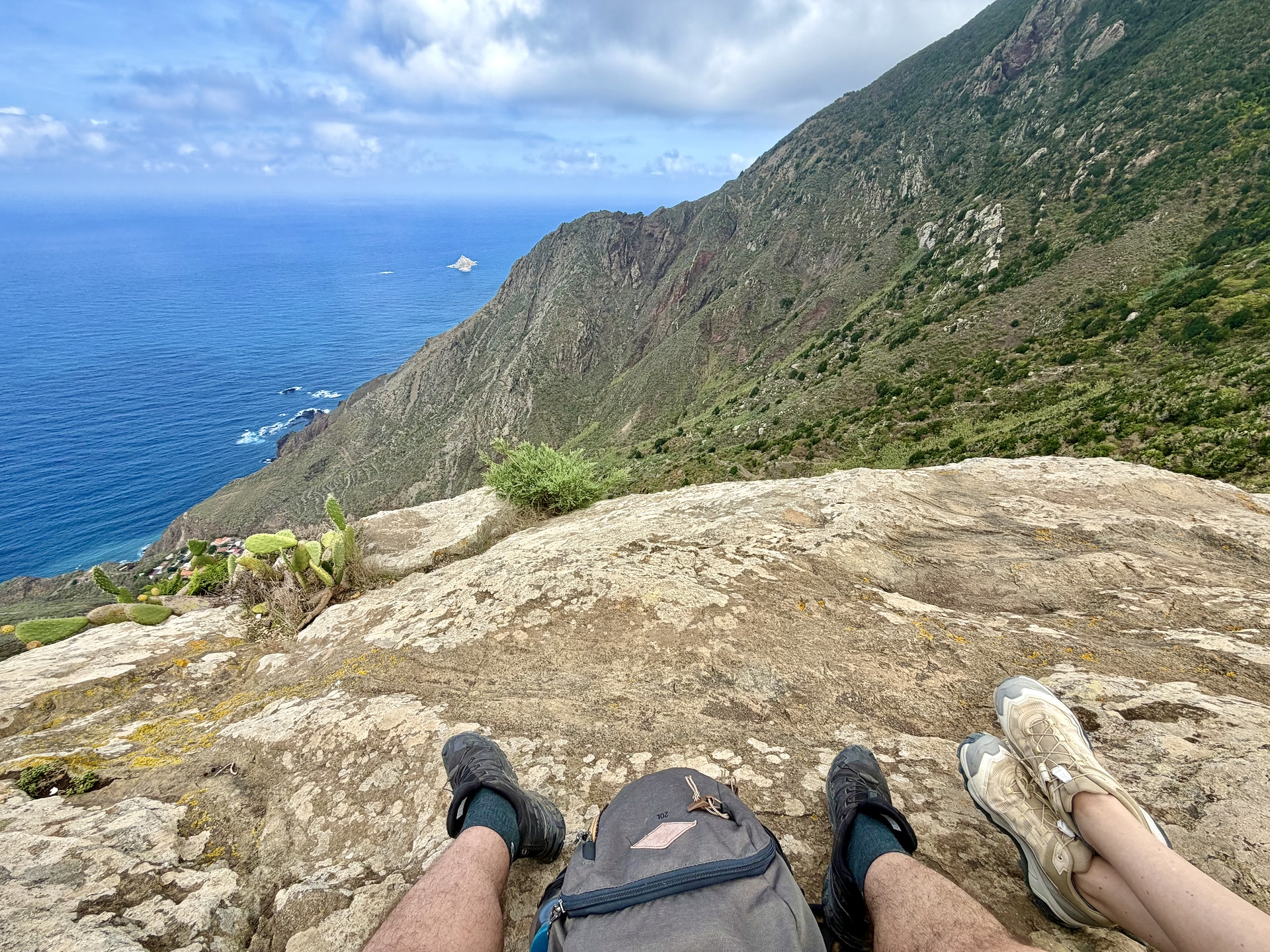
The morning cleared, so we headed north-east. Motorway traffic got us to Anaga around 10:30, and the ridge road was inside the clouds: viewpoint after viewpoint with nothing to see. So we went down to the coast, which is what I’d tell anyone who finds the ridge socked in. Roque de las Bodegas was the better of the two beaches on that road. After ten minutes’ wait while a small digger cleared a rockfall, we walked the PR-TF 6.3 loop from Benijo: great coastal views, lizards everywhere, and 3 hours 20 minutes against the 2 to 3 on paper. We ended with ten minutes at Las Teresitas, the golden man-made beach near Santa Cruz, where the LNG tanker offshore didn’t help. More in our Anaga Rural Park guide.
Day 5: Bananas and El Bollullo
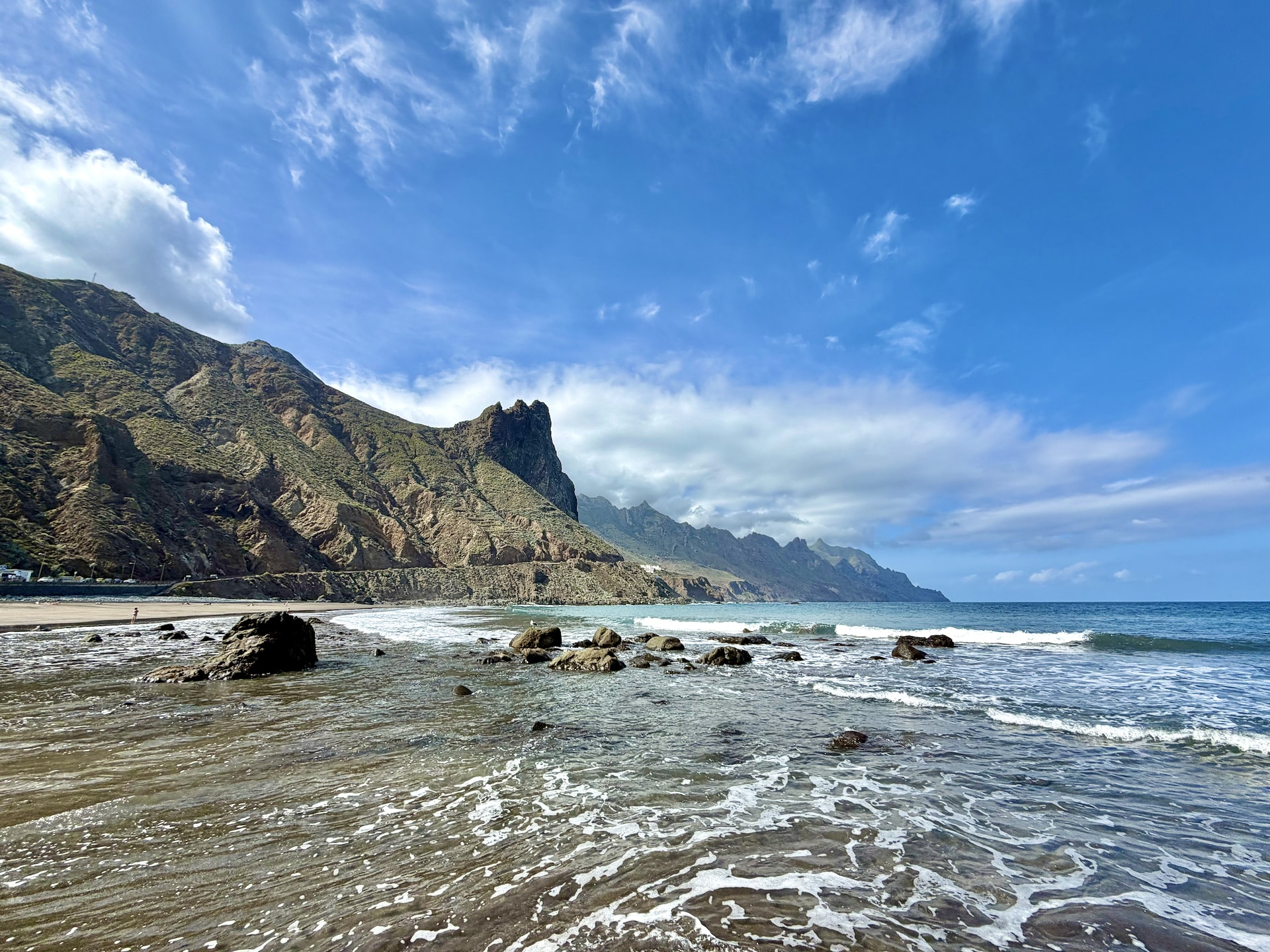
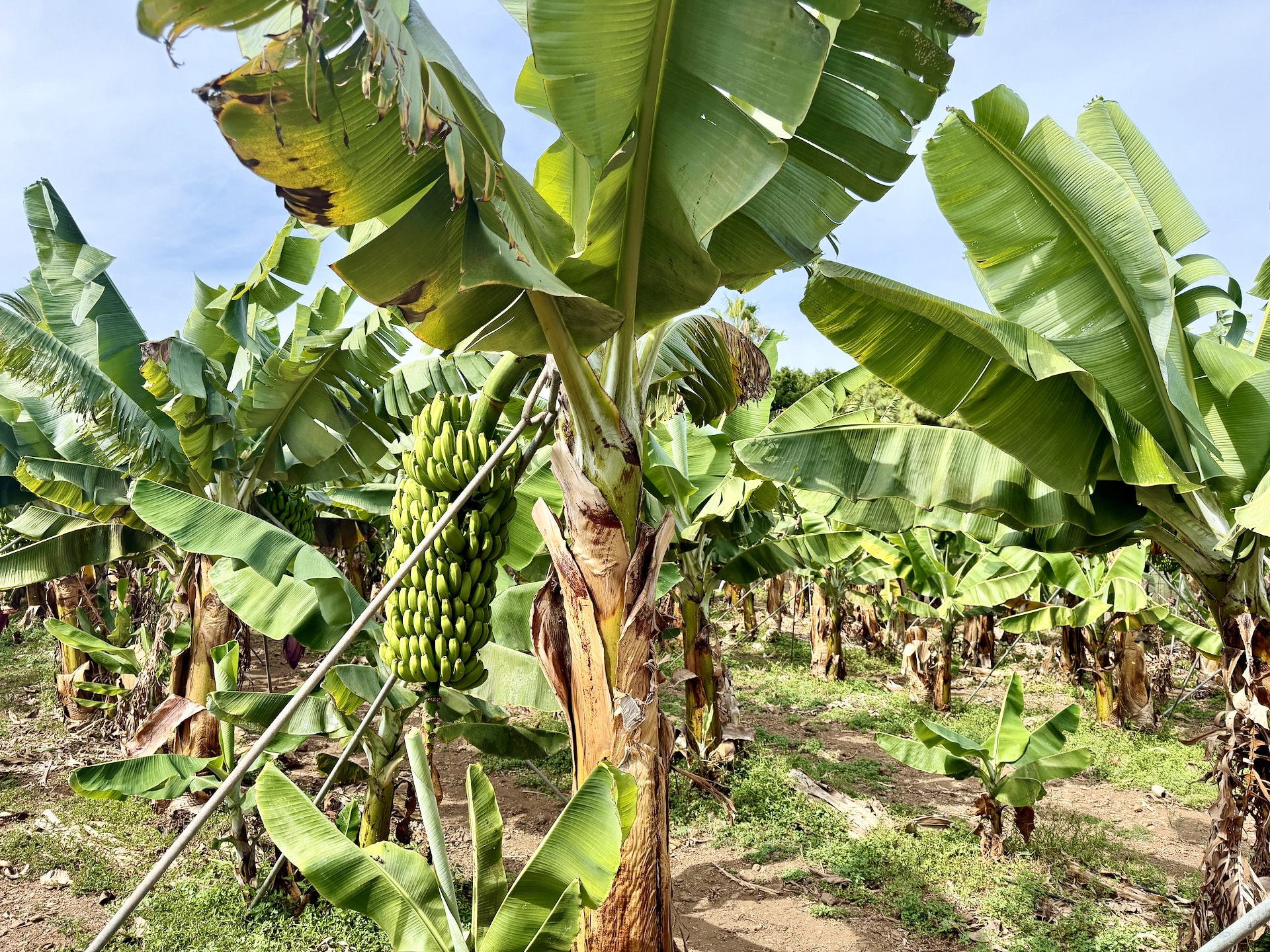
At noon we took the tour at bananaECOplantation, a small organic farm east of Puerto de la Cruz: €20 (~$22.4 USD) each, about an hour, in English and Spanish. From the end of its street we walked down to El Bollullo, about half an hour, because the road is closed to visitors’ cars. It has the blackest sand we saw all week, with huge waves and rip currents, so we went in up to our knees. La Orotava was next on the plan. It didn’t happen. Wet black sand sticks to everything, and we were in no state to go anywhere near other people. Even after half an hour in the shower back at the apartment, I was still sandy. Dinner at Guachinche La Bodega came to €36 (~$40.3 USD) for two, with wine. See banana plantation and El Bollullo and our guide to Canarian food in Tenerife.
Day 6: The “easy day” that wasn’t
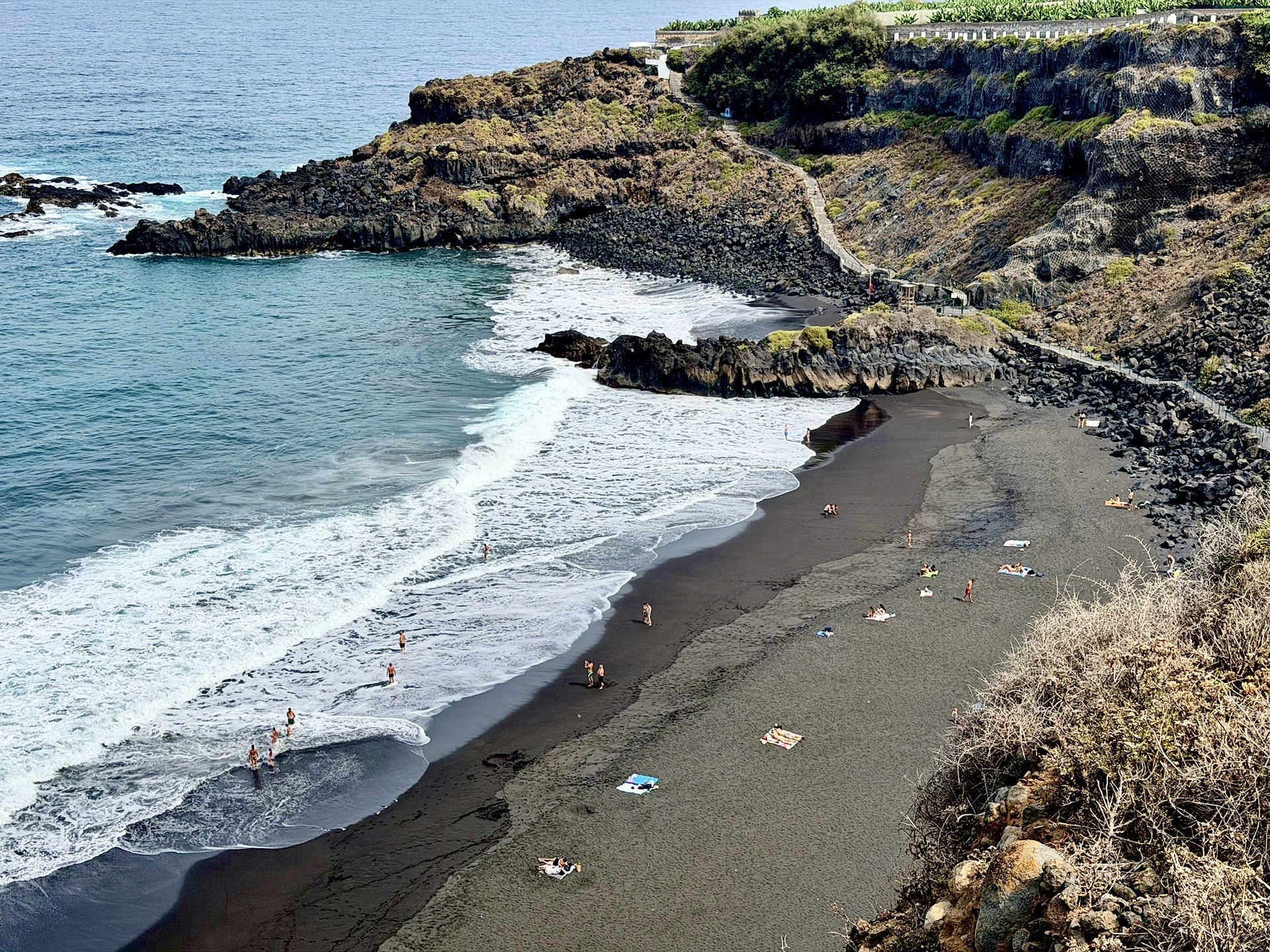
Friday was supposed to be the rest day. It became one of the longest of the week. In Candelaria, after fifteen minutes of hunting for parking, we saw the basilica, found a building site where the statues of the Guanche kings used to stand, and had four churros for €1 (~$1.1 USD) with a barraquito. That pushed Montaña Roja, the red volcano by El Médano, into the midday heat: just over two hours around the back and up to the top, on gravel that rolls like ball bearings. I fell once. We took the faster east-coast motorway home, which finally gave us time for La Orotava: the Casa de los Balcones, wooden balconies, and bell ringers working the bells by hand in an open tower. See Montaña Roja and Candelaria.
Day 7: Teide
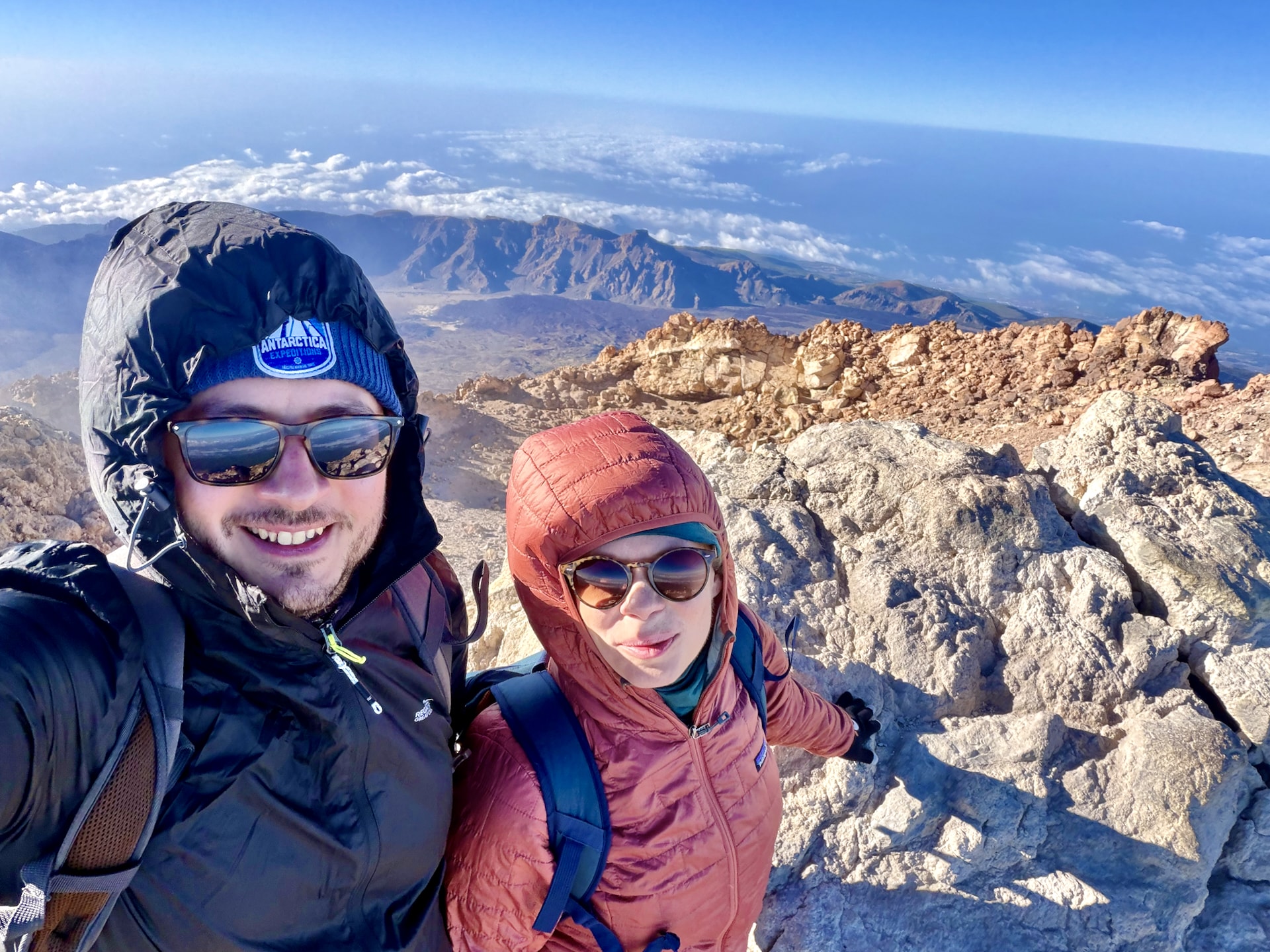
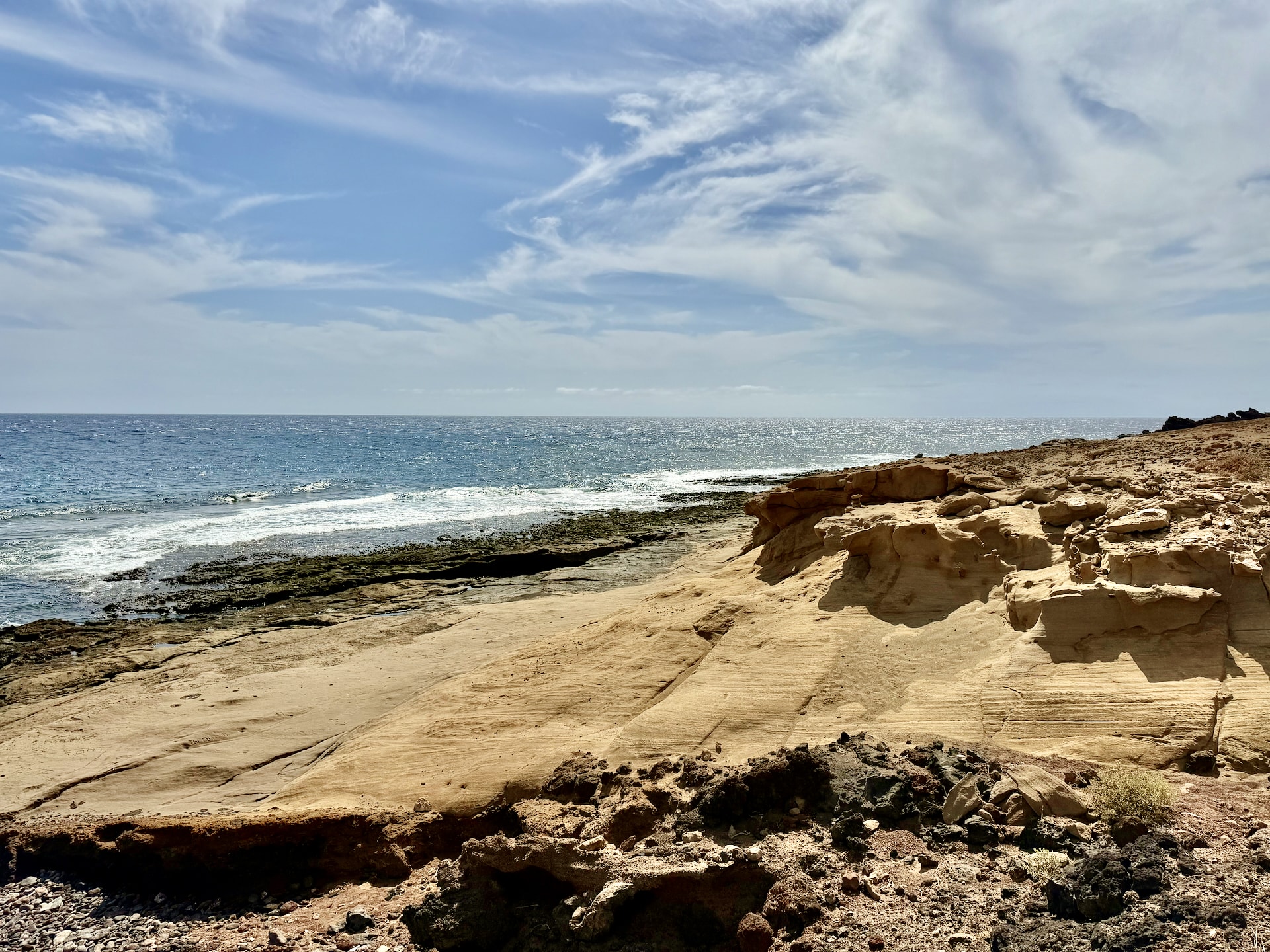
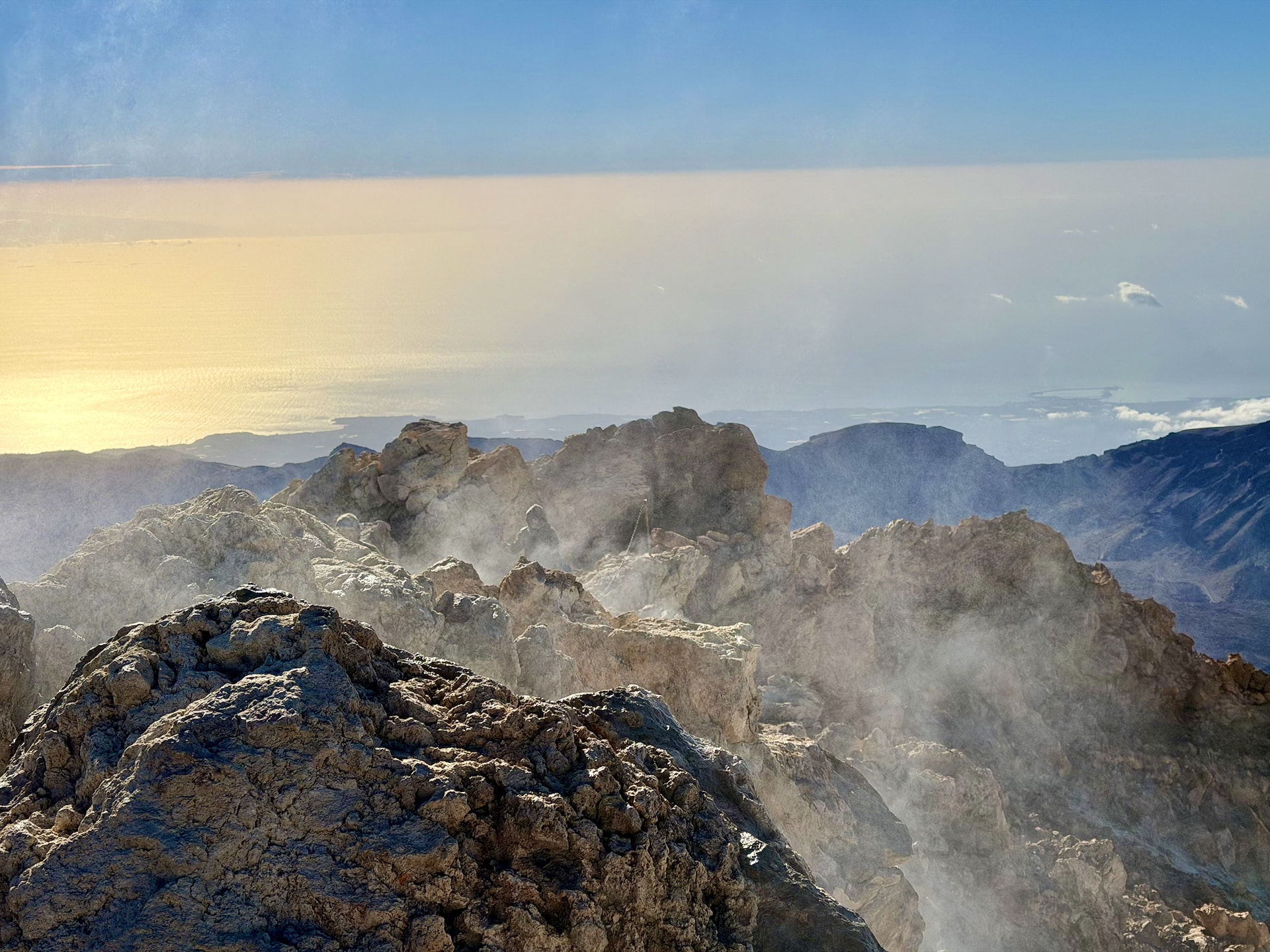
The big one. The summit needs a permit, and by the time we tried to book one, there were none left for our dates. I refreshed the booking site every day until a cancellation freed slots for Saturday at 9:00. We left in the dark, reached the cable car around eight, early enough to park by the entrance, and were on the 3,715 m (12,188 ft) summit at about quarter to ten. After a week of Teide hiding in clouds, we got a nearly clear day: the only clouds were to the north, over the sea, well below us. Sulfur vents were steaming beside the trail. On the way back we stopped at Mirador de Minas de San José and had lunch at Los Andes in Aguamansa, where the lady of the house set our chorizo on fire at the table. In the evening I watched Spain’s Wheel of Fortune and got so many answers that I checked whether it’s scripted. Apparently it isn’t. Everything about the climb is in our Teide permit guide.
Teide is the one day you can’t move around the weather, because the permit is for a fixed date and slot. Book it first, as soon as the 56-day window opens, and build the rest of the week around it.
Day 8: The old town, the west coast and the airport
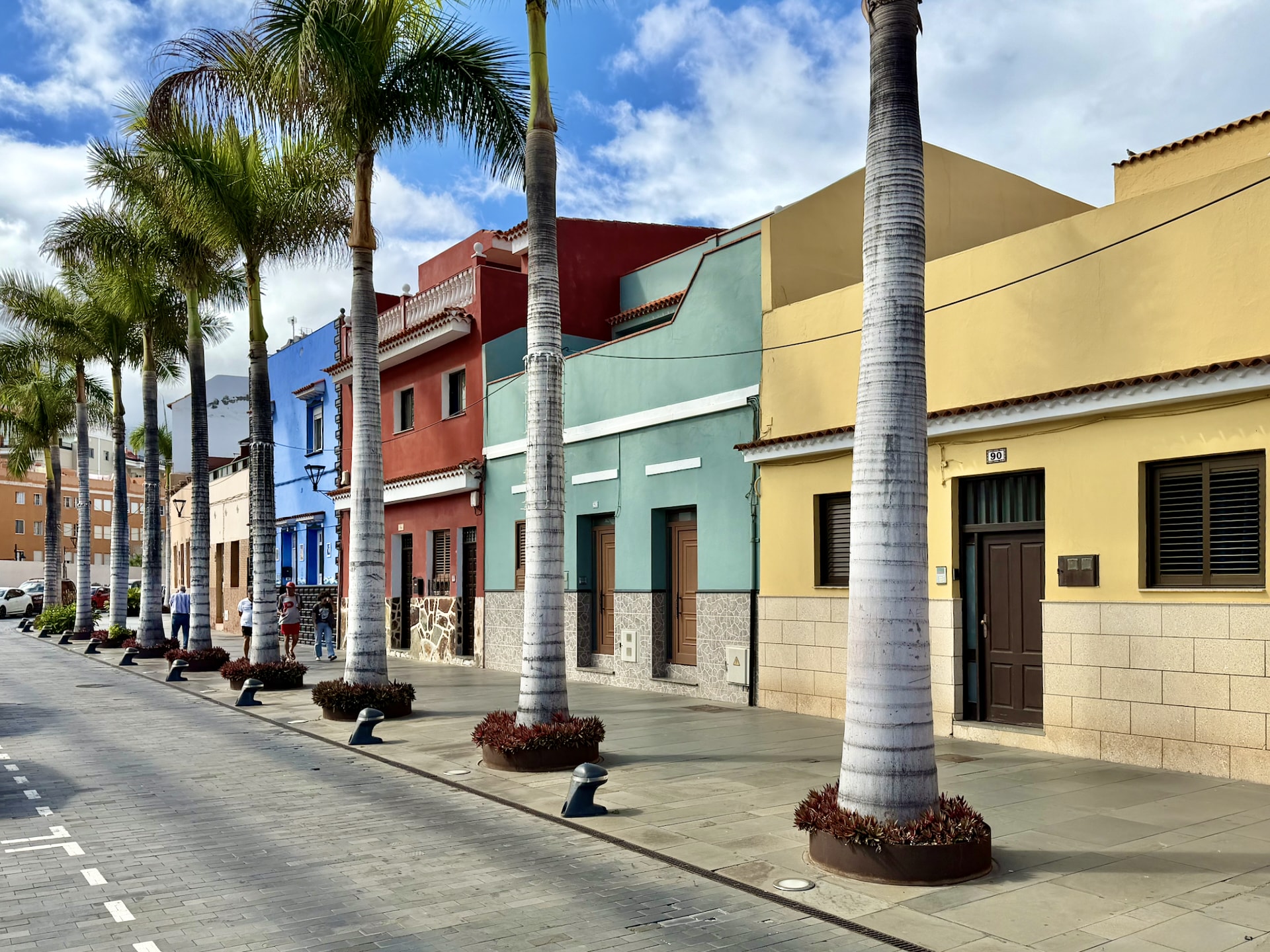
Check-out was at 11:00 and the flight left around 7:30 in the evening. We went back to Puerto de la Cruz, this time straight into the C.C. Martiánez garage, €3 (~$3.4 USD), and walked the old town: the church square was lovely, Plaza del Charco rather depressing, and La Ranilla’s colorful houses worth the walk. Then south along the west side of the island. A procession diverted us over a steep, narrow mountain road, but we made it to Mirador de Cherfe, where the Masca valley finally showed itself clear of cloud. Last stop: Costa Adeje, for coffee on Playa del Bobo and the most expensive, least memorable lunch of the trip. It made me glad we’d stayed in the north. The Masca road is in our Punta de Teno guide, and north versus south in where to stay in Tenerife.
What We’d Change
The week worked. Some of it worked by accident. If we planned it again, knowing what we know now:
- Book the Teide permit first. Up to 56 days ahead, on the Tenerife ON website. We got ours through a last-minute cancellation, and that was luck, not a method. The cable car needs booking too.
- Leave room for weather swaps. Days in the mountains (the Anaga ridge, the Masca road) need clear skies. Coast days work in cloud. Look at the sky in the morning and swap if you need to. On our rain day, the swap worked better than the plan would have.
- Halve the plan. Every day we planned had too much in it. One big thing a day, plus whatever fits around it.
- Park in garages from the start. Old towns on holidays and weekends are full. We paid €3 at C.C. Martiánez in Puerto de la Cruz and used the big visitor car park in La Orotava, and both were less stressful than any street.
- Do the south in the morning. Montaña Roja has no shade. Going there at one o’clock was a mistake.
- Nothing after El Bollullo. You’ll need a shower, a long one.
Here’s how I’d lay out the same week now, with the same base and a car:
| Day | Plan |
|---|---|
| 1 | Arrive, drive north. If you land early enough, sunset at Mirador de la Quinta |
| 2 | Puerto de la Cruz: Botanical Garden in the morning, Punta Brava and Playa Jardín in the afternoon, parking in a garage |
| 3 | North-west: a morning bus to Punta de Teno, lunch in Garachico, Icod on the way back |
| 4 | Anaga: the forest and the ridge if it’s clear, the coast and the Benijo loop if it isn’t |
| 5 | Teide, on whichever day your permit says |
| 6 | Banana plantation and El Bollullo, and nothing after |
| 7 | South-east: Montaña Roja early, Candelaria for lunch, La Orotava on the way back |
| 8 | The Masca road and Mirador de Cherfe on the way to the airport, if the sky is clear |
What We Didn’t Get To
A week was enough for a good first look at the island, but not much more. I’m sure you could spend two weeks here without repeating yourself. We only did three short hikes, and there are many more. Things we planned and didn’t do:
- The Anaga laurel forest. Cruz del Carmen and its short forest trails were lost in the cloud. El Pijaral, the best-protected stretch of forest, needs advance permission from the island government.
- Masca village and the Masca gorge hike. The gorge is a whole operation, with a shuttle, the hike down and a boat out at the bottom, and it has to be booked in advance on the official site.
- Roques de García, the famous rock formations in the Teide caldera.
- La Laguna, the UNESCO-listed old town near Santa Cruz, which was meant to be our stop on the way back from the Anaga hike, until we realized how sweaty we were.
- Lago Martiánez, the seawater pools in Puerto de la Cruz, and Casa del Vino, the island’s wine museum.
There are also wineries, beekeepers, golf courses, surfing and kitesurfing, a lot of theme parks that are advertised everywhere and aimed at families, and of course the other islands. The small propeller planes we kept seeing fly between them. I’d read that inter-island flights cost €5 to €10, and Binter’s booking page does open with prices close to that. But the fares it shows first are special resident fares, with the 75% discount Canary Islanders get. Switch to the non-resident fare and the price goes up three or four times.
Getting Around: Car, Bus and Parking
We had a car for the whole week, and I wouldn’t do the itinerary above without one. Tenerife’s buses, the TITSA network, cover the island, and the locals call them guaguas, which I’d thought was a Dominican Republic thing. Our one bus, the 369 to Punta de Teno, left exactly on time. But with buses you plan the day around the timetable, and several of our days had four or five stops in different directions.
Andrea did all the driving, so she’s writing our guide to driving in Tenerife. The short version from the passenger seat: the motorways are easy, the mountain roads are narrow and winding, and parking is the real problem. What worked for us:
- Puerto de la Cruz: the Loro Parque car park (€7) or the C.C. Martiánez garage (€3). The free seafront car park was closed when we tried it.
- La Orotava: Parking Lercaro, a big visitor car park about 10 minutes’ walk from the center.
- Candelaria: the municipal car park above the center, free for the first two hours.
- Garachico: the free car park at the entrance to town.
- Teide: arrive by 8:00 for the morning cable cars, before the car park fills up.
- El Bollullo: at the end of the plantation street, then walk down.
When you book accommodation in the north, check that it has its own parking. The northern towns are steep, narrow and full, and a space of your own saves you a search at the end of every day.
The Weather: Why Your Plan Needs a Plan B
It was warm all week, shorts-and-T-shirt weather everywhere except on top of Teide, where it was 5 to 10 °C (41 to 50 °F). But it was impossible to predict. A cloudy morning turns into blazing sun half an hour later, then another cloud fifteen minutes after that. Drive up into the hills and you’re usually inside the cloud, where it rains properly, and two kilometers further on it doesn’t.
Back home I looked up the official figures. During our week, the AEMET weather station in Tacoronte, on the north coast at about the height of our apartment, recorded rain on four of the eight days. Adeje, on the south coast, stayed completely dry. The sun rose at about 7:45 and set at about 19:40, which matters for an early Teide start or a sunset viewpoint. We compared north and south weather in where to stay in Tenerife, and Tenerife’s October weather will get an article of its own.
What a Week in Tenerife Cost Us
Now for the numbers. We tracked everything in a shared Revolut group, so this is close to exact. It covers everything on the island: the apartment, the car, fuel, parking, the Teide permit and cable car, food and the rest. It doesn’t include the flights, because what you’ll pay to get to Tenerife depends entirely on where you’re flying from. We flew Wizz Air from Budapest.
| Category | Total (2 people) | Per person | Per day | Per person/day | Notes |
|---|---|---|---|---|---|
| Accommodation | €637 | €318 | €80 | €40 | Airbnb in La Quinta, 7 nights |
| Activities | €191 | €95 | €24 | €12 | Teide permits €30 and cable car €86, a lost €15 permit, banana tour about €40, Botanical Garden €6, Casa de los Balcones €14 |
| Food & drink | €321 | €161 | €40 | €20 | 13 restaurant and café bills, including tips |
| Groceries & shopping | €195 | €97 | €24 | €12 | Supermarkets, banana chips, souvenirs in Candelaria |
| Transportation | €313 | €157 | €39 | €20 | Cicar car hire about €196, fuel €102, parking €11, bus 369 €4 |
| Other | €4 | €2 | €1 | €0 | One ATM fee, a street guitarist |
| Total | €1,661 | €830 | €208 | €104 |
Per day is over eight days, October 11 to 18. The lost €15 is a permit for an earlier slot that I cancelled once the Saturday slots appeared. The refund isn’t automatic, and I assumed it was. The biggest restaurant bills were the Italian place near the apartment (about €61) and La Doña (€53). The cheapest proper dinner was the guachinche, at €36 for two with wine.
Cards worked almost everywhere. The one exception was the lunch in Garachico, and we also paid cash one way on the bus. Getting cash is expensive: for a €90 withdrawal, a Santander machine in Santa Úrsula wanted €7, a BBVA in Puerto de la Cruz €2.70, and the CaixaBank in Garachico, which we finally used, €3.25. Tipping didn’t seem to be expected in the north. Where we felt it was deserved, we left about 10%, but card terminals aren’t really set up for it: at La Doña, they wouldn’t take a tip on the card at all.
Is a Week in Tenerife Enough?
For one side of the island and day trips to the other, yes. A week let us see the north properly, climb Teide and get a taste of the south. It didn’t leave room for the forest, the gorge, or anything that needed a clear day we didn’t get. Two weeks would be easy to fill without repeating anything.
It also depends on who you are. From what we saw, Tenerife works for very different kinds of holidays: hiking and exploring in the north, or two weeks at an all-inclusive resort in the south, lying by the pool. This itinerary is for the first kind.
One last thing: whatever you plan, plan less, and leave one day free for whatever the weather does to the others.
FAQ
Is one week enough for Tenerife?
For a first visit, yes, if you base yourself on one side and accept that you won’t see everything. We saw the north, the Teide summit and a slice of the south in eight days, and still had a long list of things we didn’t get to.
Do you need a car in Tenerife?
For an itinerary like ours, yes. TITSA buses cover the island and are cheap, but you plan your day around the timetable, and many viewpoints, trailheads and beaches are awkward or slow to reach by bus. If you’re staying put in a resort or in Puerto de la Cruz, you can manage without one.
Where should you stay for a week in Tenerife?
We stayed in La Quinta, near Puerto de la Cruz, on the north coast, and would do it again. The north suits hiking and exploring, the south suits sunshine and calm beaches. We compared them in where to stay in Tenerife.
How much does a week in Tenerife cost?
Our week cost €1,661 (~$1,860 USD) for two people, excluding flights: an Airbnb, a rental car, eating out most evenings, and the Teide permit and cable car. That’s €104 (~$116 USD) per person per day.
What should you book in advance in Tenerife?
The Teide summit permit, as early as possible (up to 56 days ahead), and the Teide cable car. Also the Masca gorge hike if you want to do it, which must be booked on the official site, and your rental car. The banana plantation tour we booked only the day before, and people on our tour had simply turned up.
Can you climb Teide without a permit?
Not to the summit. Without a permit you can still take the cable car and walk the two other trails from the upper station. Our Teide permit guide explains how we got a permit after they’d sold out.