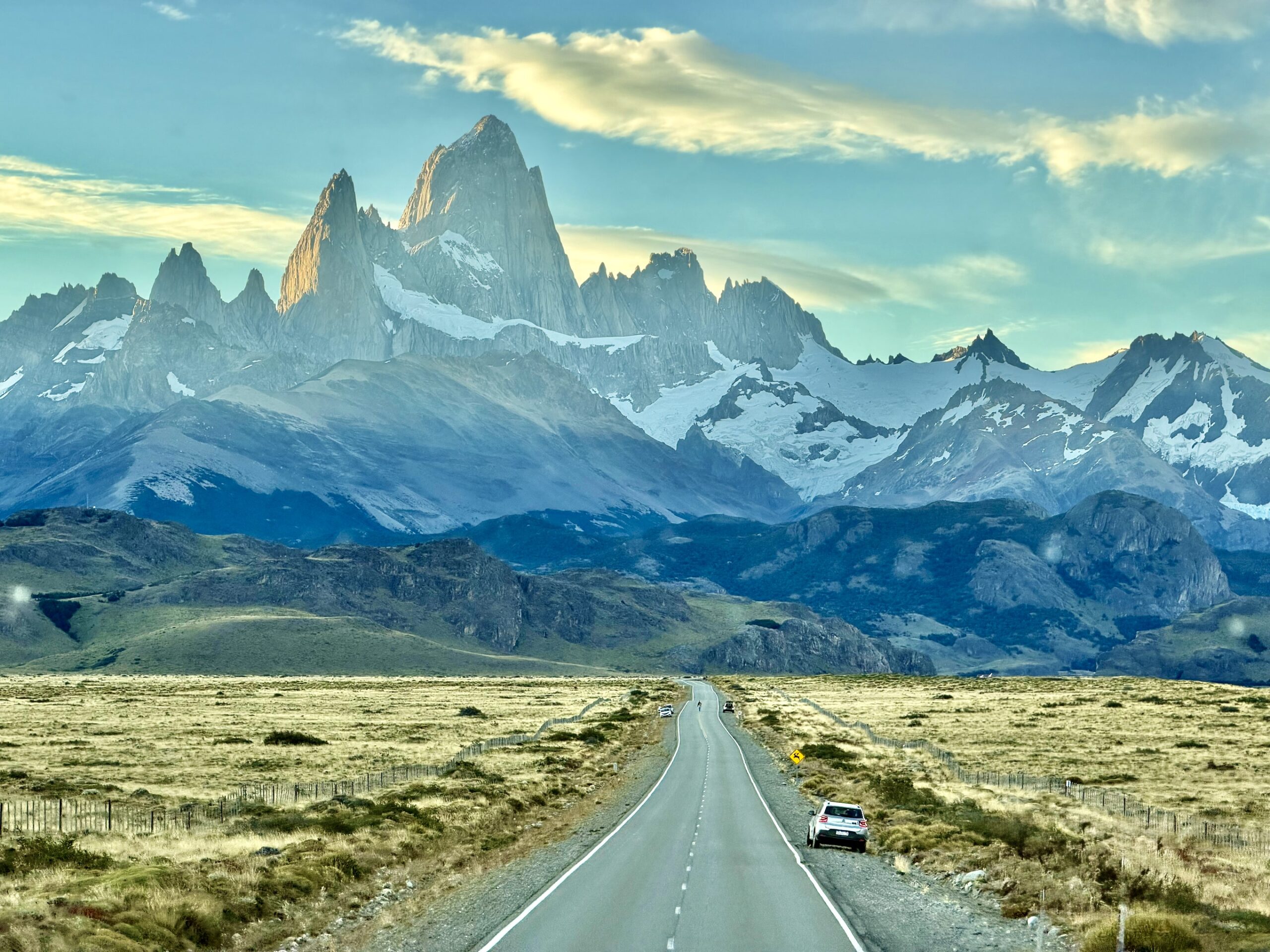
This is a slightly unusual itinerary, because it crosses not just several countries but several continents. As we discovered on our own Antarctic trip, plenty of travelers do exactly this: once you’ve committed to reaching the so-called end of the world, you might as well see Patagonia while you’re down there.
So that’s what we did. It simply made sense – if you’re already going all that way, why not?
What follows is a four-week route that begins in Buenos Aires and ends in Santiago, Chile. Ten days of it belong to Antarctica, the two South American capitals get a few days each, and the heart of the whole thing is Tierra del Fuego and Patagonia, with their national parks.
As we say about pretty much every itinerary we publish, you could easily spend far longer in these places. Four weeks sounds like a lot. It isn’t.
Four weeks is reasonably comfortable for Patagonia and Tierra del Fuego if you skip Antarctica – the route still works well that way, and at the end we’ll explain exactly where we’d spend the ten freed-up days. With Antarctica included, though, the pace is brisk, with a lot of moving between cities and regions.
So buckle up. This is a genuine epic odyssey: the total distance traveled comes to more than 8,000 km (5,000 miles) – and that’s only counting what happens after you land in Buenos Aires. Add the journey from home and back, and we covered over 36,000 km (22,000 miles) in total, comparable to our three-week Australia trip. The full, detailed budget is at the end of the article.
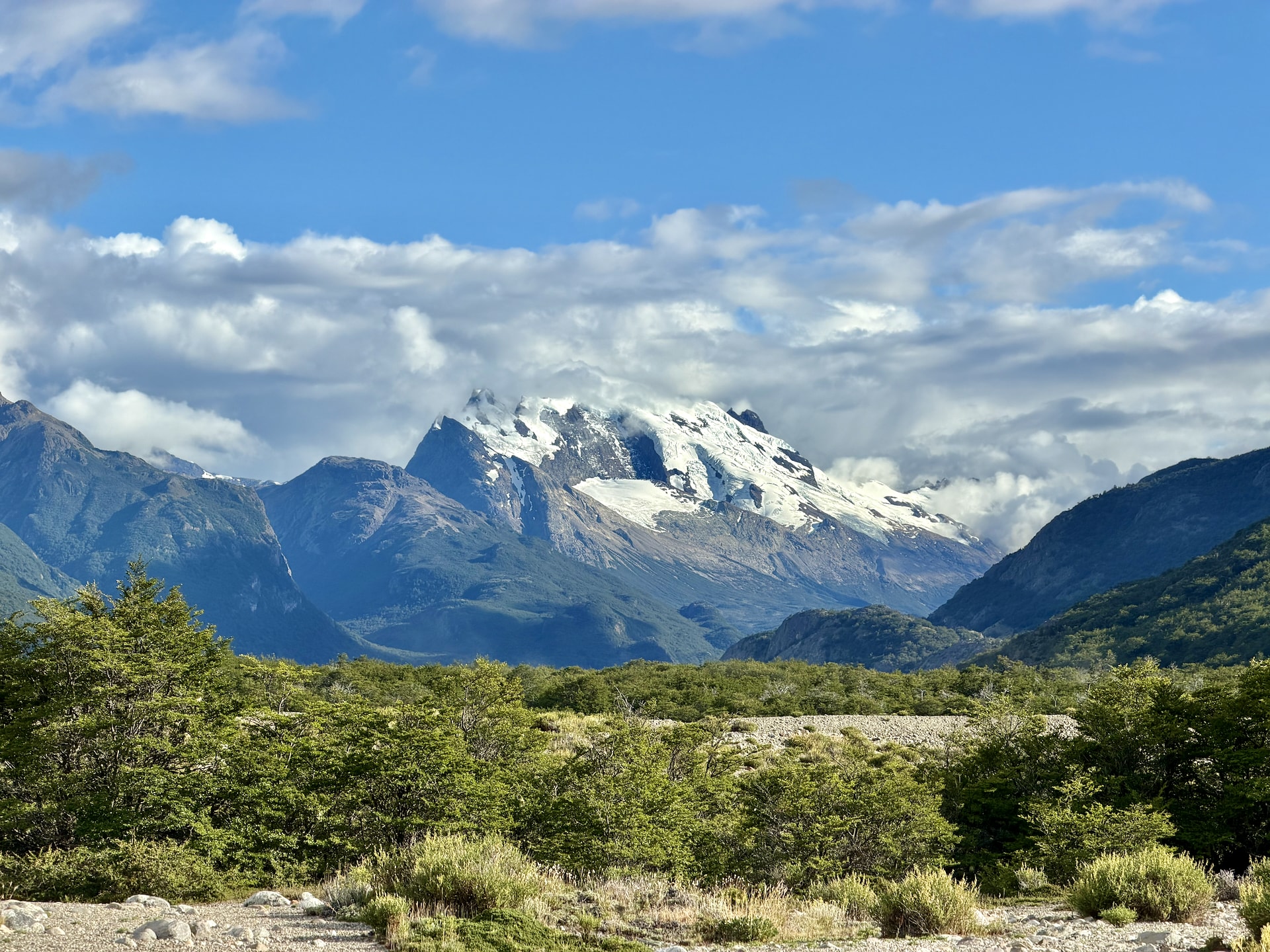
Essential Facts: Argentina, Chile, and Antarctica
Before the route itself, here are the basics on the two countries and the continent this trip covers.
Argentina at a Glance
- Population: ~46 million
- Area: ~2.78 million km² (~1.07 million sq mi) – the eighth-largest country in the world
- Official language: Spanish
- Currency: Argentine peso (ARS)
- Visa: Visa-free for EU, UK, US, and most Western passport holders for stays up to 90 days
- Internet connectivity: Local SIM cards are easy to find, plus eSIM options. We used Nomad eSIM in Argentina. (Get $5 off your first eSIM using this promo code: LSZLHCTJ)
Chile at a Glance
- Population: ~19.5 million
- Area: ~756,000 km² (~292,000 sq mi) – a long, narrow ribbon of a country
- Official language: Spanish
- Currency: Chilean peso (CLP)
- Visa: Visa-free for EU, UK, US, and most Western passport holders for stays up to 90 days
- Internet connectivity: Local SIM cards and eSIM options both work well. We used Manet eSIM in Chile ($13 for 5 GB).
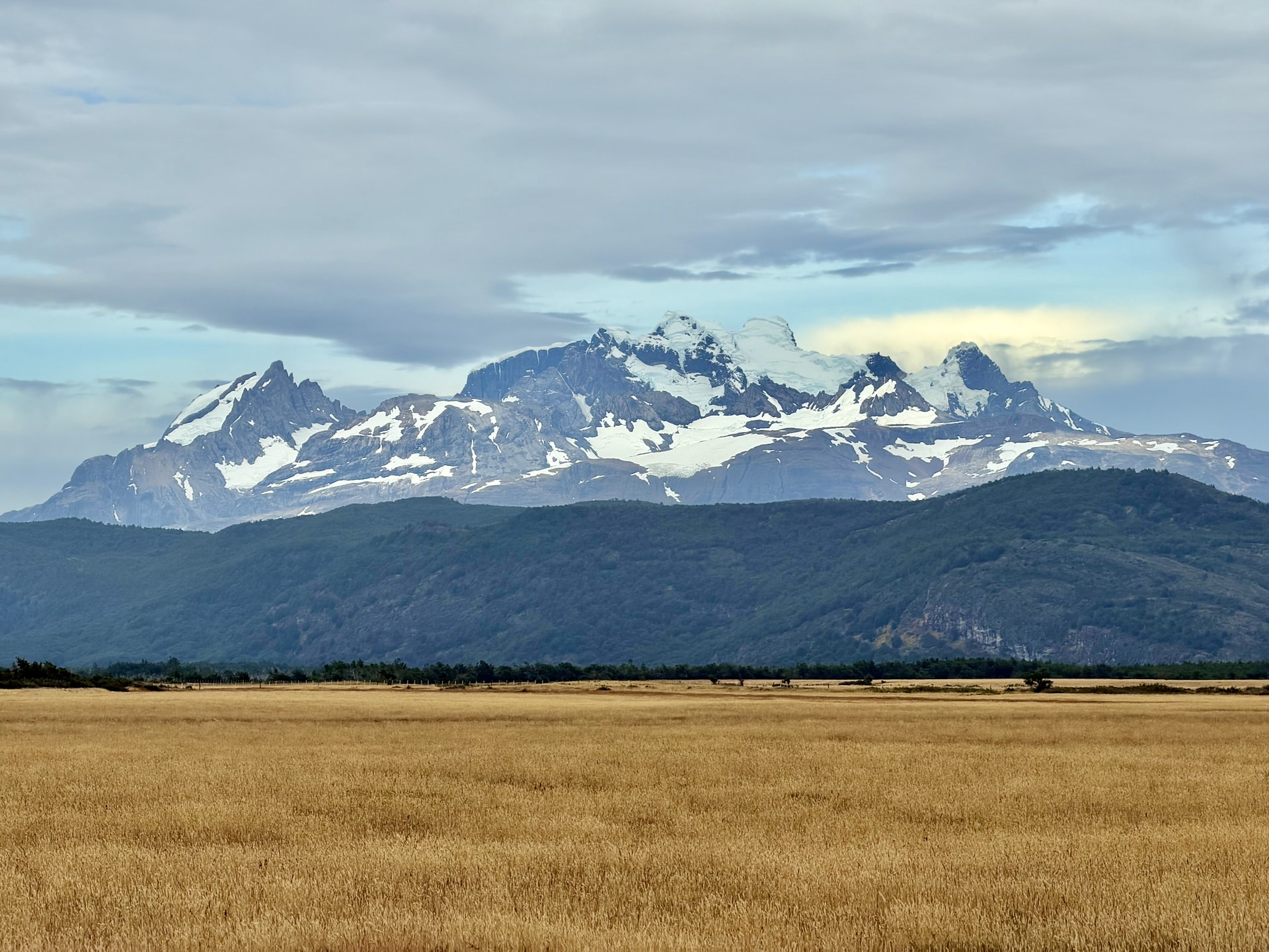
Antarctica at a Glance
- Status: Not a country, but a continent governed by the Antarctic Treaty – no government and no permanent population
- Area: ~14 million km² (~5.4 million sq mi) – the fifth-largest continent, bigger than Europe
- Population: No permanent residents; a few thousand scientists and support staff at research stations in summer, far fewer through the winter
- Currency: None – on an expedition cruise you settle your bill onboard, usually in US dollars
- Visa: No visa for Antarctica itself; in practice you reach it through Argentina, so Argentina’s entry rules are the ones that matter
- Internet connectivity: Limited – most expedition ships carry satellite internet, but it can be spotty
Argentina, Chile, and Antarctica in a Nutshell
Argentina
Argentina is vast, and Patagonia is only one slice of it. The same country also holds the subtropical north, the wine country around Mendoza, the endless Pampas, and a long stretch of the Andes. After independence from Spain in 1816, waves of European immigration – Italian and Spanish above all – shaped the food, the language, and the cities, while the 20th century brought political turbulence and recurring economic crises. On this trip you’ll mostly see two very different faces of the country: Buenos Aires in the temperate north-east, and the wind-scoured far south.
Chile
Chile is almost comically long and thin – more than 4,000 km (2,500 miles) from top to bottom, and rarely more than 200 km (120 miles) wide. That shape means the Atacama Desert in the north and the glaciers and fjords of the south feel like different planets. Independence from Spain came in 1818, and the more recent past includes the Pinochet dictatorship and the return to democracy in 1990. This itinerary touches only the deep south – Torres del Paine – and the capital, Santiago.
Antarctica
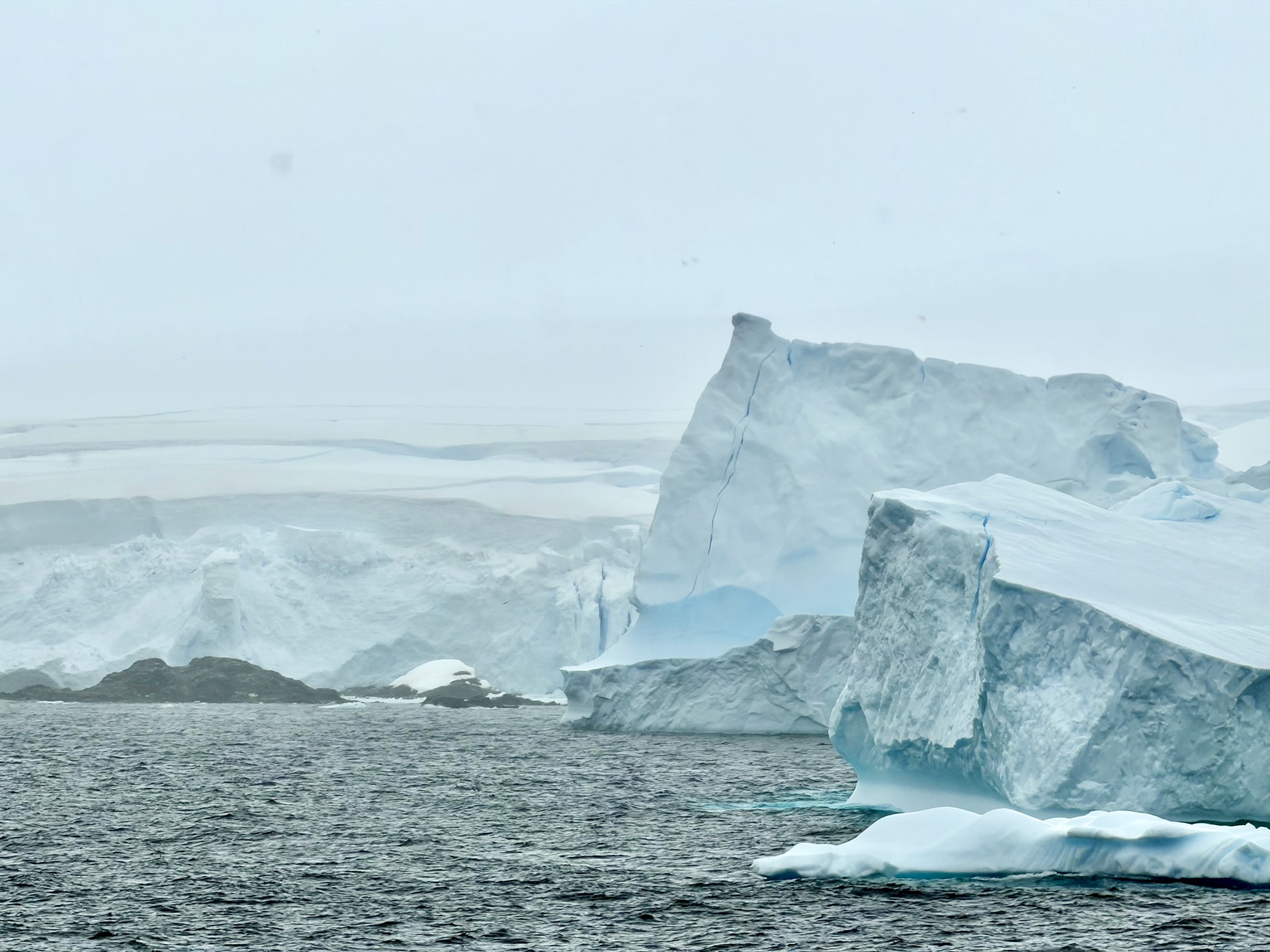
Antarctica is the coldest, driest, and windiest continent, almost entirely buried under ice. Most expedition cruises visit the Antarctic Peninsula, the northern finger that reaches up toward South America and is the mildest, most accessible corner of the continent. There are no countries here and no permanent population; the whole continent is set aside for peace and science under the Antarctic Treaty of 1959. Travelers reach it almost exclusively by expedition ship from Ushuaia, crossing the famously moody Drake Passage. We’ve written a whole series about our own voyage – more on that in the day-by-day below.
South American, Not Latin American
One personal observation worth sharing: Argentina and Chile felt distinctly like South American countries to us, rather than Latin American ones. We’ve traveled elsewhere in Latin America – Colombia, Peru, the Dominican Republic – and these two felt different: quieter, somehow more orderly, and more European in texture. Buenos Aires in particular felt strikingly European, and so did Santiago. It’s not a matter of better or worse, just a different character from the northern part of the continent and the Caribbean.
Quick Facts About This Trip
- Total Distance: Approximately 8,000 km (5,000 miles) within the trip – over 36,000 km (22,000 miles) counting the journey from home and back
- Duration: 26 days / 25 nights, including travel days
- Budget: Roughly $85–105 USD per person per day, for two people, excluding the Antarctica cruise and international flights
- Travel Style: A mix of city, mountains, and ice
- Best Time to Visit: November to March, the Southern Hemisphere summer – this is the Antarctic cruise season, and for Patagonia, December to February is the peak, with November and March quieter but still good
- Transportation: Flights and long-distance buses between regions, public transit within cities, rental cars in Ushuaia and around Torres del Paine, and an expedition ship to Antarctica
- Ideal For: Active travelers aged 30–55 who want a mix of culture and dramatic nature, and don’t mind a fast pace
- Accommodation Types: Hotels, Airbnb apartments, and the expedition ship
What to Know Before You Go
A trip this long rewards planning. This is not the kind of route you can improvise day by day, drifting from town to town and finding a bed when you arrive.
The Antarctic leg in particular has to be arranged far in advance – we cover that in our separate guide on planning an Antarctica trip. But we also booked our flights ahead, and even the long-distance buses. We rented a car once on a genuine whim, but the other rental was reserved in advance, and on this trip every single night’s accommodation was booked before we left. It was a far more organized trip than we usually run.
The packing can look intimidating. Buenos Aires and Santiago sit in full summer when you visit – 30 °C (86 °F) days are normal, since you’re in the Southern Hemisphere – while Antarctica, summer or not, hovers around freezing. It sounds impossible to pack for, but it isn’t: we did the whole trip out of a carry-on each, and there’s a separate article on exactly how.
Down here, the weather is in charge – in Patagonia as much as in Antarctica. Plans can and will shift. That’s part of the deal on an Antarctic voyage, but it applies just as much to Patagonia and its national parks. We were reasonably lucky with the weather in Patagonia overall, but rain still washed out our most important day in Torres del Paine. Because the schedule is tight, every day counts, and there are no real rain days built into the Patagonian stretch. It’s summer, so the odds are with you, but a storm can roll in at any time.
A few practical things worth knowing before you go:
- Book the big pieces early – the Antarctic cruise above all, but also flights and the popular long-distance buses, which sell out in peak season
- Buy an open-jaw ticket – flying into Buenos Aires and home from Santiago saves a long, pointless backtrack
- Build mental flexibility for the weather – especially in Torres del Paine and on the Antarctic Peninsula, where a plan is really just a hope
- One bag is enough – even with Antarctica in the mix, a carry-on works, because the expedition ship lends you the bulkiest gear
In Argentina especially, keep some cash on hand. Cards work almost everywhere, but restaurant tips are frequently cash-only, and some private transfers and smaller vendors prefer paper money. Getting cash needs a bit of planning and creativity, we cover this in detail in our Buenos Aires travel guide.
Detailed Day-by-Day Itinerary
Day 1 – Arrival in Buenos Aires
We were supposed to land in Buenos Aires in the early evening. Instead, Turkish Airlines collected such an impressive delay along the way that we didn’t actually touch down until the small hours of the next morning. We hadn’t planned anything for that first evening in any case – it was only ever meant to be the arrival day.
Days 2–3 – Exploring Buenos Aires
After four or five hours of sleep, we were ready to start.
Buenos Aires turned out to be wonderful – considerably better than we’d expected – so we were glad to have a couple of nights here. Over these days we worked through most of the city’s important neighborhoods. (We wrote up those three days in detail: what we saw, ate, and spent.)
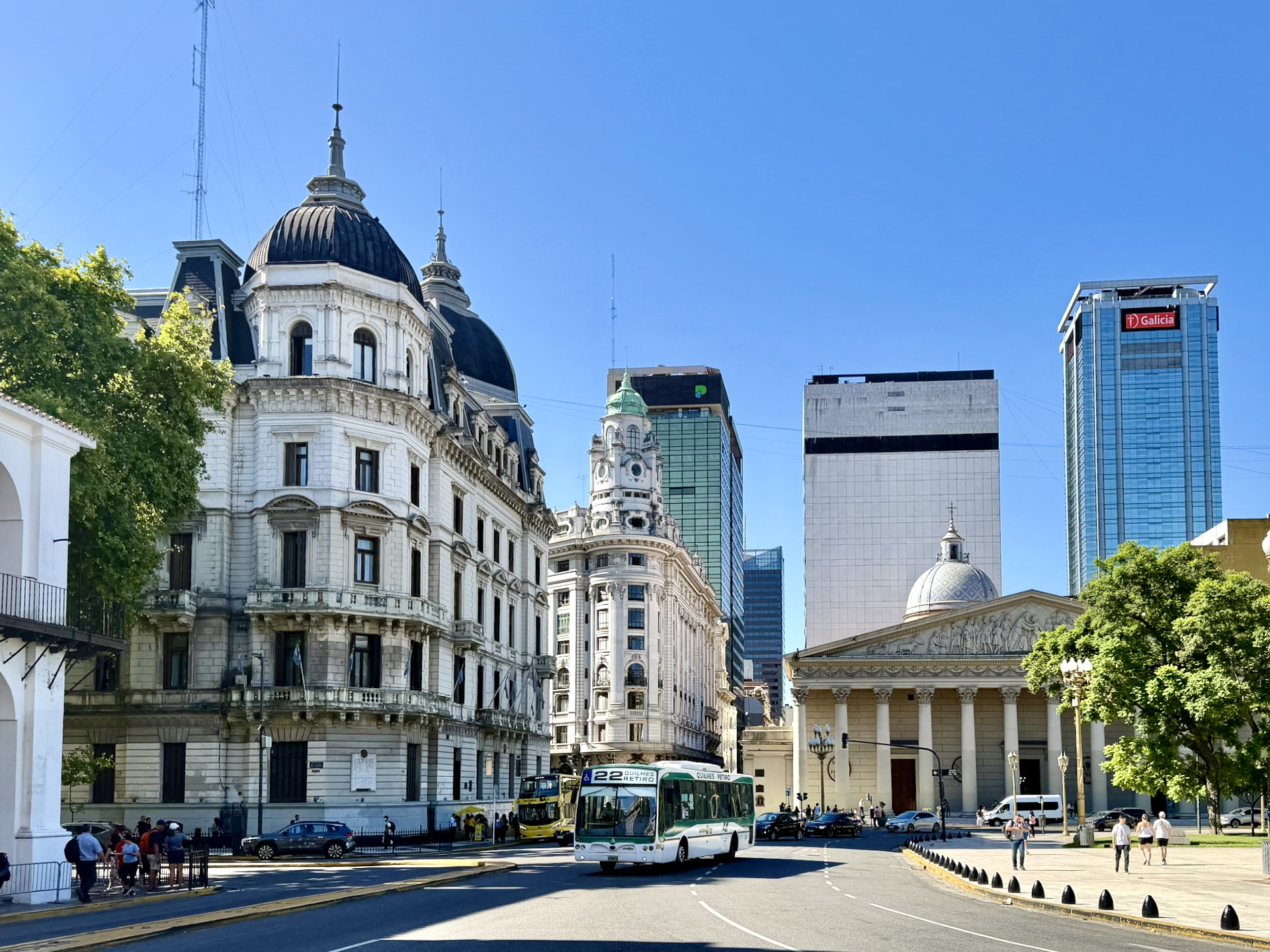
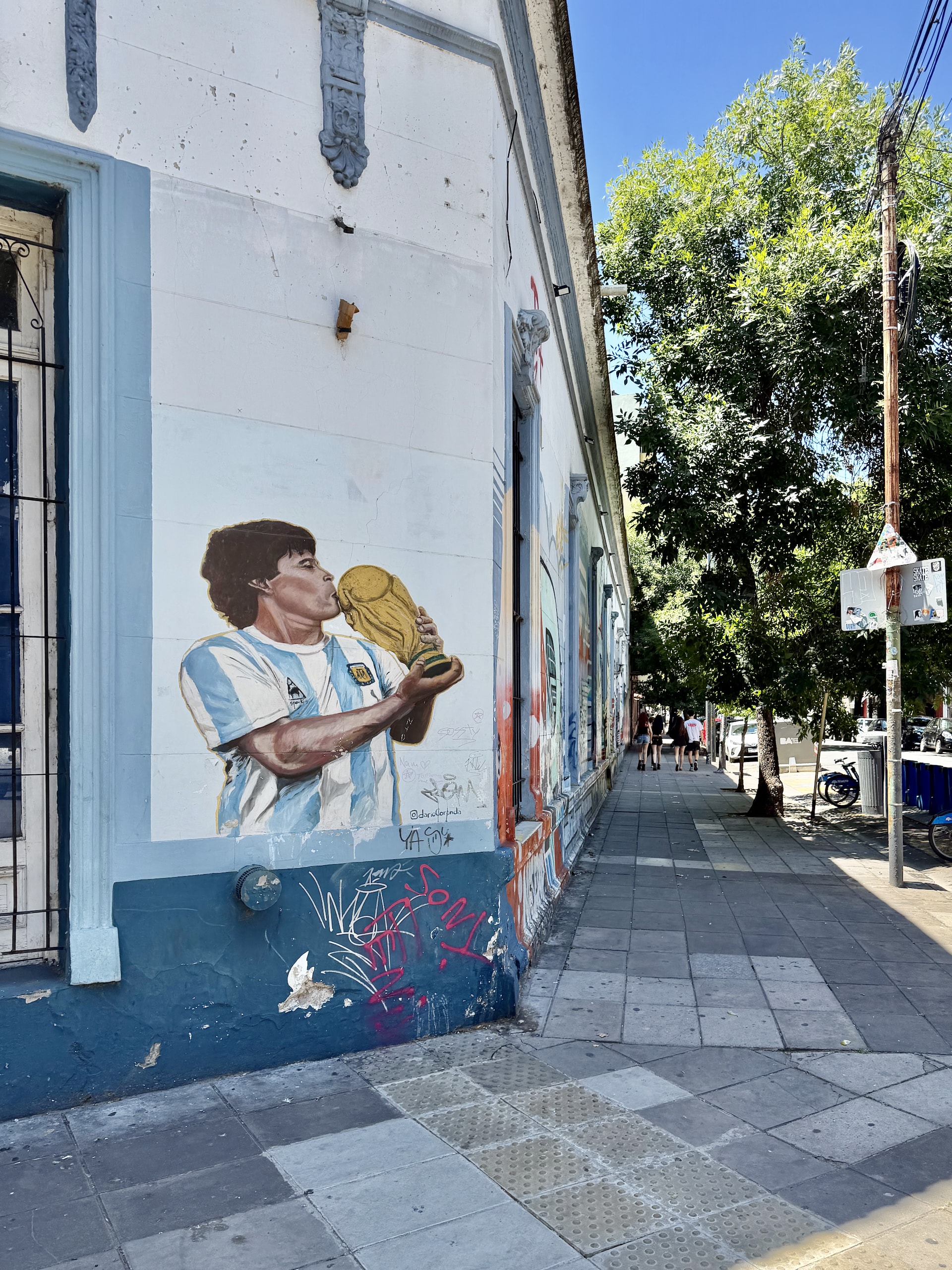
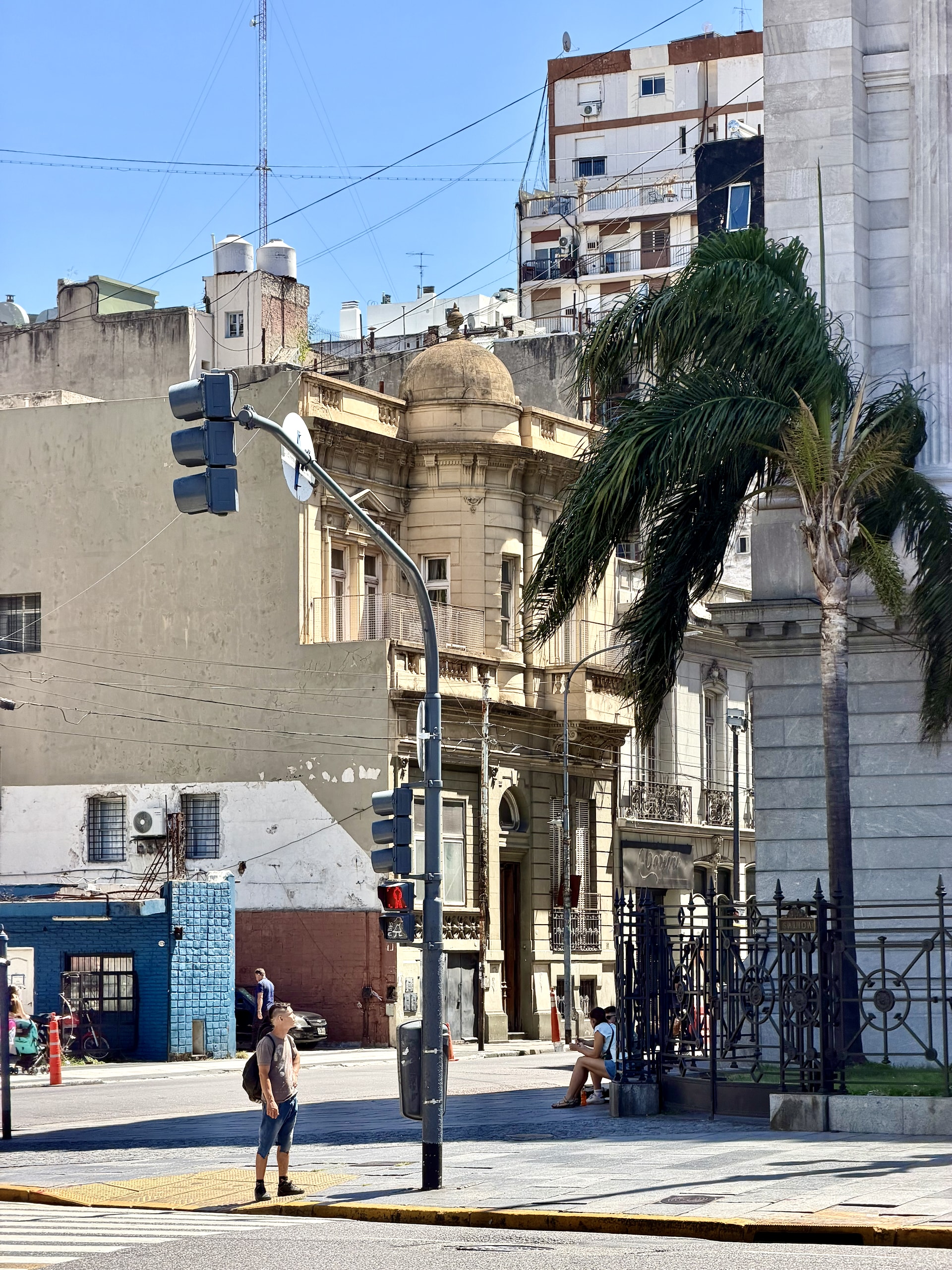
We stayed in Palermo Soho, which proved a good call: it’s not dead-center, but transport is decent and the center is easy to reach. On various walking tours we saw the government district, with the Congress building and the Casa Rosada – the presidential palace – and explored Retiro and Recoleta, including the famous Recoleta Cemetery. One evening we headed to San Telmo, the city’s tango neighborhood, for a tango show with dinner.
Day 4 – Buenos Aires to Ushuaia
Our last morning in Buenos Aires was spent in La Boca, on a walking tour of the colorful old port district. Before that, we dropped our backpacks at a nearby Radical Storage luggage point, which made the morning far easier than hauling our bags around La Boca.
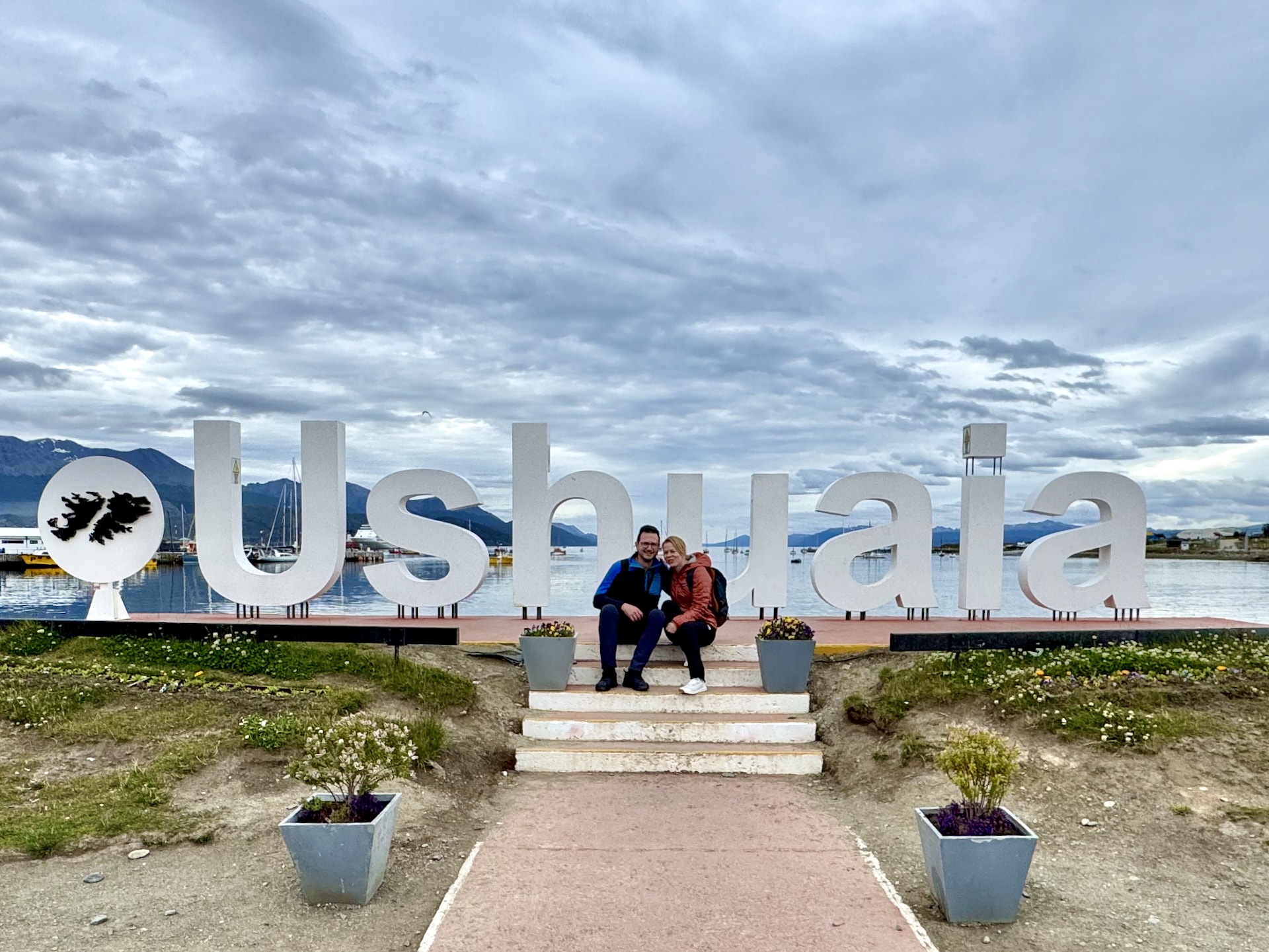
From there we headed to the city’s smaller airport and flew south to Ushuaia. We landed in the evening, so there wasn’t much to do beyond finding our accommodation, tracking down a beer, and getting some sleep. The next day was embarkation day.
Buenos Aires has two airports. Domestic flights – including those to Ushuaia – use Aeroparque Jorge Newbery, right inside the city and quick to reach. International flights use Ezeiza, around 45 minutes out. Check which one your ticket uses, and budget transfer time accordingly.
Days 5–13 – The Antarctica Expedition Cruise
On day five – embarkation day – we wandered Ushuaia a little more, had a look around the area, then boarded the ship and set sail for Antarctica.
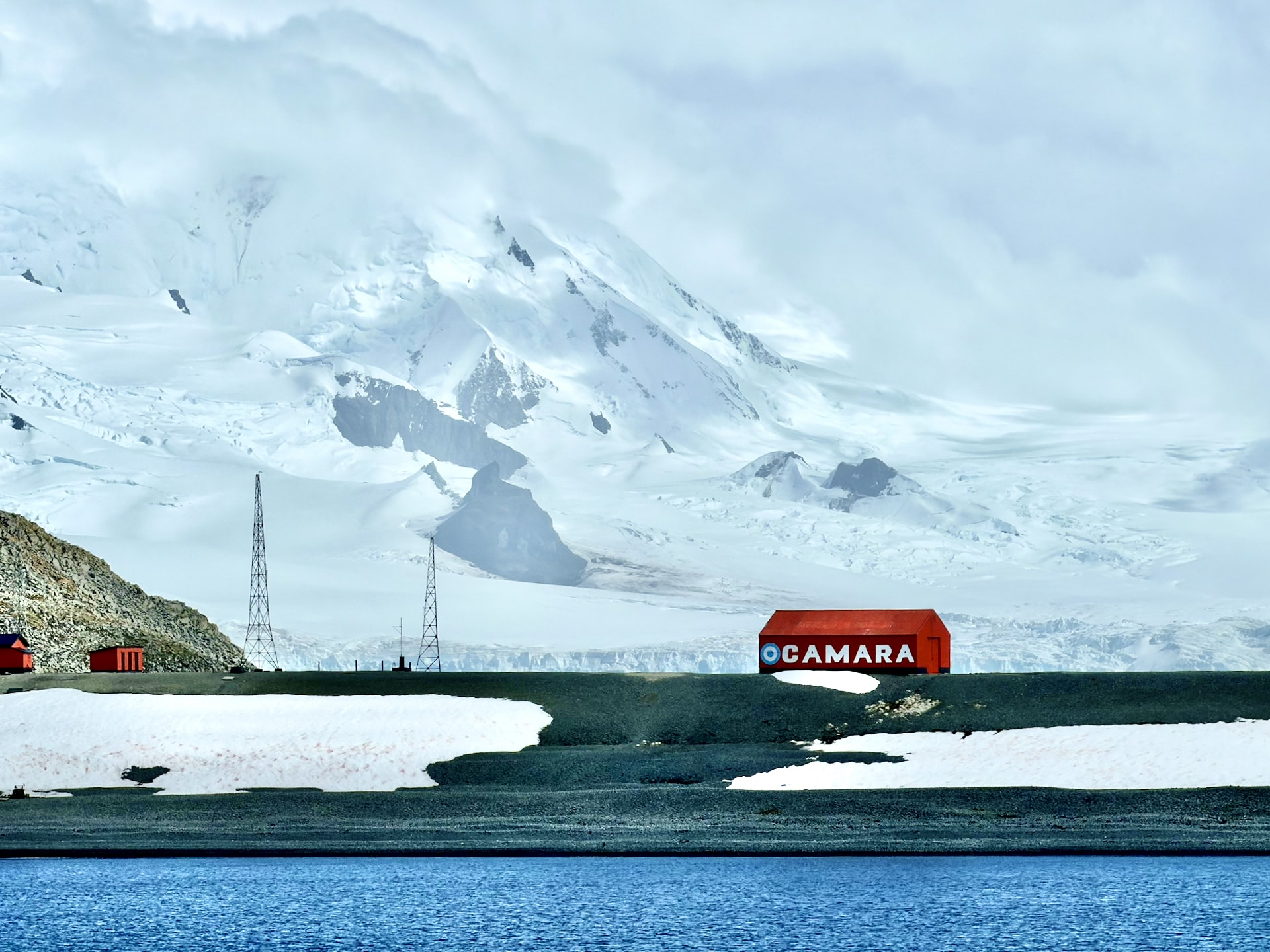
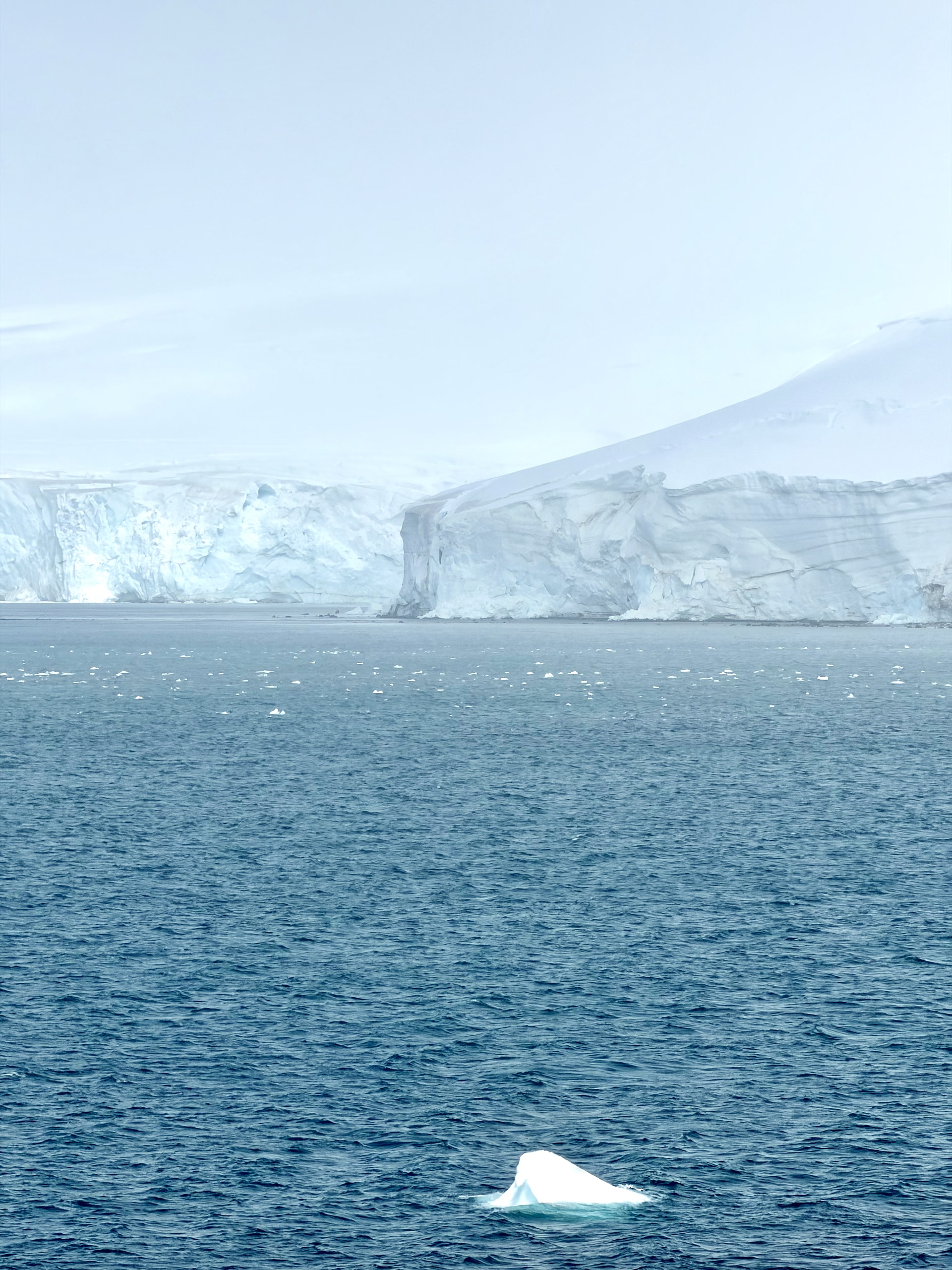
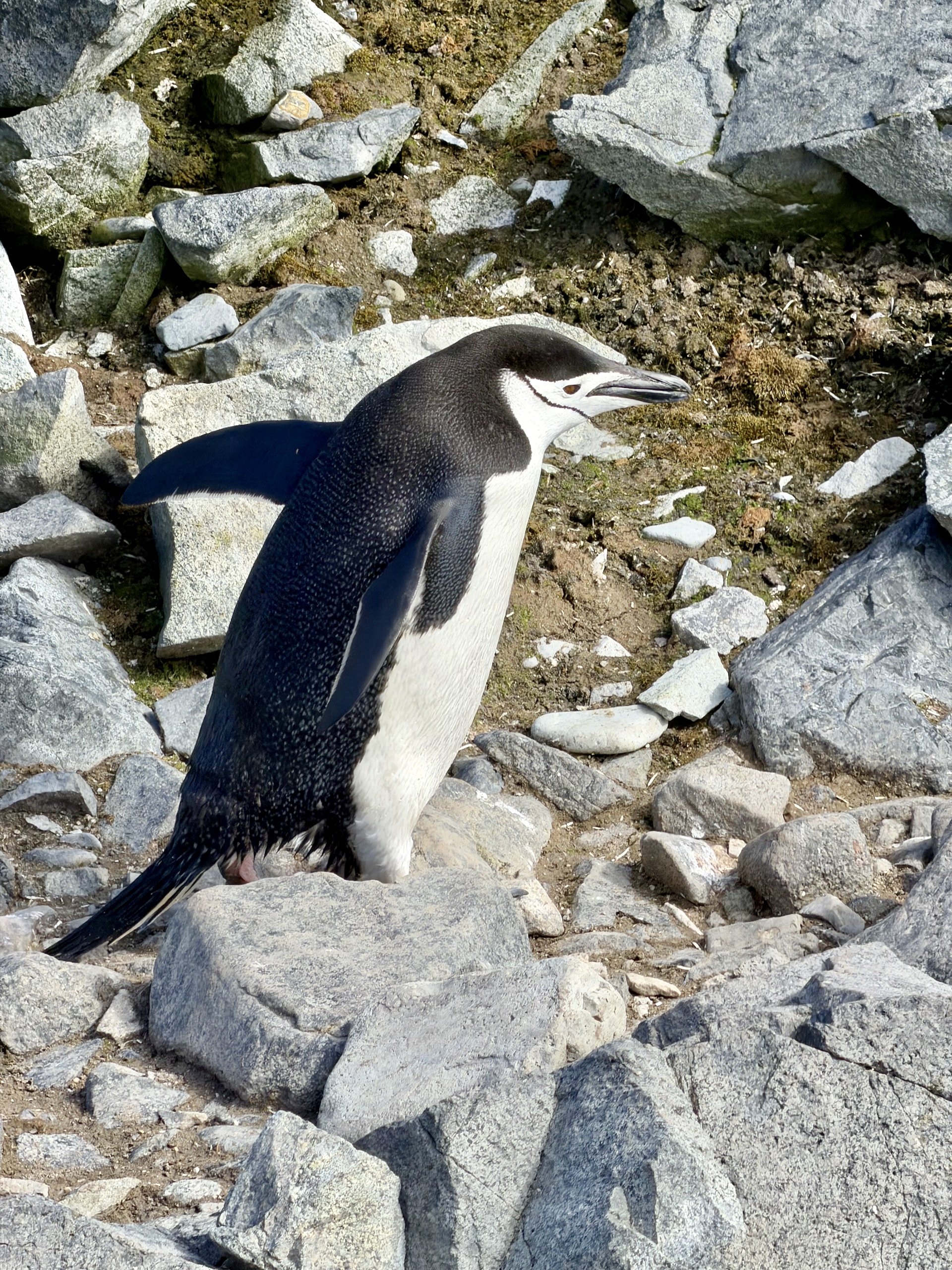
We won’t retell the whole Antarctic experience here, because we’ve devoted an entire series of articles to it. There’s a day-by-day account of the voyage, a look at what the Ocean Albatros, our expedition ship, was actually like, a guide to how to plan an Antarctica trip, and an honest reckoning of whether the whole thing was worth it. If you want the full picture, dive into our complete Antarctica coverage. For this itinerary, what matters is the shape: roughly ten days built around the crossing, with the ship back in Ushuaia early on day 14.
Day 14 – Ushuaia and the Bridal Veil Waterfall
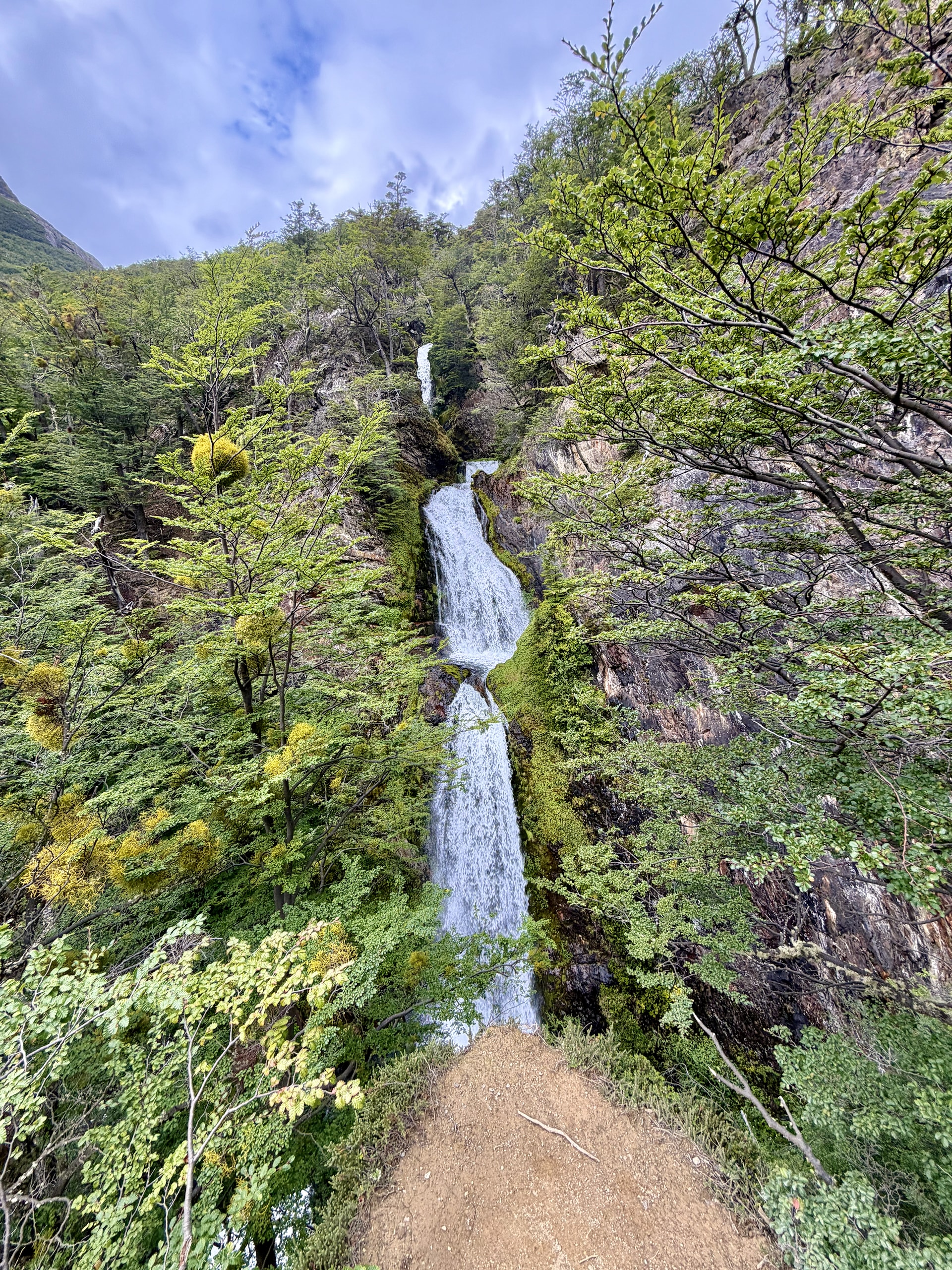
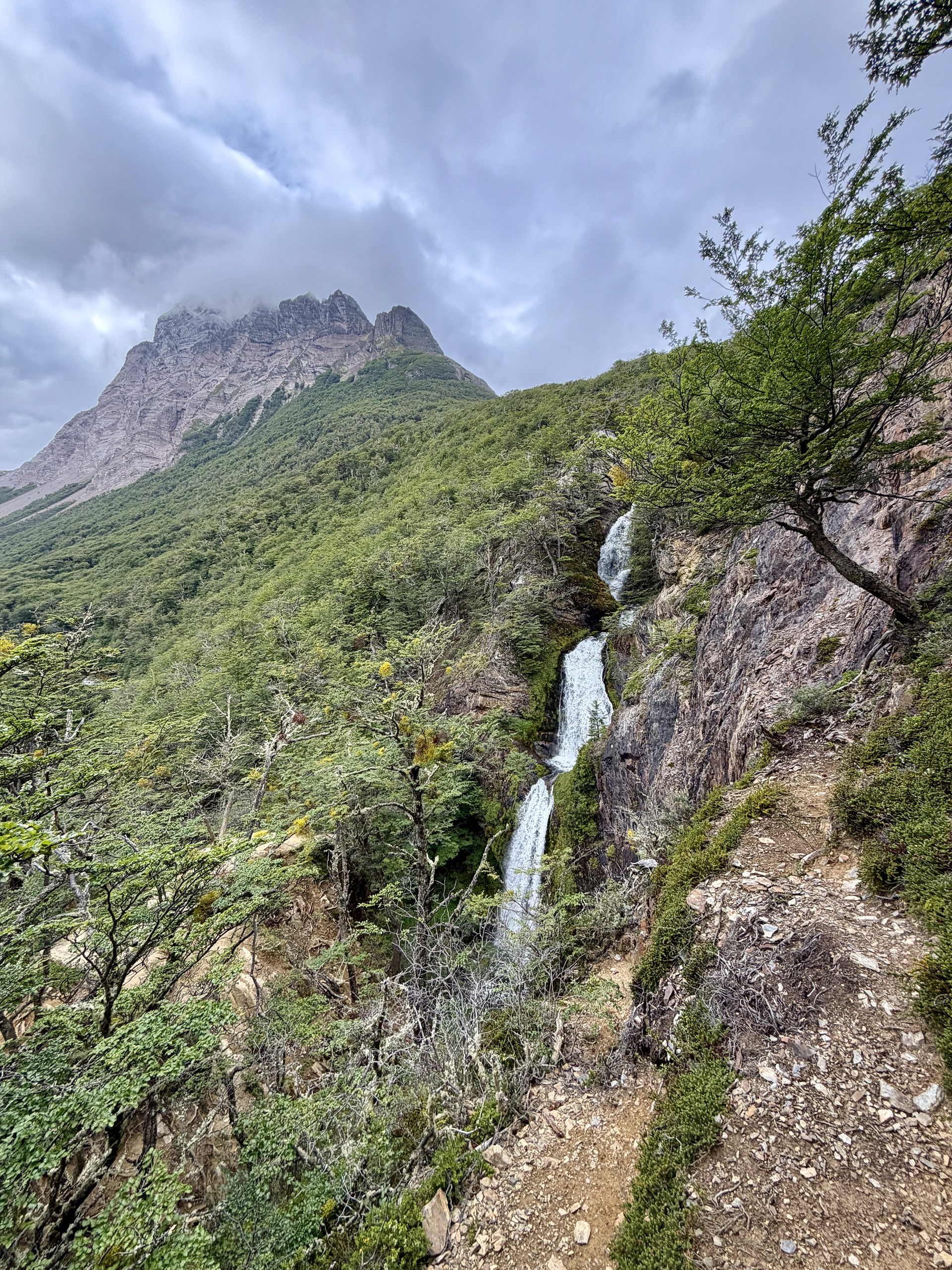
Because the ship returns to Ushuaia early in the morning, we had the whole day for the town and its surroundings. We visited the prison museum – honestly, not a highlight – and then, in the afternoon, rented a car and drove a short way out of town along Ruta 3 to the Cascada Velo de Novia, the Bridal Veil Waterfall. It’s a quick, well-marked walk from a roadside trailhead at the foot of Monte Olivia, barely outside the city.
There was a specific reason we rented the car, but that belongs to the next day.
Day 15 – Tierra del Fuego National Park and the Flight to El Calafate
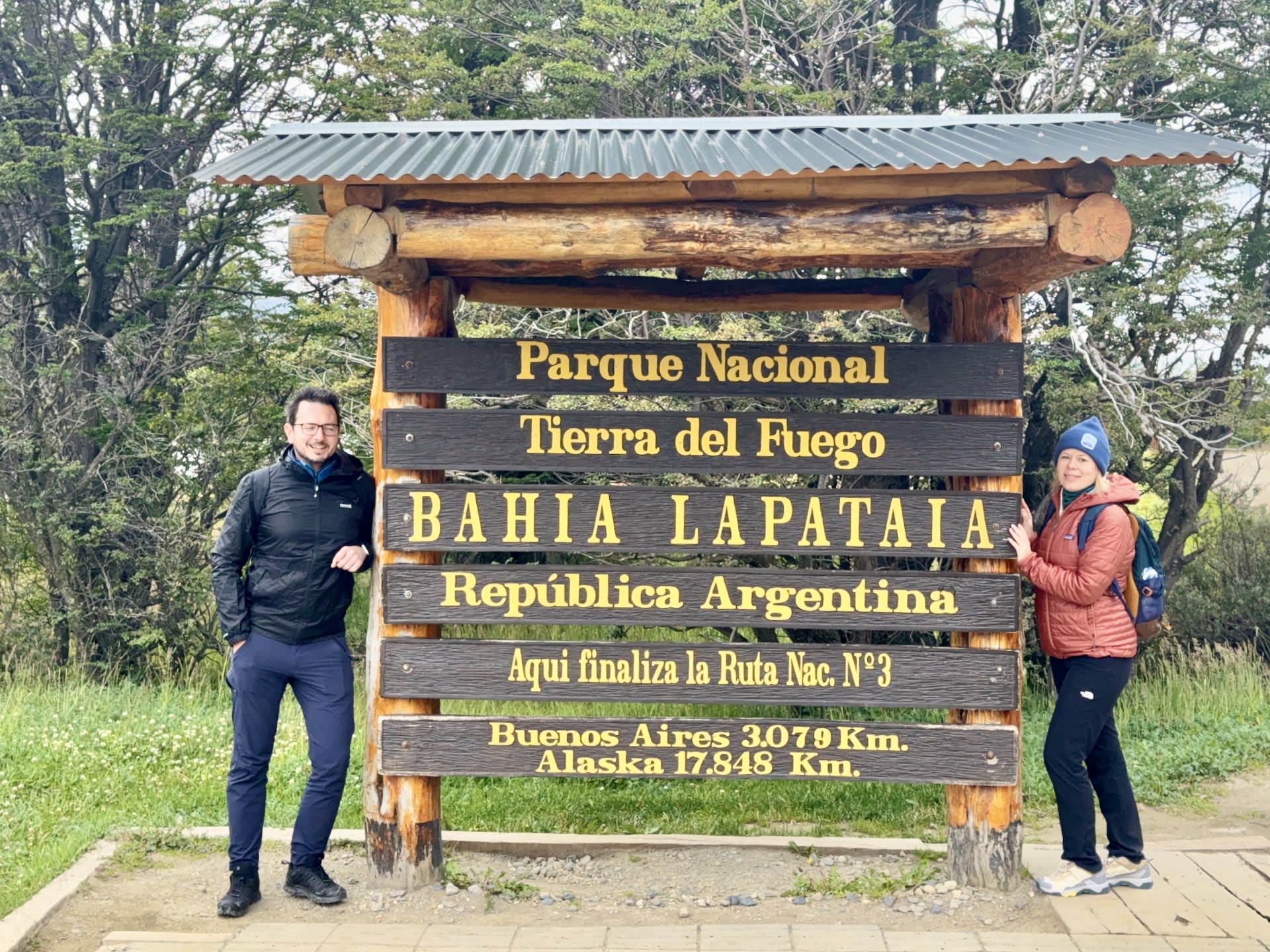
So we set out in the morning for Tierra del Fuego National Park – the end of the world. We saw the End of the World post office, the various “end of the world” markers, and the point at Lapataia Bay where the Pan-American Highway finally runs out. After a few short walks in the park, we dropped off the car at the airport and caught our afternoon flight and headed for Patagonia proper – specifically, El Calafate.
Day 16 – Perito Moreno Glacier and the Bus to El Chaltén
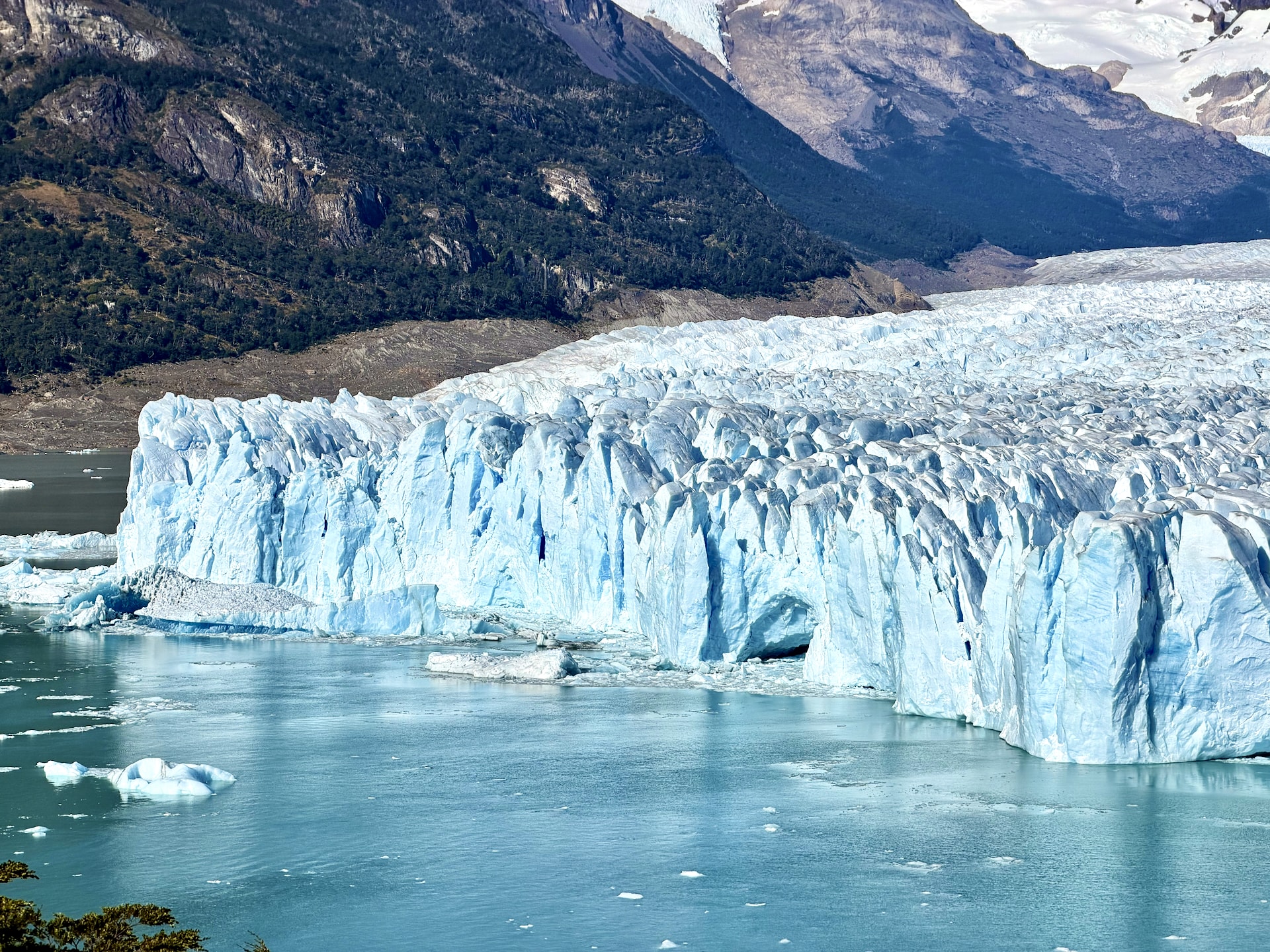
We’d planned only one night in El Calafate, which is tight, so the day was tightly choreographed. Early in the morning, a private transfer – arranged in advance with Trayecto Patagónico – took us out to the Perito Moreno Glacier. We saw the glacier, came back, had lunch in El Calafate, then boarded the afternoon bus to El Chaltén, arriving in the evening.
Days 17–19 – El Chaltén and Los Glaciares National Park
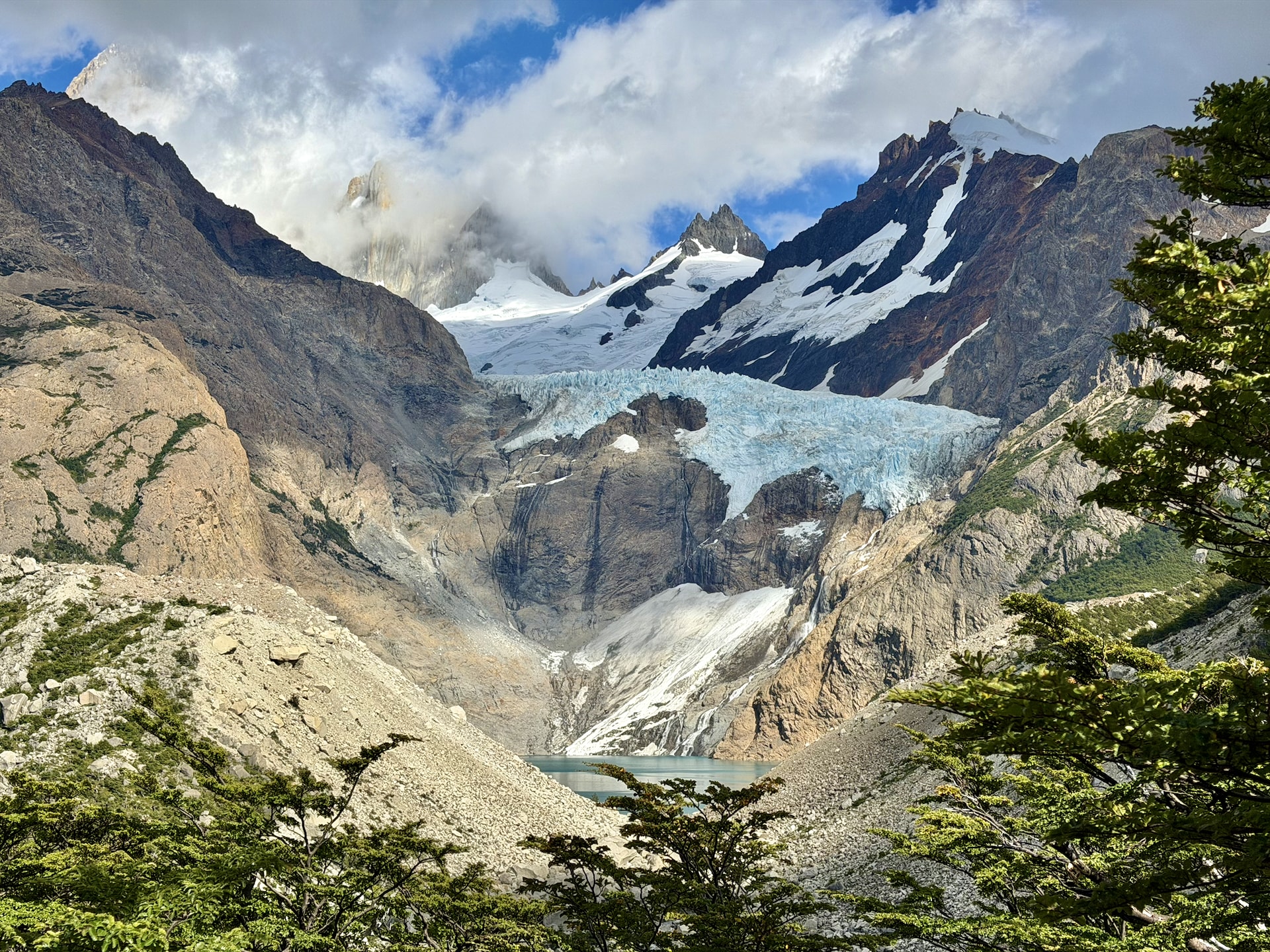
El Chaltén sits inside Los Glaciares National Park, and we gave it four nights – which, in practice, means three full, usable days. We hiked, of course, to the famous Fitz Roy, on the trail that ends at Laguna de los Tres, the classic viewpoint. That was the big hike. Around it we fit several shorter ones.
Three full days is enough for a good amount. If Patagonian weather cooperates, you can manage two big hikes on two separate days, plus a couple of shorter ones on a third – four walks in all, if you’re efficient. Beyond the trails, it’s worth spending a little time in the town itself and walking out to the bouldering crags on the edge of town.
Day 20 – El Chaltén to Puerto Natales
This is a full day of travel, because getting from El Chaltén to Puerto Natales, in Chile, means a long bus journey. You change at El Calafate, so the route is really El Chaltén to El Calafate, then El Calafate to Puerto Natales. We left early and arrived in the evening.
The scenery is mostly magnificent, but a bus day is still a bus day. The route also crosses the Argentina-Chile border.
The El Chaltén to Puerto Natales journey crosses the Argentina–Chile border, so keep your passport handy and allow time for the crossing. Don’t carry fresh fruit, meat, or dairy across – Chilean customs is strict about agricultural products, and they will check.
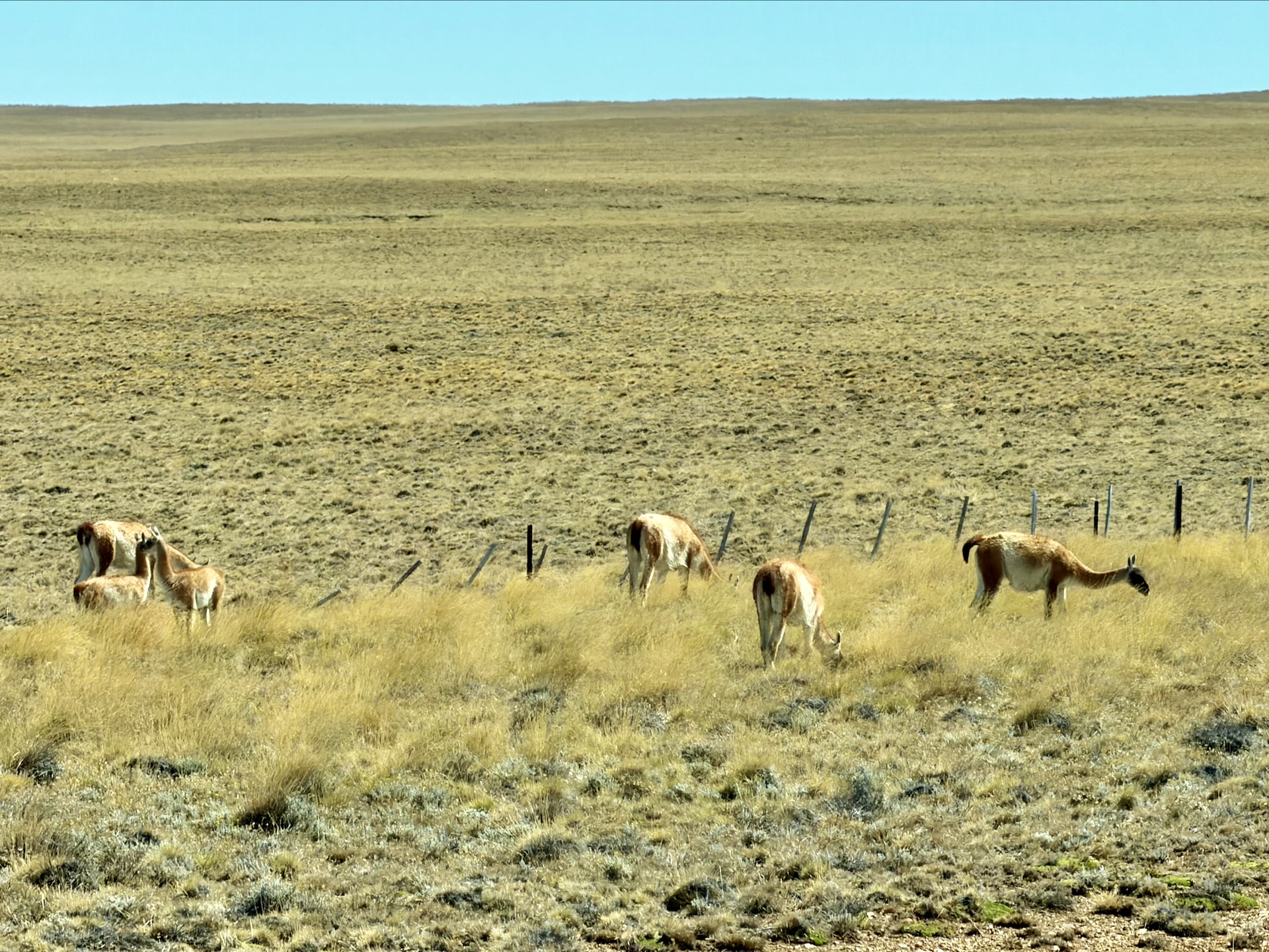
Days 21–22 – Torres del Paine National Park
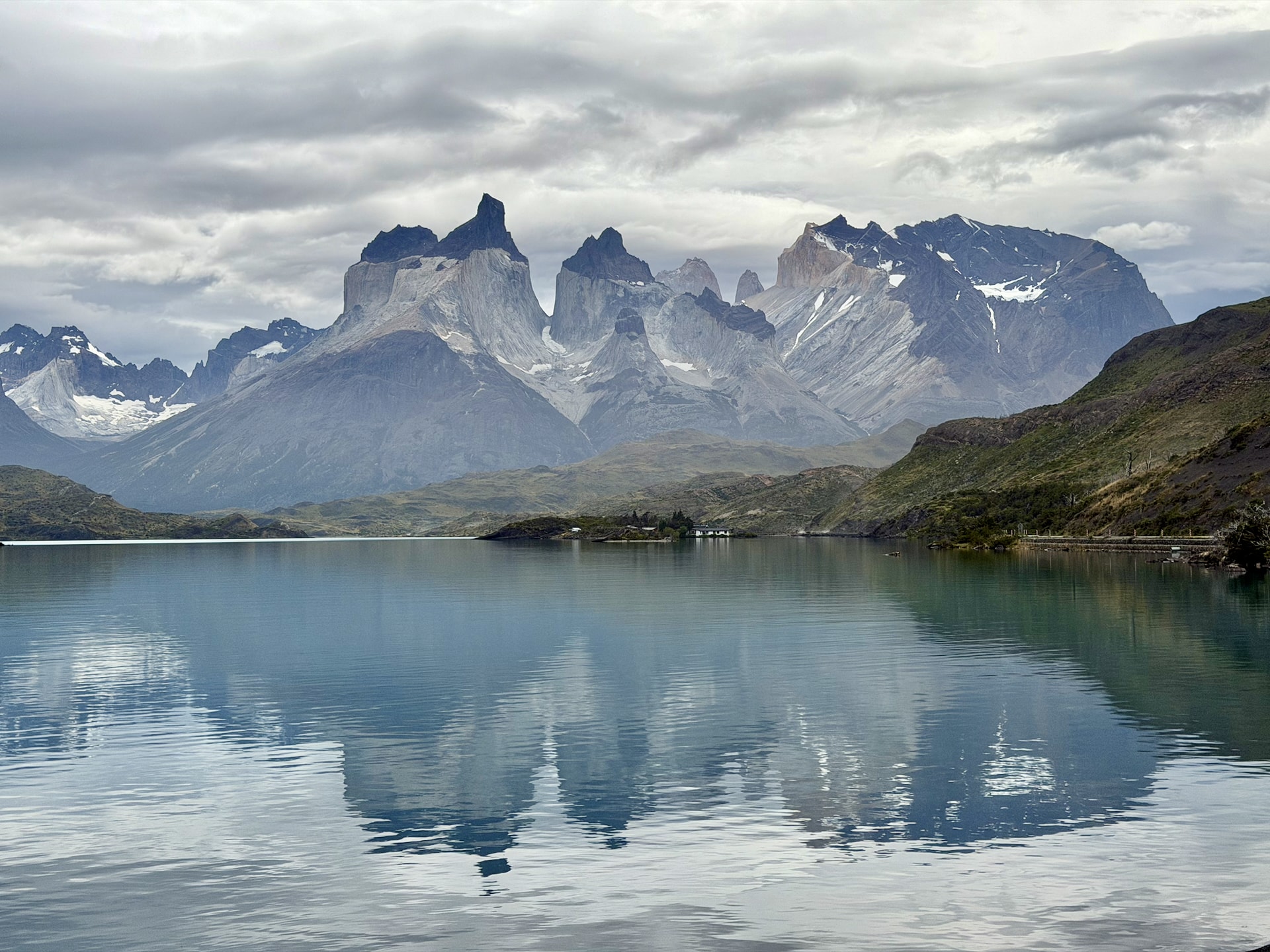
This is probably the weakest point of the itinerary: it allows only two full days in Torres del Paine National Park.
We based ourselves in Puerto Natales, because accommodation inside the park was very expensive – even simple, tent-style or hostel-type options cost enough that they didn’t make sense for our budget. The trade-off was driving the distance into the park each morning, from a place a little outside Puerto Natales itself.
Luck wasn’t with us here. On the first day, a flat tire slowed our entry into the park – we picked it up several kilometers before we even reached the park entrance. On the second day the weather was poor, and we couldn’t hike up to the Mirador Base Las Torres, the viewpoint below the famous towers. We did shorter walks instead and explored the park by car.
If there’s one part of this itinerary worth extending by a few days, this is it.
Patagonia’s gravel roads are hard on tires, and flats are common. Before you drive off in a rental car, check that the spare is inflated and that the jack and wrench are actually in the vehicle. A flat on a remote ripio road is far less stressful when you’re equipped for it.
Days 23–25 – Santiago
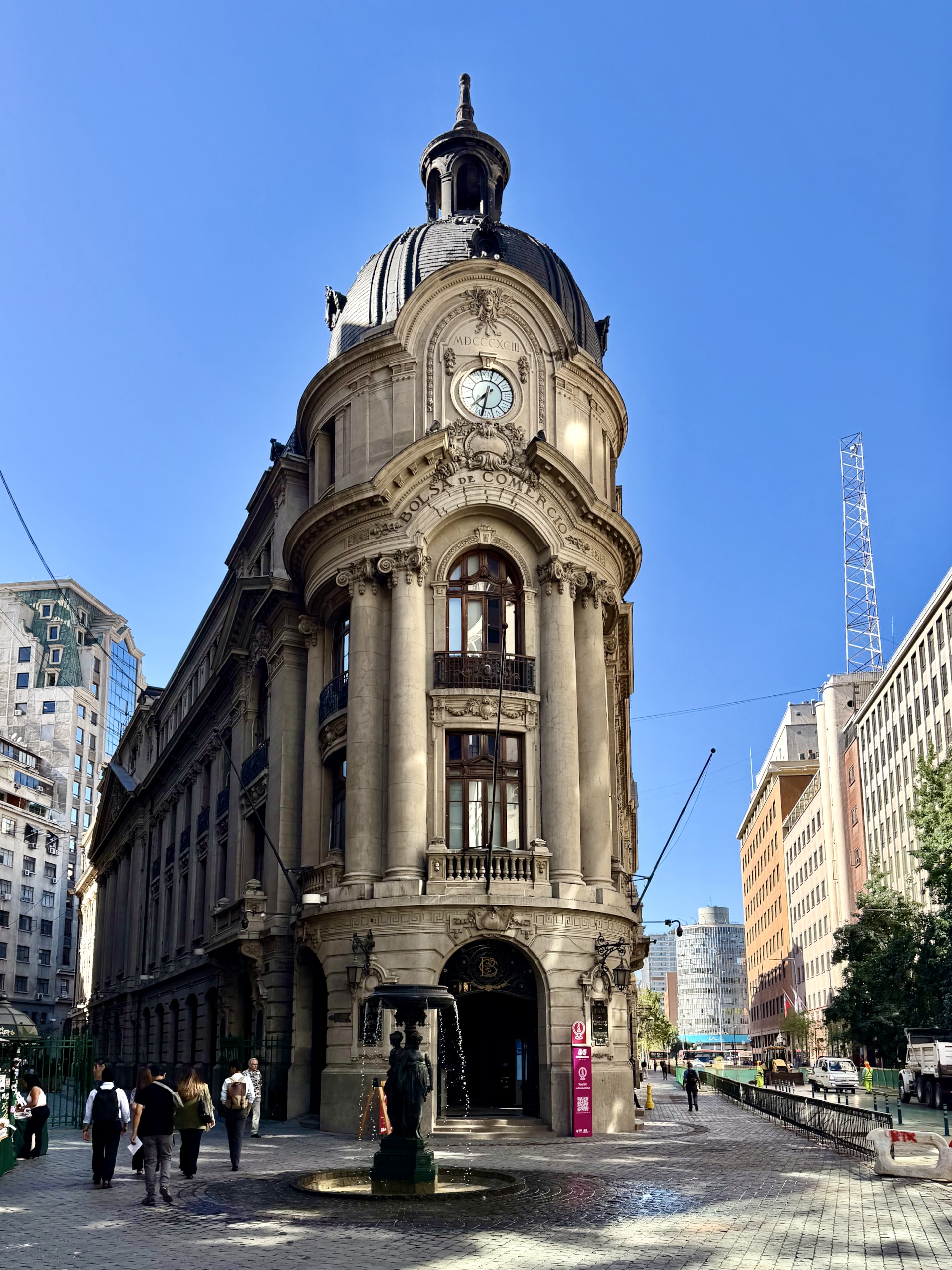
We left Puerto Natales on the morning of day 23 and flew to Santiago, which left us a half-day in the city on arrival. By this point we were tired – 8,000 km of travel will do that – so we kept things deliberately relaxed. Three nights felt like enough for the city itself, though you could easily visit the surroundings too. Valparaíso, for one, makes an easy day trip, even if we didn’t make it there.
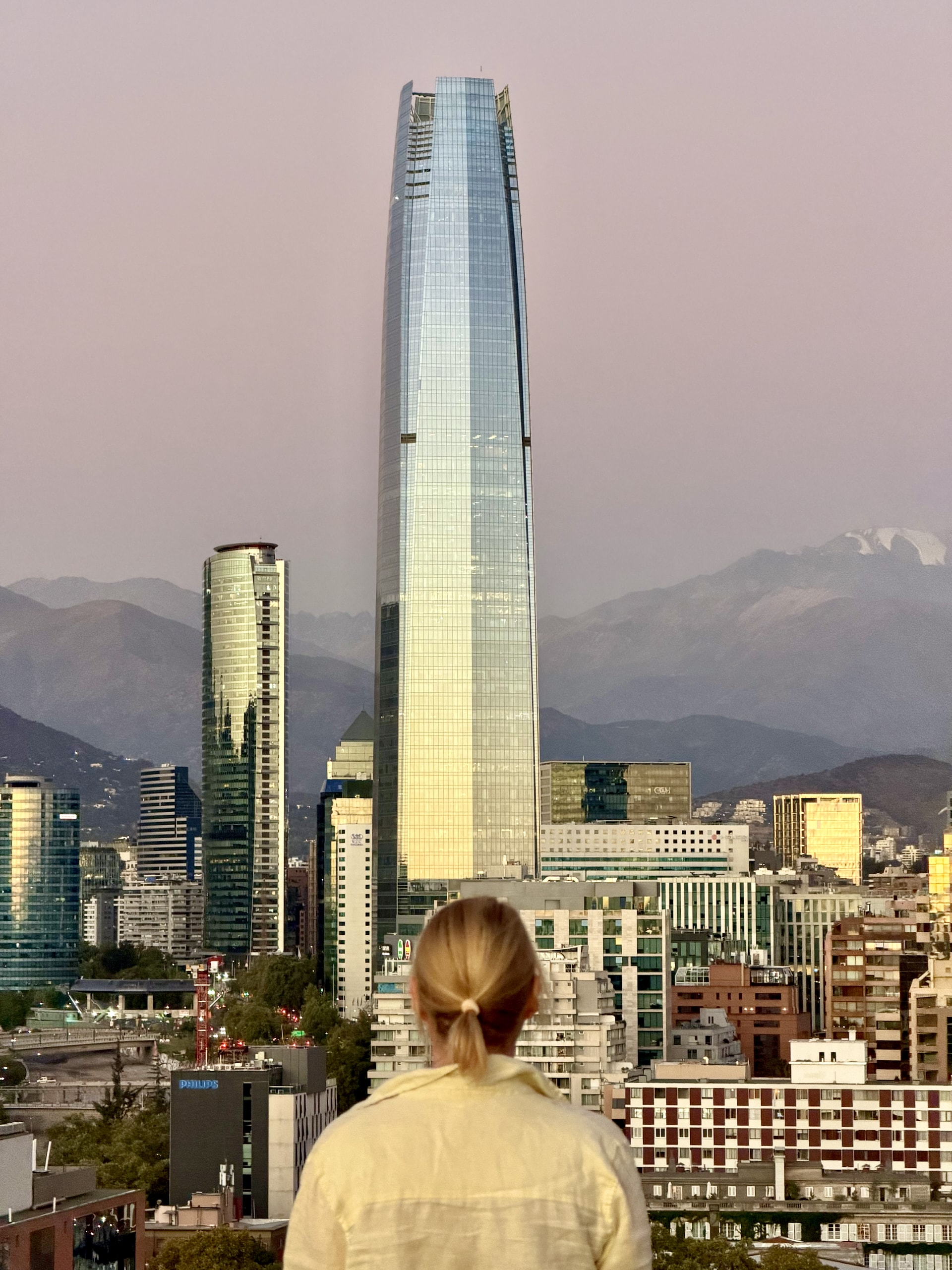
We did a couple of walking tours, and then there was the standout: for my 40th birthday, Andrea had arranged a helicopter ride over the city and this stretch of the Andes, which was superb. We also went up Cerro San Cristóbal, the hill crowned by its statue of the Virgin Mary, rode the cable car, and made full use of the rooftop pool at our Airbnb. Santiago, for us, was the chill end of the trip.
Day 26 – The Journey Home
And so the end of this enormous trip arrived. Our flight left in the morning, so there was little time for anything else that day. That was our four-week Patagonia–Antarctica loop.
What We’d Do Differently (and What If You Skip Antarctica?)
If we could have stretched the trip to a full month – if our vacation days and the flight schedules had allowed it – we’d have added at least one or two more nights in Puerto Natales, even at the cost of one fewer night in Santiago.
It’s a little hard to admit, but Santiago de Chile didn’t win us over. I’d assumed I’d warm to it more than to Buenos Aires; it turned out to be the opposite. Buenos Aires could have used another day or two as well. Honestly, every stop could have.
But the more useful question is this: what if you don’t go to Antarctica, but still plan four weeks for Patagonia and Tierra del Fuego? That frees up roughly eight days to redistribute.
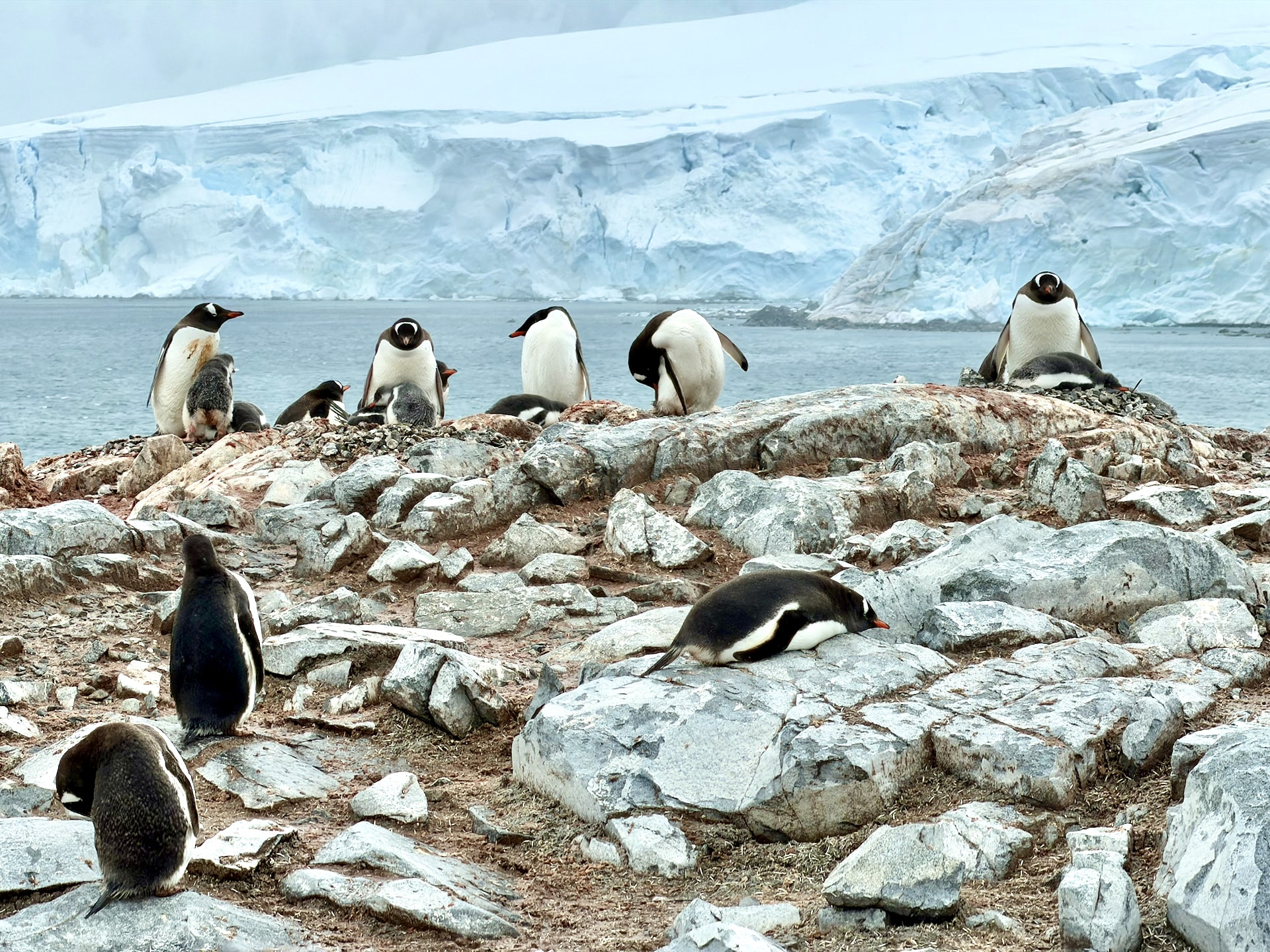
Why eight and not ten? Because we’d still go to Ushuaia no matter what, so two of those days would go straight back to Ushuaia and Tierra del Fuego National Park. That leaves six. We’d add one to Buenos Aires, leaving five. Then two more to El Chaltén and three to Puerto Natales – though you could easily flip those – and El Calafate could absorb an extra day too. In short, we’d spread about six of the eight days across the El Calafate–El Chaltén–Puerto Natales triangle.
If you’re feeling ambitious, you could instead keep every southern stop exactly as long as we had it and add the Iguazú Falls, on the border of northern Argentina and Brazil. Iguazú needs at least two nights to make logistical sense. The catch is the flying: there’s no direct route between Iguazú and Ushuaia, so you’re looking at connections and a lot of time in the air. JetSmart does fly from Santiago, so it can be puzzled together – but it’s fiddly. We decided we’ll be back in South America eventually, and Iguazú is a far easier place to reach than Antarctica or Tierra del Fuego.
How Much Did This Trip Cost?
Here’s what the whole trip cost us. Naturally, your own numbers will depend on where you stay, what you do, whether you include Antarctica, and how you get around – both between regions and within cities. This was a medium budget: entirely normal, reasonable accommodation, a mix of hotels and Airbnbs, nothing rock-bottom and nothing fancy. We often ate at restaurants more than once a day, and at least once a day as a rule – we barely cooked, though we picked up groceries here and there, and those show up in the figures too.
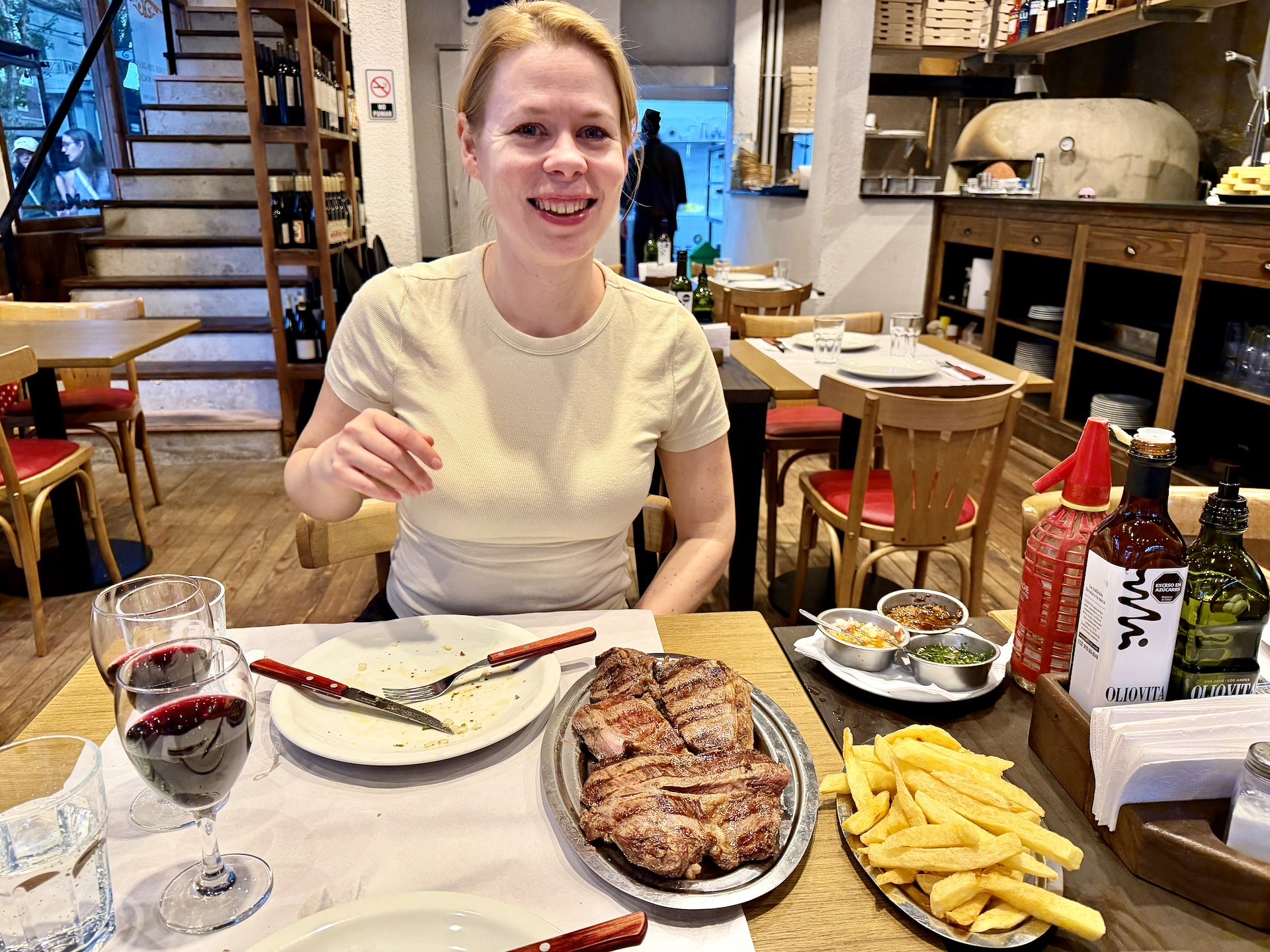
Everything below is calculated for two people. That matters for some lines more than others: car rental, for instance, works out very differently per person if you travel solo or in a larger group. Antarctica is its own subject, and we won’t dwell on it here – our other articles cover it in full.
| Category | Total (2 people) | Per Person | Per Day | Per Person/Day | Notes |
|---|---|---|---|---|---|
| Accommodation | $1,858 | $929 | $71 | $36 | All lodging – Airbnbs and hotels |
| Activities | $724 | $362 | $28 | $14 | Tours, national park entry fees, the tango show, and similar |
| Antarctica | $20,911 | $10,455 | – | – | Everything tied to the Antarctica cruise, including the fare and tips |
| Car Rental & Fuel | $455 | $227 | $17 | $9 | All car rental and fuel costs |
| Food & Drink | $980 | $490 | $38 | $19 | Restaurants, cafés, and anywhere else food or drink is served |
| Groceries & Shopping | $205 | $103 | $8 | $4 | Supermarket runs, pharmacy items, and other small purchases |
| Internal Flights | $342 | $171 | – | – | Domestic flights within Argentina and Chile |
| International Flights | $1,939 | $970 | – | – | Getting to Buenos Aires and home from Santiago |
| Other | $54 | $27 | $2 | $1 | Laundry, ATM fees, luggage storage, and other odds and ends |
| Transportation | $295 | $148 | $11 | $6 | Intercity buses, city public transport, taxis, and ride-hailing |
| Total trip | $27,764 | $13,882 | $1,068 | $534 | The complete trip, everything included |
| Total without Antarctica | $6,854 | $3,427 | $264 | $132 | The trip minus the Antarctica cruise |
| Total without Antarctica & international flights | $4,914 | $2,457 | $189 | $95 | The on-the-ground cost of the Patagonia portion |
A couple of lines deserve a note. The Ushuaia–El Calafate internal flight was booked with airline miles, so its cash cost is unusually low and pulls that average down. And international flights vary enormously depending on where you start from – ours reflect a journey from Europe.
Four weeks, two countries, one continent of ice, and a little over 8,000 km on the ground: it remains one of the most ambitious trips we’ve done, and – flat tire and washed-out viewpoint included – one of the best.