We’ve already shown you how to plan an Antarctic expedition, mapped out the full route from Buenos Aires to the Peninsula, walked you through our ten-day Classic Antarctica Cruise day by day, reviewed our ship, the M/V Ocean Albatros, and even proved that you can pack for Antarctica and Patagonia in a single bag. But there’s one question we haven’t answered yet – the one everyone asks when they find out how much an Antarctic expedition costs:
Was it actually worth it?
This is a more personal article than what we usually write. Because it turns out the answer isn’t really about money.
The Bucket List Confession
I need to be honest about why I was planning this trip originally.
For nearly a decade, Antarctica sat on my list as a checkbox. I was a continent collector – someone chasing the goal of setting foot on all seven continents before turning 40. Antarctica was the last one, the expensive one, the logistically complicated one. But ultimately? For a long time, it was a line item. A thing to tick off.
I’m a little embarrassed to admit this now. But I think it matters, because what happened next was something I genuinely didn’t expect – and it’s the reason I’m writing this article instead of just posting a cost breakdown.
We’ll get to that. First, the numbers.
Antarctica Expedition Cost Breakdown: What We Actually Paid
To properly answer whether an Antarctic trip is worth it, we need to talk about what it costs. We covered the expedition booking process in detail in our planning guide, but here’s the full picture – every dollar we spent getting to and from Antarctica, per person.
A few important notes: these costs are per person, based on two people sharing a cabin and hotel rooms. We traveled in January – February 2026. Antarctica was one part of a longer South American trip, but we’ve stripped out everything related to Patagonia – these are only the costs directly tied to reaching Antarctica and back.
| Expense | Cost (per person) | Notes |
|---|---|---|
| Return flights to Buenos Aires | $970 USD | Budapest – Istanbul – Buenos Aires with Turkish Airlines (economy). We returned from Santiago, so this was a multi-city ticket. Prices vary hugely depending on origin and booking timing. |
| Accommodation in Buenos Aires (3 nights) | $100 USD | Airbnb in the Palermo neighborhood. You could fly straight to Ushuaia, but realistically you’ll want at least one night in Buenos Aires after a long-haul flight – and the city deserves more. |
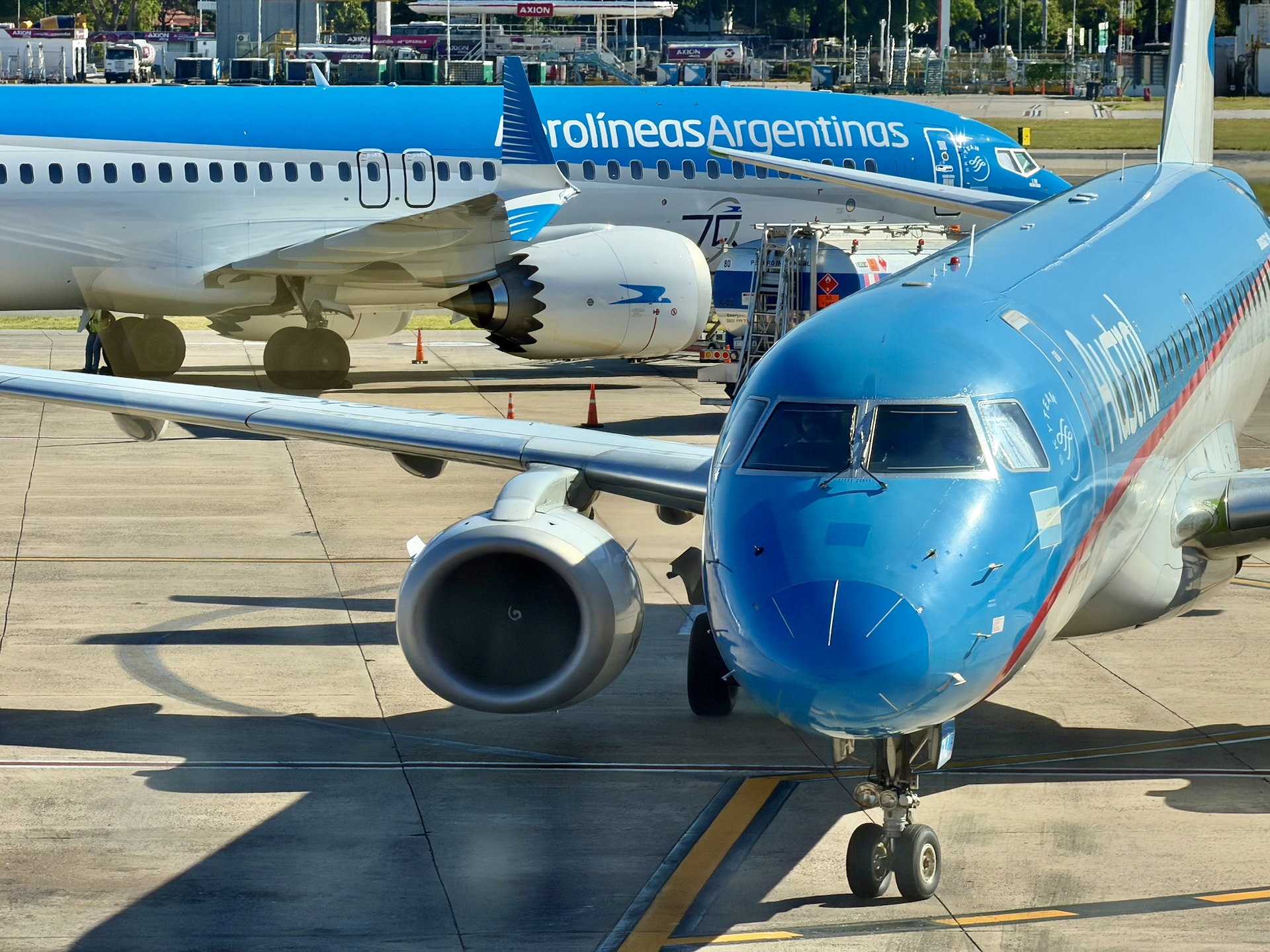
| Return flights Buenos Aires – Ushuaia | $245 USD | Aerolíneas Argentinas. We flew one-way and used award points for the ongoing trip to El Calafate, so this is an estimated round-trip cost (basically I doubled the price of our one-way ticket). Checked bag included. |
| Accommodation in Ushuaia (1 night) | $52 USD | A small hostería outside the city center. We strongly recommend arriving a day early – flight cancellations to Ushuaia are common, and you don’t want to miss your ship. |
| Food and drinks (Buenos Aires & Ushuaia) | $150 USD | All meals, coffee, and drinks in Buenos Aires and Ushuaia before and after the expedition. Everything on board the ship is included in the cruise fare. |
| Groceries and shopping | $25 USD | Small purchases – pharmacy items, snacks, and other odds and ends in Argentina. |
| Activities (Buenos Aires) | $182 USD | Walking tours, museum tickets, a tango show one evening, and luggage storage in Buenos Aires for half a day. |
| Local transportation | $23 USD | Public transport in Buenos Aires, plus Uber and Cabify rides. |
| 10-Day Antarctica Classic Cruise | $10,281 USD | The M/V Ocean Albatros with Albatros Expeditions. By far the largest single expense. See our planning guide for how and when we booked. |
| Spending on board (tips, drinks, souvenirs) | $201 USD | Tipping is optional but well-deserved. Beyond that, we barely spent anything on board. You could bring this close to zero, but after experiencing the crew’s dedication, you probably won’t want to. |
| Gear and equipment | $100 USD | Waterproof pants, a phone case, gloves. Not much – the expedition company provides complimentary parkas and loan boots for shore landings, which removes the two bulkiest and most expensive items from the list. See our packing guide for the full breakdown. |
| Travel insurance | $25 USD | IMG Patriot Platinum plan with $1,000,000 in emergency medical evacuation coverage, purchased specifically for the Antarctic leg. Our regular travel insurance covered the rest of the trip. |
| Total | $12,354 USD |
Over twelve thousand dollars per person. By far the most expensive trip we’ve ever taken.
And yes – for roughly four and a half actual days on the Antarctic continent.
Antarctic expedition prices vary enormously depending on your cabin category, the time of season, how far in advance you book, and whether you catch a last-minute deal. Our price represents a double cabin booked well in advance. Budget-conscious travelers should watch for early-season or last minute departures, which tend to be cheaper.
These numbers are specific to our trip. Your flights will cost differently depending on where you’re flying from, your cabin choice could double the cruise price, and your gear costs depend on what you already own. But the order of magnitude is right: an Antarctic expedition is a five-figure commitment.
So was it worth five figures?
When the Bucket List Broke
The shift started before we even reached Antarctica.
During those first days aboard the Ocean Albatros, crossing the Drake Passage, the expedition team began their lecture program. And something about their enthusiasm was different from anything I’d encountered in travel before. These weren’t tour guides reading from a script, but they were marine biologists, ornithologists, glaciologists, and historians who had dedicated their lives to the polar regions. And their passion was immediately contagious.
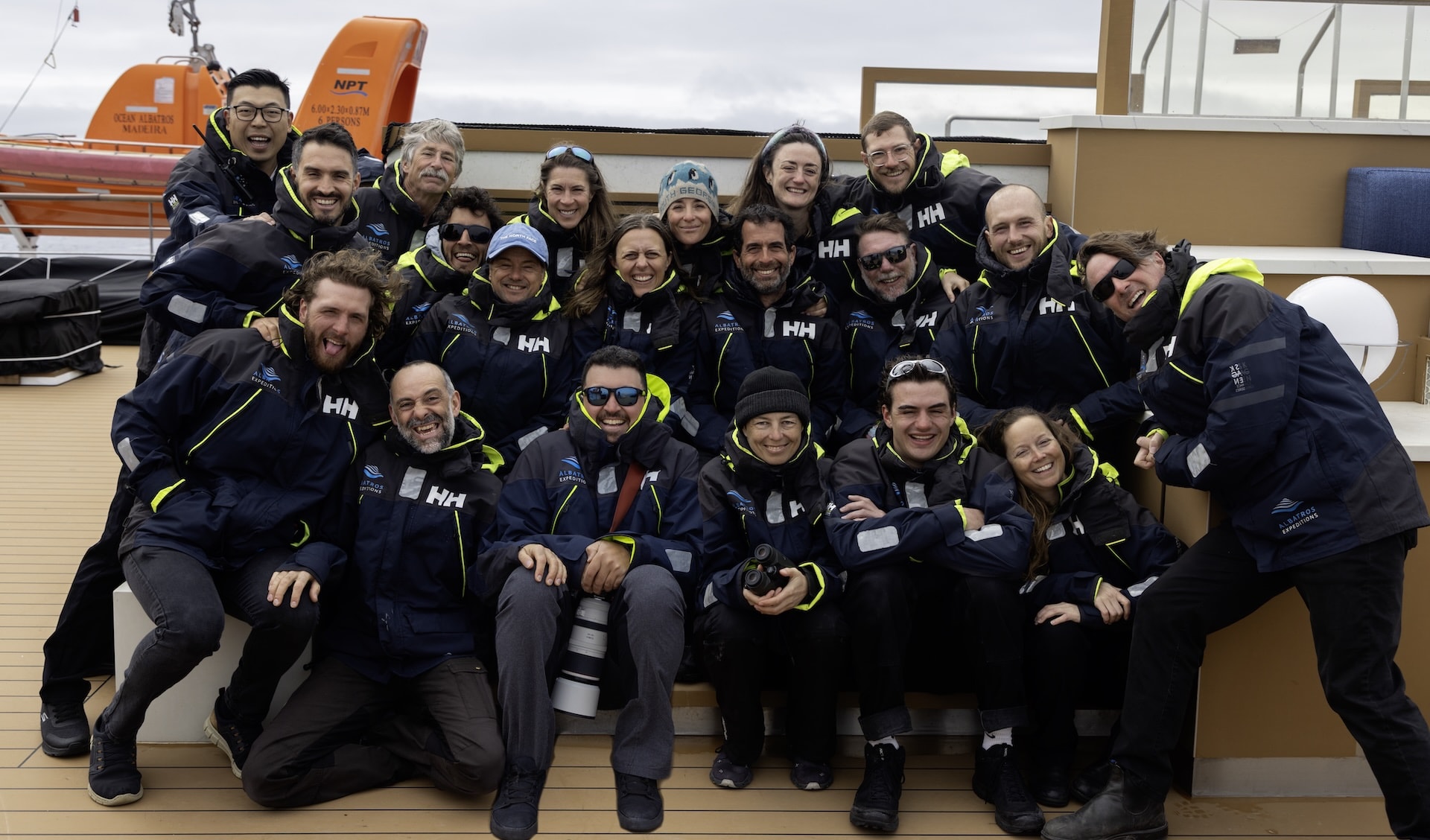
There was Franziska, the onboard ornithologist, who scanned the sky with her binoculars during every meal, searching for seabirds even while eating dinner. When we later received a group photo of the expedition team, she was holding her binoculars in the picture. That level of dedication wasn’t performed for the guests. It was just who she was.
I went into this trip having deliberately avoided watching videos, reading blogs, or scrolling through Instagram content about Antarctica. I didn’t want manufactured expectations. I wanted a blank slate. Maybe one video – Paddy Doyle’s – and that was it.
It meant I wasn’t prepared for what the continent actually does to you.
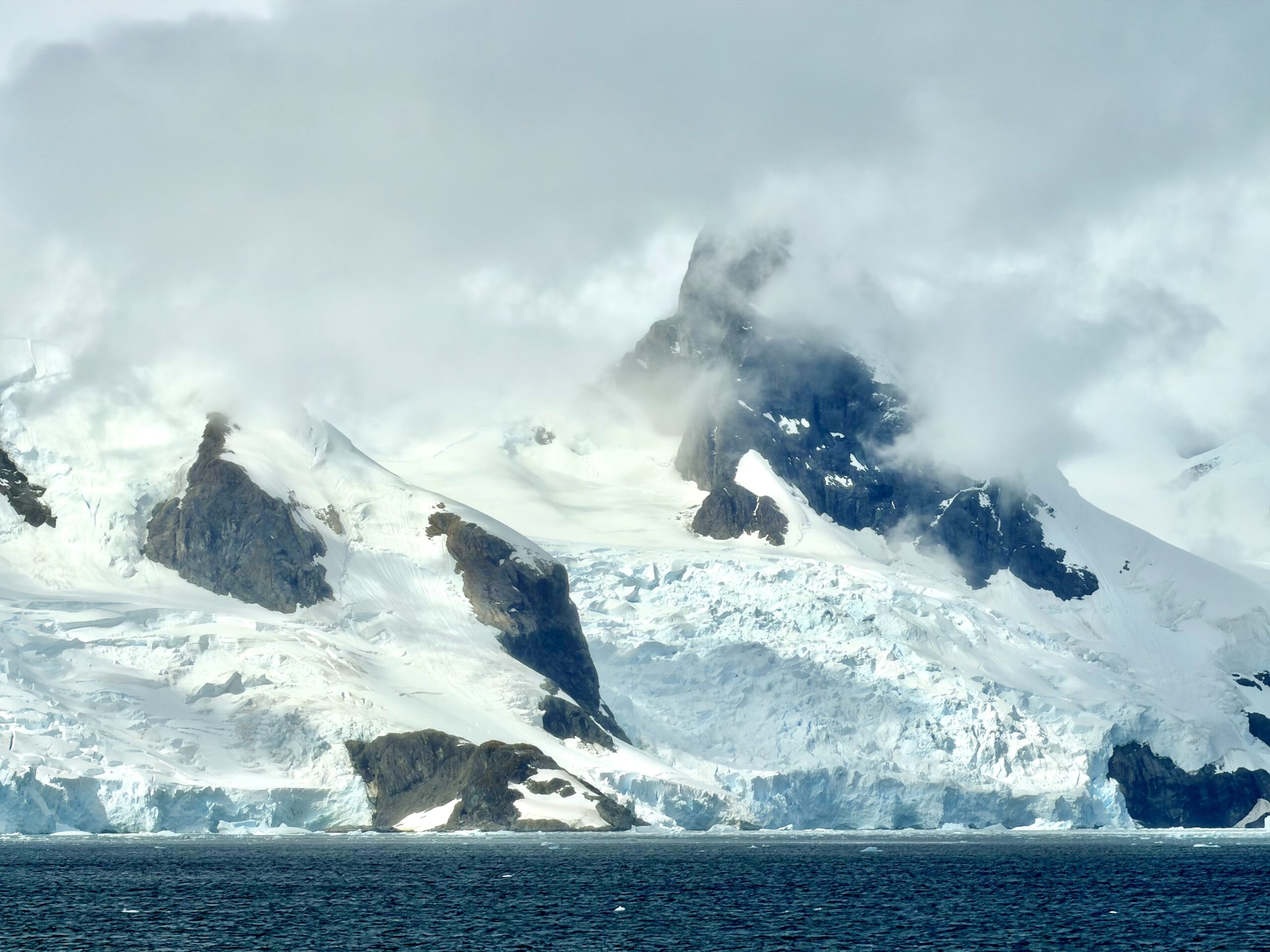
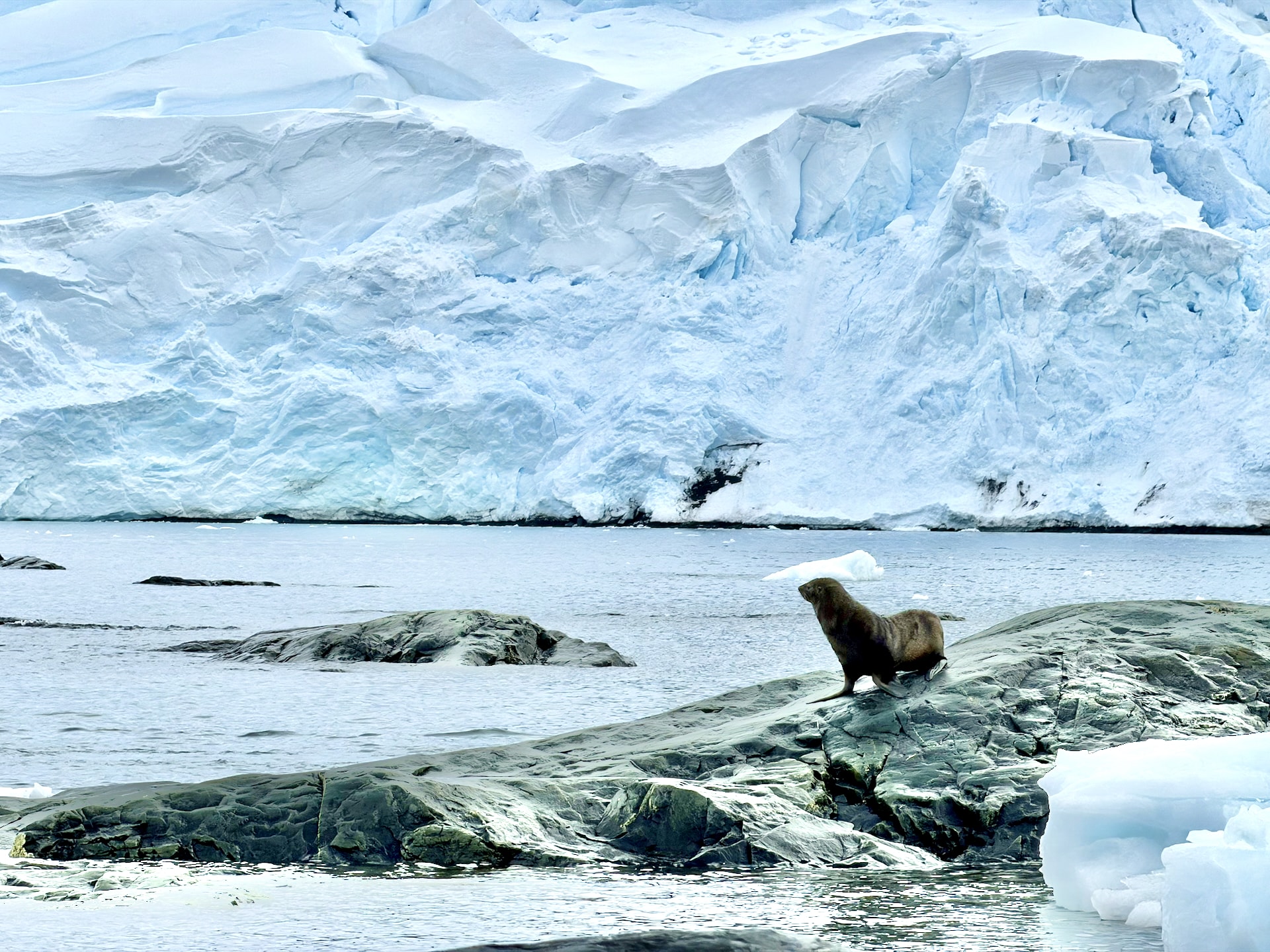
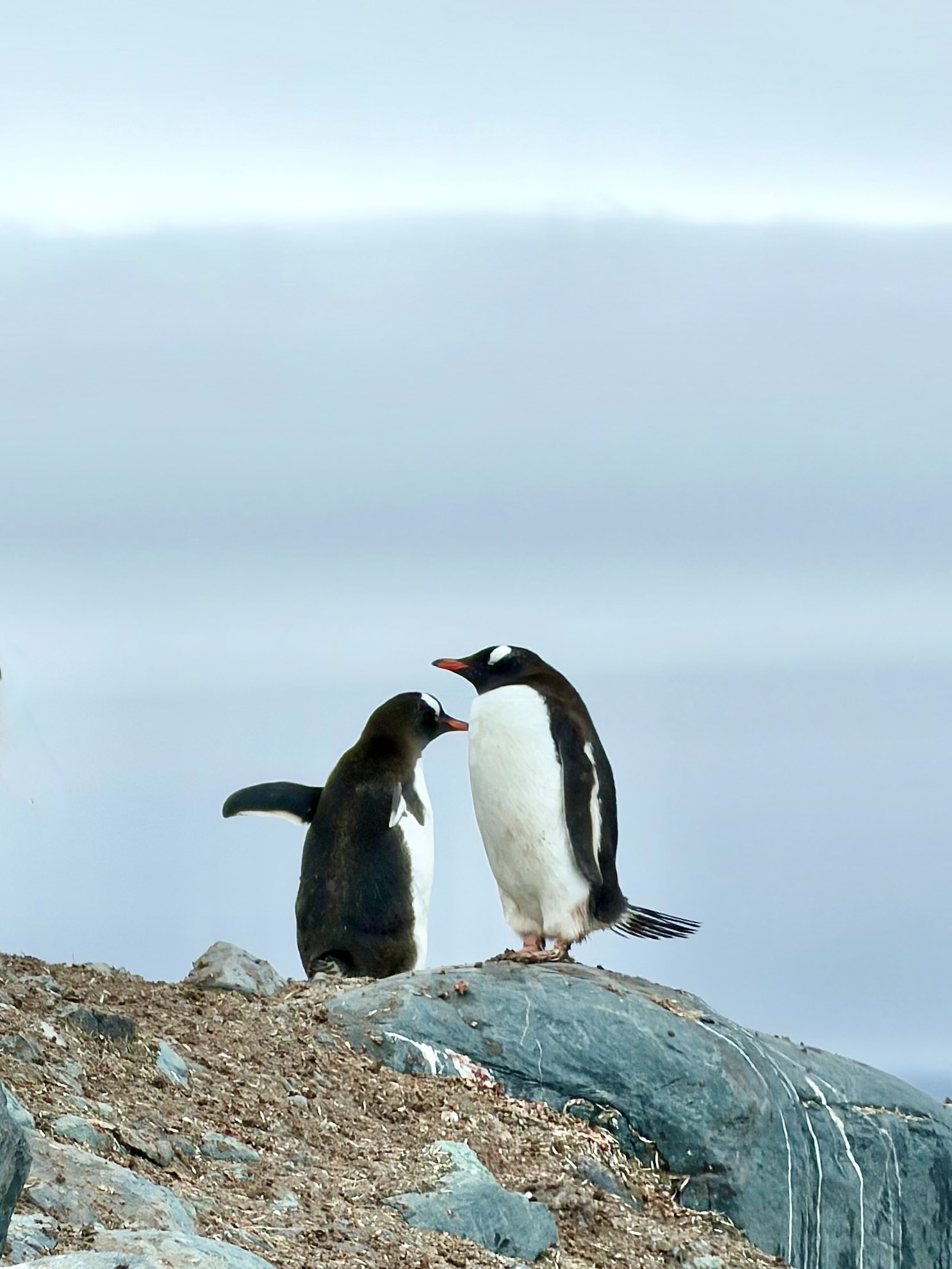
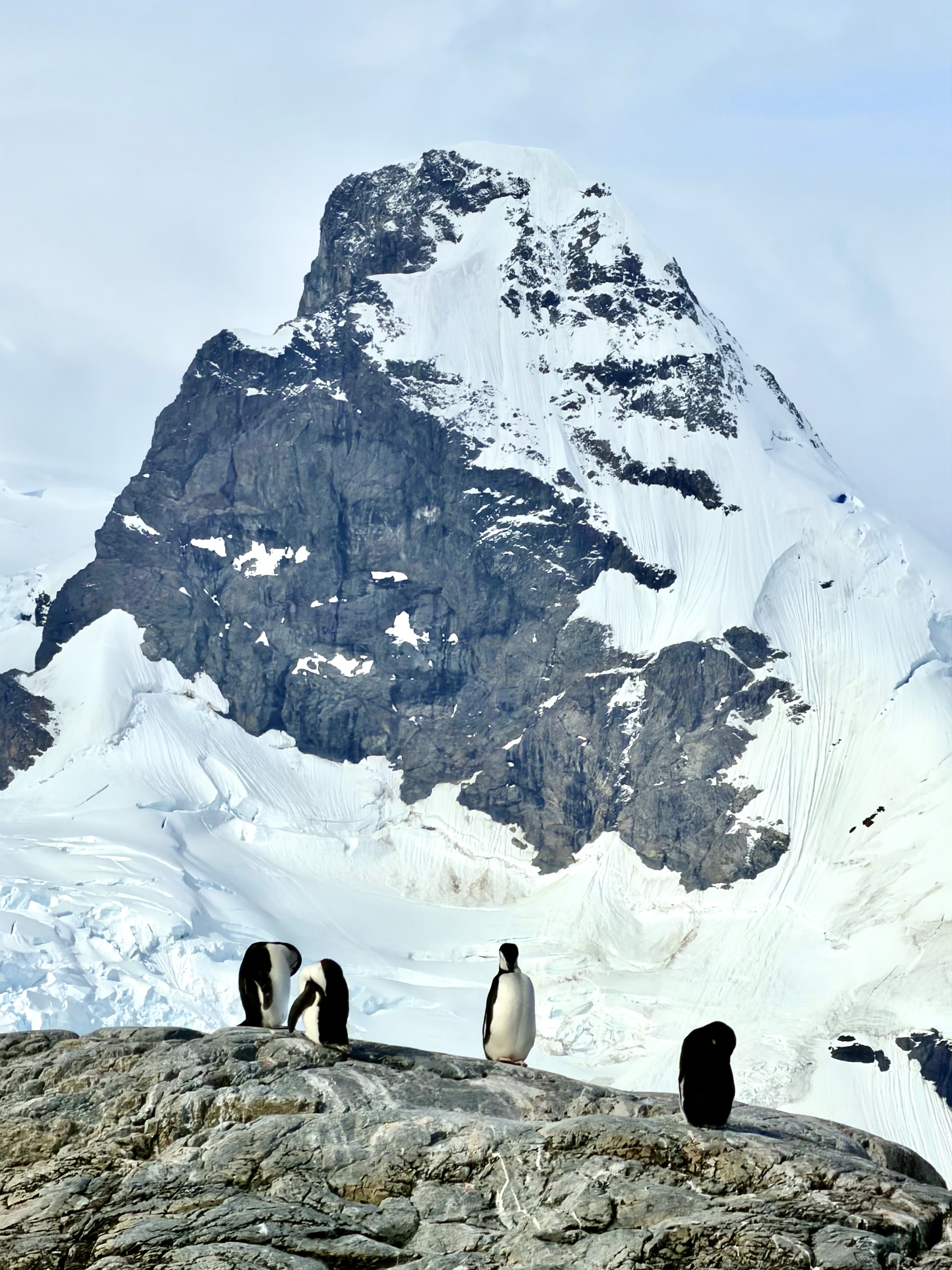
The real crack in the bucket-list mindset came when we spotted Antarctica on the horizon after two days on the Drake. Some people say they cried at first sight. I didn’t – I was too busy staring. But when we made our first shore landing on the South Shetland Islands and a chinstrap penguin waddled over to inspect my boots, something shifted. This wasn’t a zoo or a documentary. This was a creature that had never learned to fear humans, approaching us with the kind of curiosity we usually reserve for them.
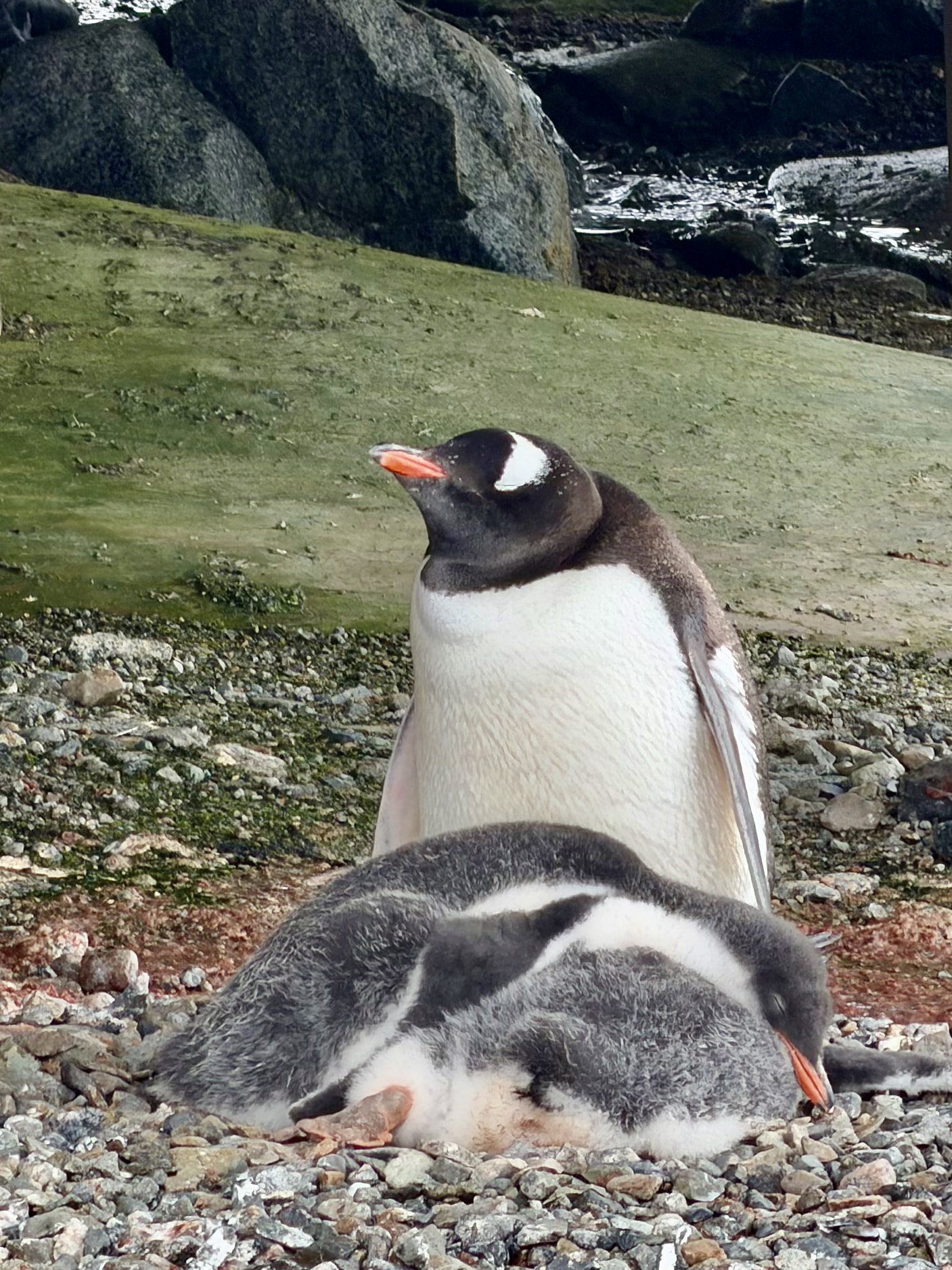
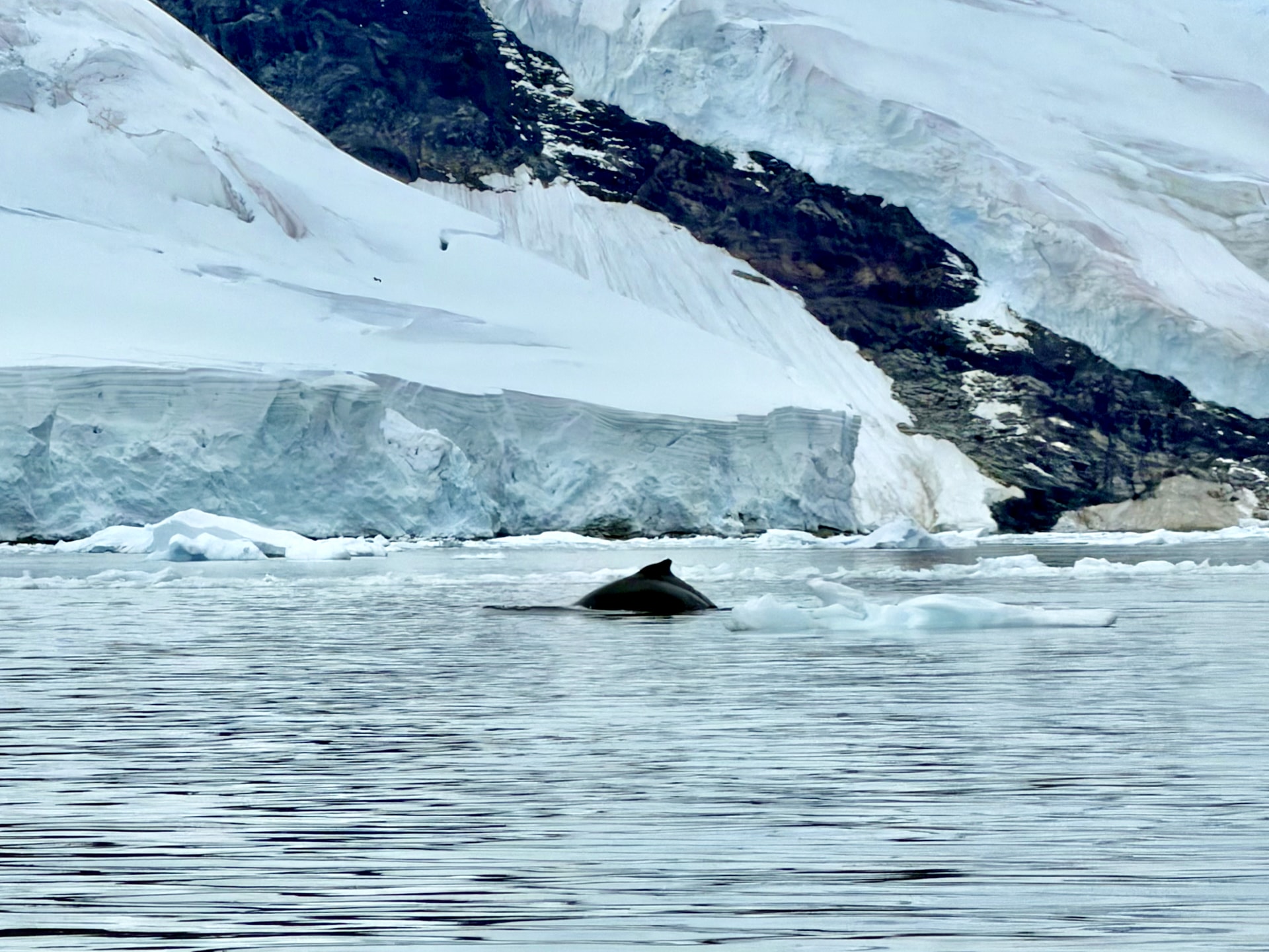
And then it just kept going. Day after day, landing after landing, the experiences compounded. Watching a gentoo penguin meticulously build a nest from pebbles, one tiny stone at a time. Sitting in silence in a zodiac while humpback whales surfaced to breathe around us – close enough to hear their exhalations, almost close enough to touch them. Standing on the continental mainland and looking in any direction, picking any random point on the horizon, and knowing that no human being had likely ever stood there.
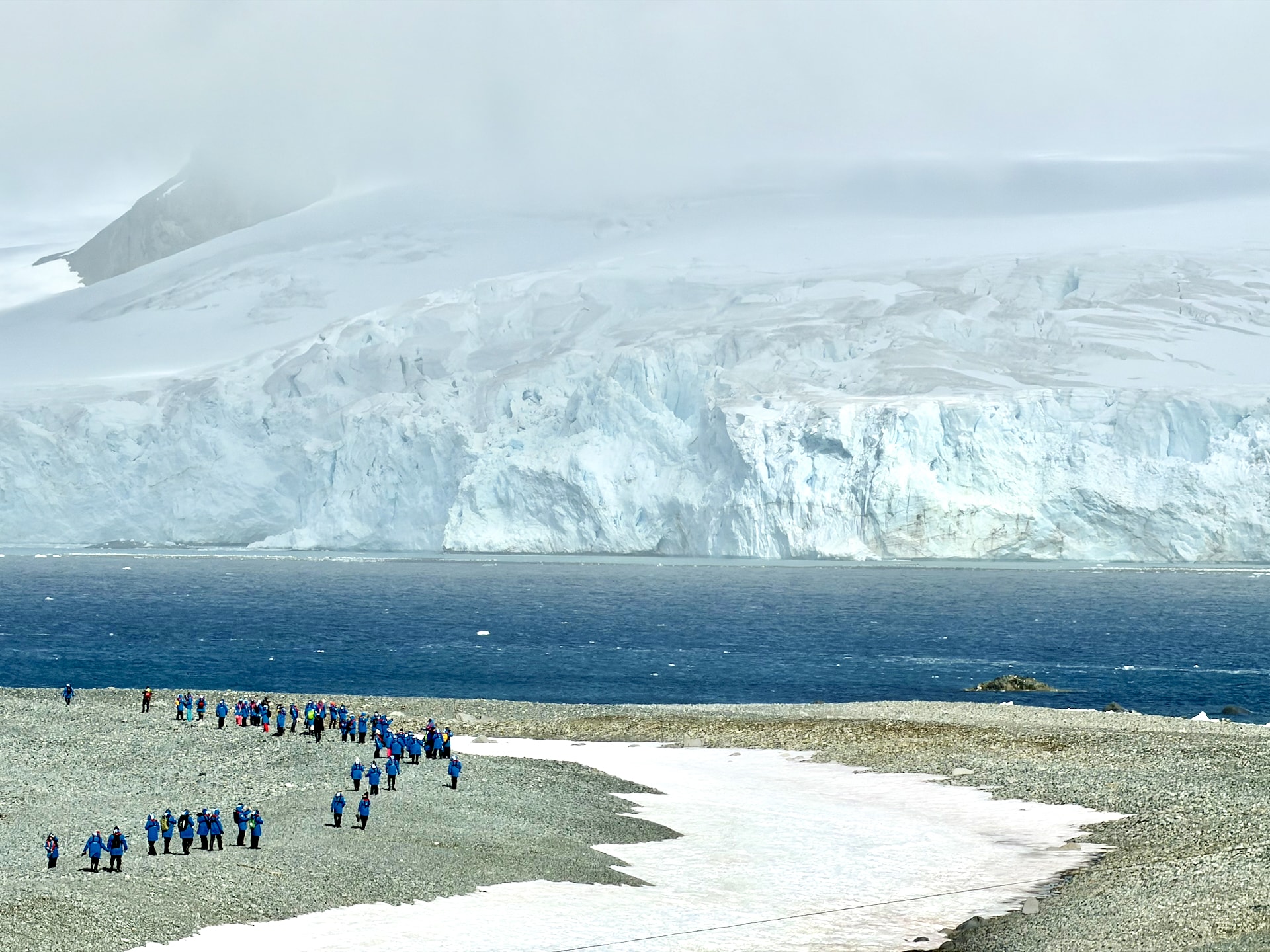
That’s the thing about Antarctica that no cost-benefit analysis can capture. It might be the closest you’ll ever get to standing on another planet. In every direction, as far as you can see, the landscape is untouched. Not “preserved” or “protected” in the way we use those words for national parks back home – actually untouched, in a way that barely exists anywhere else on Earth.
The expedition team helped us understand. Not just the beauty of it, but the science – how Antarctic ice sheets regulate global climate patterns, how the Southern Ocean’s currents drive weather systems across the entire planet, how krill populations here underpin marine food chains thousands of kilometers away. Antarctica is the engine room of the planet, and we were standing inside it.
I mentioned that I didn’t cry when I first saw Antarctica. But I need to admit something else.
On the last day, before the ship turned north toward the Drake Passage, I went up on deck alone and watched the continent recede behind us. And I cried. Partly because of how profoundly the place had affected me – this thing that was supposed to be a checkbox had rewritten something fundamental about how I see the world. And partly because of the quiet fear that I might never see it again. Or that when we may be able to return decades from now, it might not be the same pristine, innocent place it was when we were there the first time.
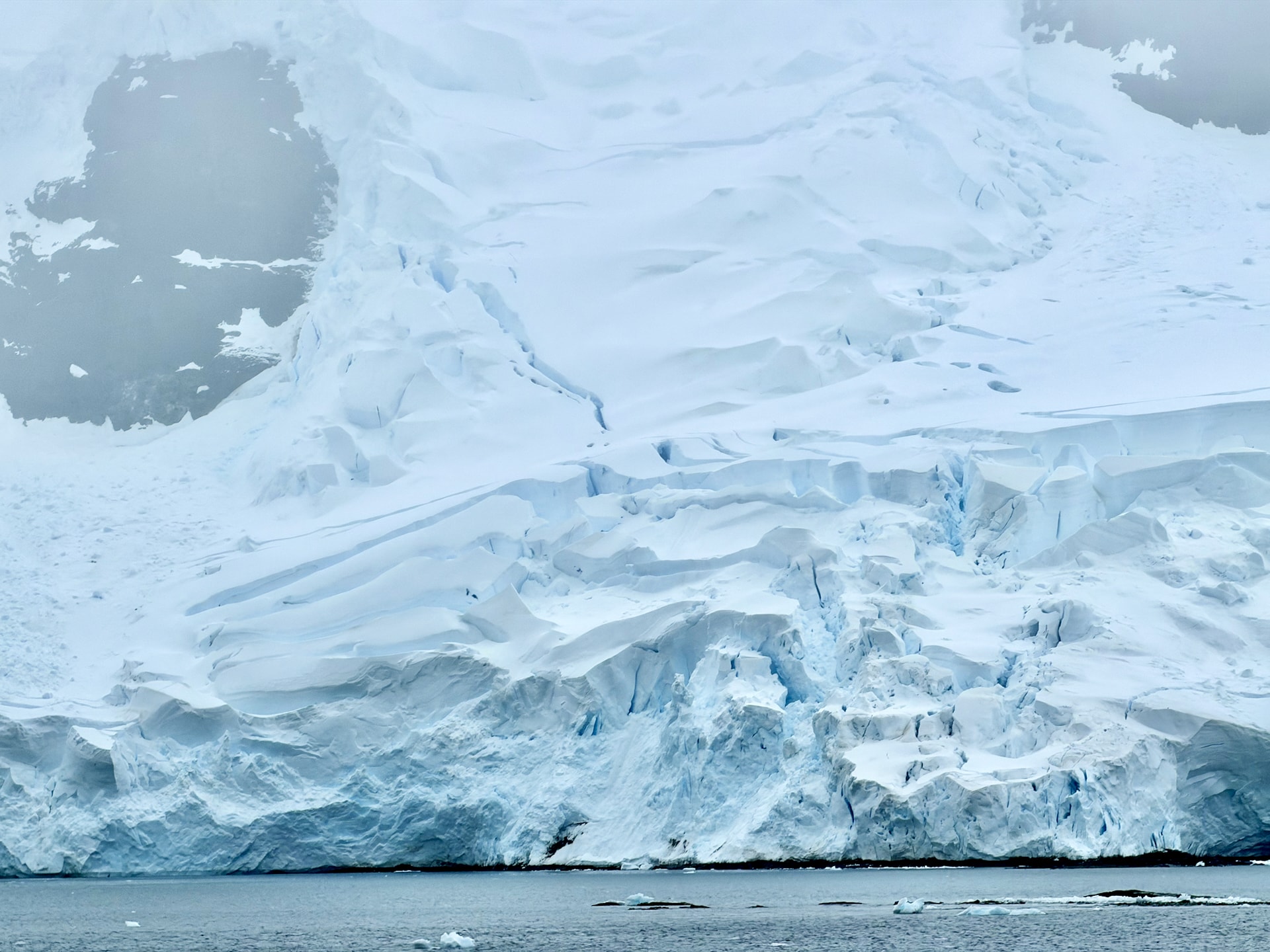
Months later, the most vivid moments still bring it back – the stillness, the scale, the animals in their absolute vulnerability.
What started as continent number seven became something I can’t quite put into words. But I’ll try: Antarctica made me care. Not about a checklist, but about a place and everything living in it.
Consider leaving your expectations at the gangway. We deliberately avoided watching Antarctic travel content before our trip, and we’re convinced this made the experience more powerful. Every moment was a genuine surprise rather than a scene we’d already watched on YouTube.
The Environmental Question: Should You Even Go?
This is the section I almost didn’t write, because the environmental cost of our trip is uncomfortable to face.
But here’s the honest accounting.
The Carbon Footprint of an Antarctic Expedition
Getting to Antarctica generates a significant amount of CO₂. Here’s a rough breakdown of our trip’s emissions per person, based on flight distance calculators and vessel fuel data:
| Source | CO₂ per person |
|---|---|
| Flights: Budapest – Buenos Aires (return via Istanbul) | ~5.6 tonnes |
| Flights: Buenos Aires – Ushuaia (return) | ~0.83 tonnes |
| 10-day expedition cruise | ~2 tonnes |
| Estimated total | ~8.4 tonnes |
To put that in perspective: the average European produces roughly 7 tonnes of CO₂ per year from all activities combined. The average American produces around 14 tonnes. Our Antarctic trip alone – just the transportation – generated more than an entire year’s worth of emissions for the average EU citizen.
Those are hard numbers to look at, especially after writing about how much the continent’s purity moved us.
What Antarctica’s Tourism Industry Gets Right
Here’s the other side of that equation, and it’s genuinely worth knowing.
Antarctic tourism is one of the most tightly regulated tourism industries on Earth, governed by the Antarctic Treaty System and managed in practice by the International Association of Antarctica Tour Operators (IAATO), founded in 1991. The rules are strict and enforced:
- No more than 100 visitors may be ashore at any given landing site at one time.
- Only one ship can visit a site at a time – there’s a coordinated scheduling system between operators.
- Ships carrying more than 500 passengers are prohibited from landing anyone – they’re cruise-only.
- A minimum guide-to-passenger ratio of 1:20 is mandatory during landings.
- Comprehensive biosecurity protocols are enforced before every landing: boot washing, gear decontamination, distance regulations from wildlife, prohibition on sitting or kneeling on the ground.
These are the operating conditions under which every IAATO member must function, backed by national legislation from the treaty’s signatory countries.
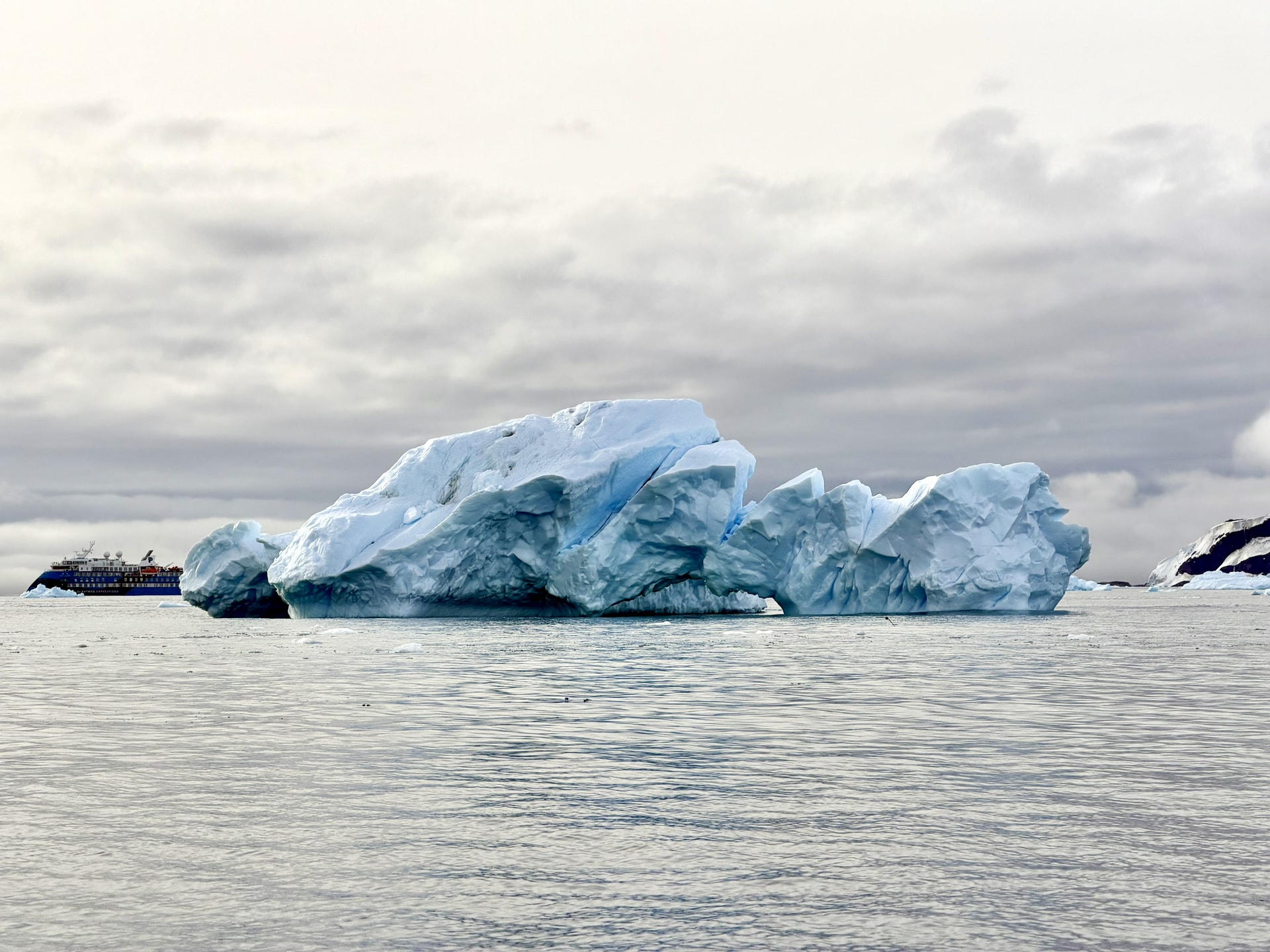
Our ship, the M/V Ocean Albatros, is part of a newer generation of expedition vessels designed with efficiency in mind. Its X-BOW hull design and Tier 3 diesel-electric engines reduce fuel consumption significantly – the operator claims a carbon footprint more than 50% lower than traditional expedition vessels. The ship produces its own freshwater by desalinating seawater and treats sewage on board before discharge. It runs on low-sulfur distillate fuel rather than the heavy fuel oil used by older vessels.
None of this erases the flight emissions. But it matters.
The Ambassador Argument
There’s a claim often made in Antarctic tourism circles: that the experience turns visitors into conservation ambassadors who carry the message home. This can sound like a convenient rationalization. But having lived it, I think there’s truth in it.
After returning, I gave a presentation at my workplace – not just the usual holiday photo slideshow, but an actual talk about what Antarctica is, why it matters, and what threatens it. The expedition team explicitly encouraged this, and it felt less like marketing and more like a genuine transfer of something important.
Does one workplace presentation offset 8.4 tonnes of CO₂? No. But an entire industry creating tens of thousands of ambassadors every season – over 118,000 visitors in the 2024 – 2025 season alone – might move the needle on public awareness in ways that are harder to quantify.
I also calculated my trip’s carbon footprint using sustainabletravel.org and donated the equivalent amount to Sea Shepherd’s Krill Defense campaign – an organization actively working to protect Antarctic krill populations from industrial supertrawlers operating in whale feeding grounds. It doesn’t erase the emissions, but directing money toward the specific ecosystem we’d just witnessed felt more meaningful than buying generic carbon credits.
This isn’t a clean moral equation. It’s a tradeoff, and the only honest thing to do is present both sides and let you weigh it for yourself.
If environmental impact is a deciding factor for you, look for expedition operators who are IAATO members and sail newer, more fuel-efficient vessels. The difference in emissions between a modern expedition ship and an older one is substantial. You can verify an operator’s IAATO membership on their official website.
Who Antarctica Is Worth It For
Not everyone will get out of this trip what we did. Here’s who we think will:
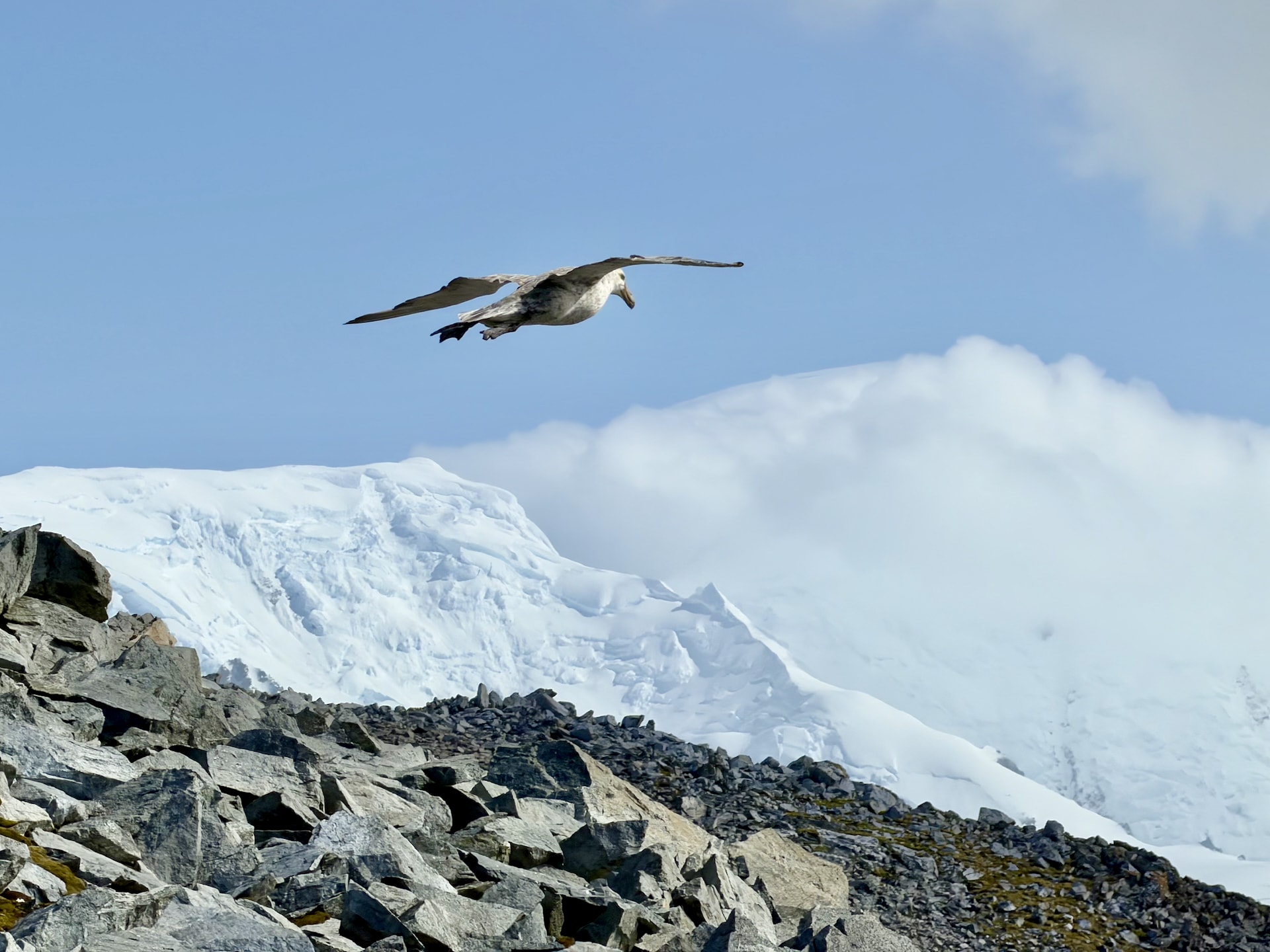
Travelers who are genuinely curious about the natural world. Not in a casual “I like nature” way, but in a “I want to sit quietly and watch a penguin build a nest for fifteen minutes” way. Antarctica rewards patience and attention. If your instinct is to take a quick photo and move on, you’ll miss the point.
People drawn to expedition-style travel. This is not a cruise in any conventional sense. You’ll wake up at 6:30 AM. You’ll get wet. You’ll get cold. You’ll spend hours in a rubber zodiac getting sprayed with icy water. The ship itself can be wonderfully comfortable – our experience on the Ocean Albatros was far more luxurious than we expected – but the landings are physical, weather-dependent, and unpredictable.
Travelers who can embrace unpredictability. Nature dictates the schedule. Landings get canceled. The camping excursion on our cruise was called off due to weather – everyone was refunded, but if that kind of thing ruins your trip, Antarctica will frustrate you. For us, even a canceled landing was part of the experience. The weather is part of the story.
People of all ages and travel styles. We were firmly in the middle of the age range on our ship. There were solo travelers in their twenties and passengers well into their eighties. Wendy, an Australian solo traveler over 80, was out on almost every landing. Andy, a British gentleman on a round-the-world solo trip, held court at the bar every evening – the kind of traveler who has a story for every topic and makes everyone around him feel welcome. I want to be like him when I’m seventy or eighty. If you’re worried about going solo, don’t be – cabin-sharing programs exist, and the expedition companies are thoughtful about matching people by age and compatibility.
One thing that surprised us: the community. Andrea and I are private people, and the idea of shared dining tables initially felt uncomfortable. But ten days on a ship with people who chose to spend a small fortune on the same experience creates a bond. You share zodiac groups, you share meals, you share moments that you’ll talk about for the rest of your lives. It doesn’t require being extroverted, it just happens.
Who Antarctica Is Probably Not Worth It For
Comfort-first travelers. If your idea of a holiday involves poolside lounging and predictable schedules, an Antarctic expedition will feel like an endurance test dressed up as a vacation.
People who can’t let go of canceled plans. The expedition leader can’t control the weather. If you’re the type to complain at breakfast that a specific cheese ran out – and yes, resupplying mid-ocean isn’t an option – this trip will generate more frustration than wonder.
Severe seasickness sufferers. The Drake Passage is the most infamous stretch of open water in the world for a reason. The ship’s stabilizers help, and modern medication is effective for most people, but if you truly cannot tolerate rough seas, the two days each way across the Drake could overshadow everything else. Fly-cruise options exist that skip the Drake in one or both directions, though they cost more and carry a larger environmental footprint.
Anyone who would go into debt for it. We saved for years to afford this trip. It was a significant financial commitment even with careful planning. If the cost would create real financial strain, it’s not worth the stress – hopefully Antarctica will still be there when the timing is right. Save up, plan ahead, and go when you can enjoy it without a cloud of financial anxiety hanging over every zodiac ride.
I’d like to say it’s also not for pure bucket-list checkers. But I was a bucket-list checker when I first planned to go, and Antarctica dismantled that mindset within days. So take this one with a grain of salt.
What We’d Do Differently
Honestly? Almost nothing.
The trip was perfect as it was. And I suspect most Antarctic trips are, because Antarctica itself is perfect – it doesn’t need optimization or better planning. Whatever happens down there is what was supposed to happen.
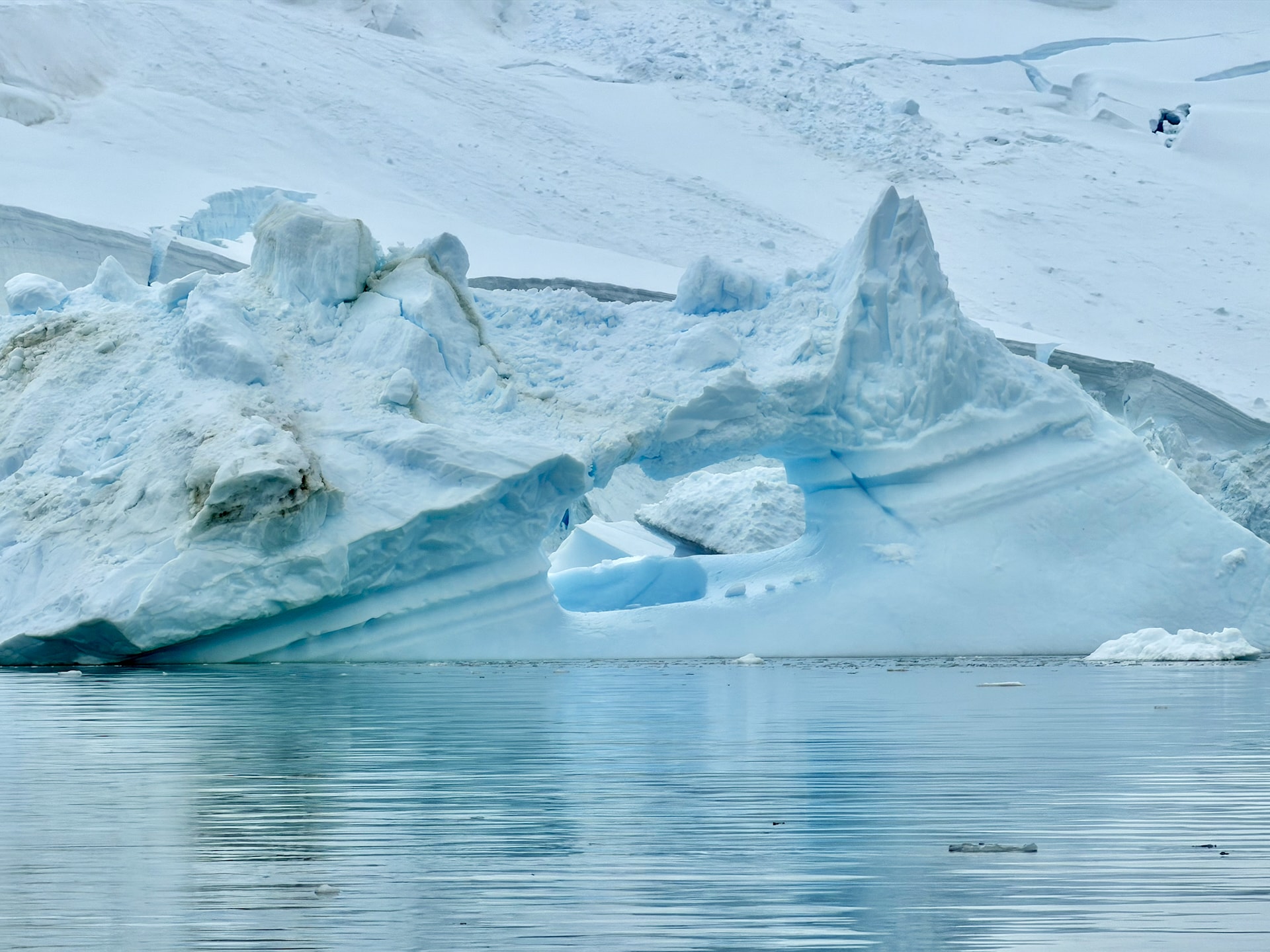
If we could change one thing, it would be the length. A ten-day Classic Antarctica Cruise covers the Antarctic Peninsula, which is extraordinary – but longer itineraries that include South Georgia and the Falkland Islands offer even more wildlife and an even deeper immersion. If the budget allows, go longer.
The other thing – and we’re genuinely undecided about this – is photos and video. We came back with more than 3,000 photos and almost 200 videos, which sounds like a lot until you start reliving the trip and realize how many moments slipped by undocumented. Some fellow passengers filmed nearly everything with 360-degree cameras, and part of us wishes we’d done the same. But the other part knows that some of our most powerful memories – a humpback surfacing beside the zodiac, the silence of a still afternoon on the continent – happened precisely because we weren’t looking through a lens. There’s a real tradeoff between documenting an experience and actually being inside it, and Antarctica is one of the few places on Earth where that tradeoff cuts deep.
Our Verdict: Was Antarctica Worth $12,000?
It was worth every dollar.
If someone told us tomorrow that a ship was leaving for Antarctica and offered us two spots at a steep discount, we’d pack our bags tonight. The desire to go back is immediate and physical – the budget to do so is not. Andrea and I started missing the continent before we even left Patagonia. Writing these articles months later, the longing hasn’t faded. If anything, going through our photos and notes has made it sharper.
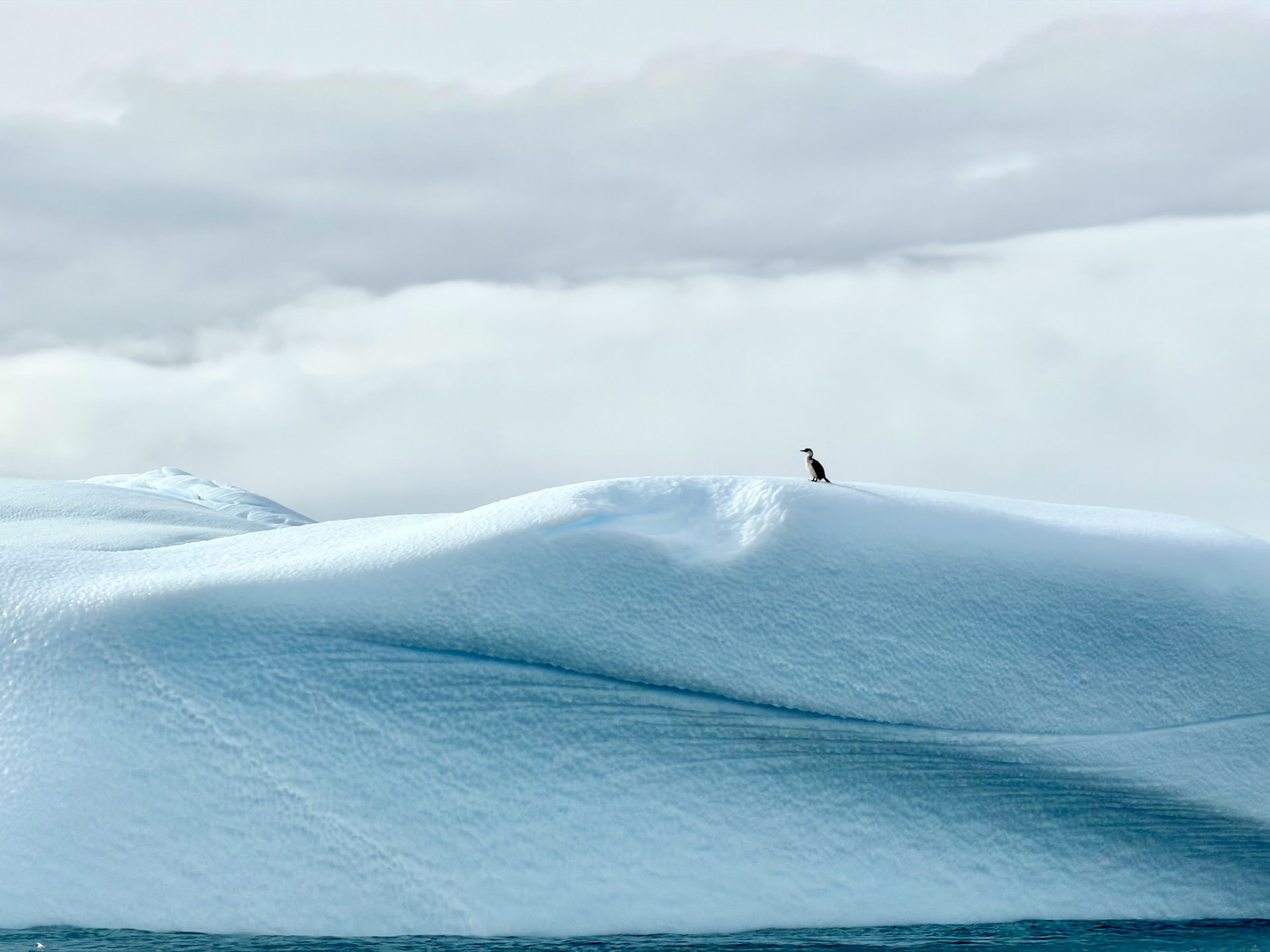
What makes it worth the money isn’t any single moment, though there are moments – whales breathing beside your zodiac, penguins investigating your boots, the vast silence of a landscape no human has marked – that would each justify the price on their own. It’s the cumulative weight of spending days in the last truly wild place on Earth, surrounded by animals that don’t know what fear of humans means, on a continent where nature hasn’t been compromised.
It’s also knowing that you came for a checkbox and left with something else entirely. A sense of responsibility. A sharpened awareness that this fragile, extraordinary place exists, and that it matters more than almost anything else on the planet.
We very much hope to go back someday. We hope it will be the same pristine, innocent place it was when we saw it. And we hope that anyone reading this who feels the pull finds a way to get there.
Was Antarctica worth it? It was worth far more than we paid.